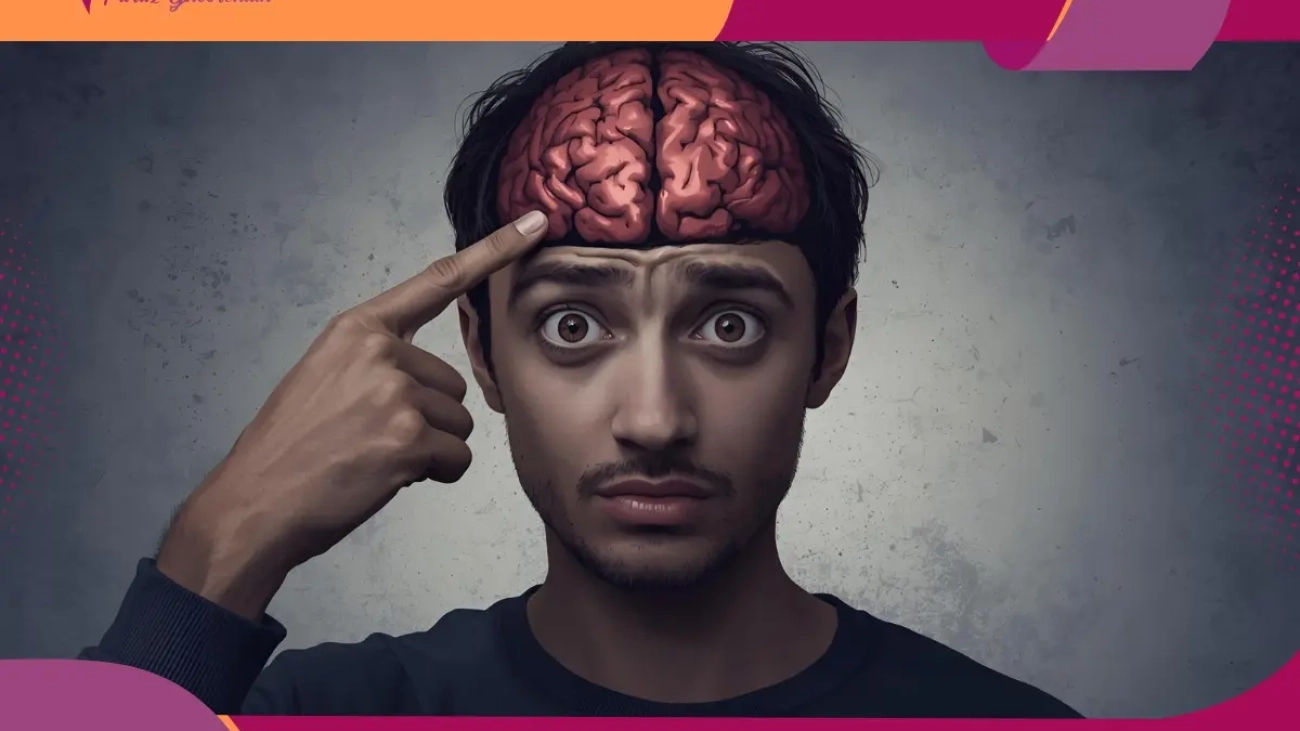
Porn and Depression; Why This Conversation Matters

Porn and Depression: What’s the Connection? The Hidden Impact on Mental Health

Discover the real connection between porn and depression. Explore effects on mental health, self-esteem, dopamine, loneliness, and how to start recovery.

Introduction: Porn and Depression; Why This Conversation Matters

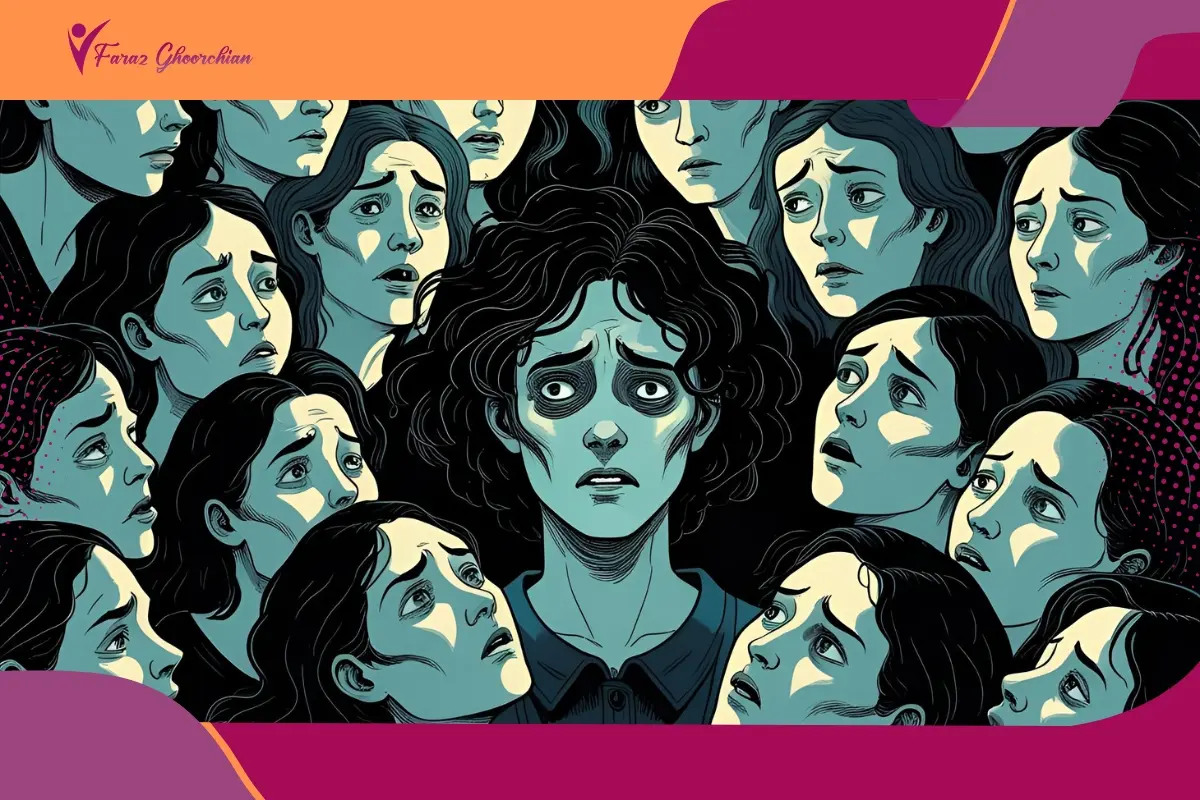
There’s a quiet moment that hits some people after closing their laptop, when the rush fades and a strange heaviness settles in. Why does watching porn sometimes leave people feeling emptier, not happier? That’s the real question behind Porn and Depression: What’s the Connection? For many, what started as curiosity has become something heavier, quietly shaping mental health and porn struggles in ways they never expected. It isn’t just about the obvious effects of pornography; it’s about how routines can wear down self-esteem, bring on anxiety, or spark that familiar wave of depression symptoms. This conversation matters because understanding the psychological impact of porn is the first step toward something better. Maybe even hope.

How Porn Affects the Brain: Dopamine, Mood, and More

How Porn Affects the Brain

Sometimes people wonder why that quick burst of pleasure from watching porn never seems to last. The answer starts with dopamine, that tiny chemical spark the brain sends out with every new video or click. Over time, the connection between dopamine and porn becomes more apparent. The brain gets used to those constant spikes, and ordinary things like music, food, or even seeing friends start to feel less exciting. It’s almost like chasing a thrill that’s always out of reach. The relationship between pornography and brain function plays a big role here, especially when it comes to motivation and mood. For many, this slow shift leads to bigger issues like sudden mood swings, a slump in energy, or that heavy feeling linked to depression symptoms. Even simple joys can lose their color. Over time, the constant chase can quietly feed into porn addiction or trigger what some call the numbing effects of pornography. That’s when the real psychological impact of porn shows up, making life feel flat and motivation harder to find. For some, healing begins when they explore The Spiritual Side of Quitting Porn, where deeper meaning starts to replace short-term highs.

Recognizing Depression Symptoms Linked to Porn Use

Recognizing when depression symptoms are linked to porn use isn’t always obvious at first. Some people might just feel tired for no clear reason, or catch themselves withdrawing from friends and family. They might lose interest in things that used to excite them, or notice that their sleep patterns have gone off track. For others, the connection between mental health and porn is buried under a quiet sadness or irritability that just won’t lift. Over time, repeated exposure can deepen these feelings, making it harder to break the cycle. It’s not uncommon to see changes in appetite, focus, or even self-worth, especially if someone is also battling porn addiction or feeling the psychological impact of porn. Some even report experiencing a phase of quit porn depression, where things feel worse before they get better. Being able to spot these signs early makes a real difference, opening the door to healing before things get heavier.

Compulsive Porn Use and Its Psychological Impact

Sometimes compulsive porn use sneaks up on people in ways they never expected. One man joked he’d just check a site “for a minute” to relax after work, but then two hours were gone. The pattern repeats and before long, what seemed harmless can start to reshape daily life. Suddenly, someone’s struggling to focus, snapping at people they care about, or wondering why old passions just don’t spark the same way. It’s hard to talk about the real psychological impact of porn, but it runs deep, especially when it’s tied to shame or secrets. As routines get more intense, some notice more pronounced mood swings and that familiar emptiness that’s hard to shake. This is where mental health and porn start to blur together. For some, it shows up as porn and motivation loss; for others, it becomes a quiet battle with self-worth. These aren’t just side effects; They’re real signs that porn addiction can dig into places most people never thought it could reach.

Porn, Self-Esteem, and the Cycle of Loneliness

For a lot of people, the link between porn and self-esteem isn’t always clear until they look back and realize how things have changed. Maybe it starts with a quiet sense of not measuring up after watching porn, or a nagging guilt that just lingers. Over time, these feelings can chip away at someone’s confidence. It’s not unusual for those struggling with porn addiction to notice they’re spending less time with friends and more time alone. This pattern of social isolation and porn can turn into a tough cycle. The more someone withdraws, the lonelier they feel, and the more likely they are to go back to old habits for comfort. The link between porn and loneliness runs deep, often reinforcing feelings of disconnection that are hard to shake. The emotional effects of porn are complicated, but isolation and shame often travel together. Building up self-worth takes time, and recognizing how deeply these habits can shape a person’s inner world is a powerful step toward breaking the cycle.

Anxiety, Pornography, and Mood Swings

Some people swear pornography helps them unwind after a tough day, but the truth isn’t always so simple. For someone stuck in the cycle, those brief moments of relief can quickly twist into an unsettled feeling, like anxiety creeping in for no obvious reason. One guy admitted he’d start off looking to escape stress, but then end up even more on edge, snapping at people or losing focus at work. Why does something that’s supposed to help leave you feeling worse? It’s often the hidden psychological impact of porn. Porn use and mood swings often go hand in hand, popping up out of nowhere until even small things feel overwhelming. The whole pattern quietly messes with mental health and porn only makes it harder to figure out what’s really going on. Recognizing the link between anxiety and pornography is the first step to breaking free.

The Emotional Effects of Porn: Motivation Loss and Social Isolation
social isolation and porn

It’s strange how quickly porn use can chip away at a person’s drive without them even realizing. One guy mentioned skipping his best friend’s birthday two years in a row. He couldn’t explain why. He just didn’t feel up for it. That’s how these patterns sneak in. You might notice:

  • Not caring about hobbies or projects that used to light you up, a slow loss of motivation
  • Finding excuses to stay home and sinking deeper into social isolation and porn routines
  • Feeling like you’re watching your own life from the outside, numb to it all, which shows the real psychological impact of porn
  • Not wanting to talk about any of this because you’re not sure anyone would get it

The emotional effects of porn and these kinds of bad habits rarely hit all at once. But once you notice, it’s hard to ignore.

Sexual Dysfunction, Depression, and the Effects of Pornography

It catches some people off guard. One guy said he stopped dating altogether. He just didn’t trust his own body anymore. The link between sexual dysfunction and porn runs deeper than most realize. It isn’t just nerves before intimacy or a rough day. For many, heavy porn use rewires what arousal means, and suddenly real connection feels out of reach. That hollow, awkward feeling can drag anyone down, especially if they’re already battling depression symptoms. The effects of pornography on the mind and body can spiral into porn-induced depression, leaving people feeling alone and confused. The truth is, this stuff is way more common than most would admit. Learning about the psychological impact of porn makes it feel a little less overwhelming. And often, the effects of quitting porn slowly bring back what was missing, like confidence, hope, and honest connection.

Therapy and Mental Health Recovery: Real Steps Forward

porn and motivation loss

Figuring out mental health recovery after porn addiction can be awkward, messy, and anything but straightforward. One person admitted he started writing in his notes app at 2 a.m., just dumping feelings with no filter. It wasn’t poetic, but it helped. That’s what real progress can look like. A few steps people have tried:

  • Booking a first session for therapy for porn addiction even when it feels nerve-wracking
  • Finding a group chat or online space where you don’t have to explain the psychological impact of porn
  • Trying new routines, like putting the phone in another room at night to break up compulsive porn use and limit mood swings
  • Just journaling for five minutes, even if the sentences barely make sense
  • Letting a friend know when a rough patch hits, even if it’s just a one-line text

It’s slow. Sometimes painfully slow. But with each honest move, life and mental health and porn start to feel a little lighter, a little more manageable.

Conclusion: The Spiritual Side of Quitting Porn & Moving Toward Healing

Some nights, it just feels empty, no matter how many tabs are open or how many promises have been made to quit for good. One man said quitting felt like peeling off a fake layer he didn’t even realize was there. Scary, but a relief too. That’s the real spiritual side of quitting porn. Healing doesn’t always feel holy or dramatic. Sometimes it’s just a slow return of hope, or even just a little less heaviness in the chest. For those wrestling with porn and depression or living with compulsive porn use, progress shows up in small, honest moments. It’s not perfect. But even in the mess, each step toward freedom and better mental health and porn is worth celebrating.

Porn Addiction Recovery Timeline

Porn Addiction Recovery Timeline: What to Expect

Discover the porn addiction recovery timeline, stages, withdrawal effects, relapse tips, and proven recovery tools.

Introduction

The idea of a porn addiction recovery timeline can sound both intimidating and oddly comforting to someone just starting out. For most, it is not a straight path. There are unpredictable ups and downs, and sometimes the hardest part is not knowing what comes next. Some people might notice the physical signs of porn addiction withdrawal almost right away, while others struggle more with the unexpected waves of emotion. There is no single answer to the question, “How long does porn addiction recovery take?” What actually unfolds is a gradual shift, moments of doubt, bursts of clarity, and slowly a sense of rebuilding self-worth after porn addiction. This guide aims to lay out those stages honestly so readers can see where they are headed and what is truly possible.

Understanding the Porn Addiction Recovery Timeline

Most people don’t expect the porn addiction recovery timeline to feel so unpredictable, but that’s exactly what makes it a challenge. One day, the emotional effects of porn withdrawal can hit like a wave; the next, it’s the sudden return of cravings or sleepless nights that catches them off guard. While experts talk about the stages of porn addiction recovery, real life rarely follows a neat pattern. Some notice the physical signs of porn addiction withdrawal almost right away, like restlessness or headaches, while others are surprised by how much their mood can swing. Asking “How long does porn addiction recovery take?” isn’t about finding a precise number, but about preparing for the unexpected. Each person’s timeline has its own mix of setbacks and breakthroughs, with moments where brain rewiring during porn recovery feels both slow and strangely hopeful.

Stages of Porn Addiction Recovery: A Roadmap

stages of porn addiction recovery

No one wakes up thinking they are about to start the porn addiction recovery timeline, but for those who do, the road ahead is rarely predictable. The experience is messy, frustrating, and sometimes strangely hopeful. Most people end up moving through certain stages of porn addiction recovery, though the timing and intensity can surprise them. Here is what those phases often look like:

  • Waking Up: Sometimes it starts with a rough morning, a wave of guilt, or noticing the emotional effects of porn withdrawal for the first time. It is that quiet moment of realizing something needs to change.
  • White-Knuckle Days: Early weeks can be all about battling the physical signs of porn addiction withdrawal. Restlessness, odd dreams, irritability, these come and go without warning.
  • Finding Footing: Slowly, there are signs of brain rewiring during porn recovery. Triggers still show up, but it gets a bit easier to pause and make better choices.
  • Moving Forward: In time, rebuilding self-worth after porn addiction becomes possible. It is about collecting small wins, learning from slip-ups, and seeing that progress is never just a straight line.

The First Weeks: Porn Addiction Withdrawal Timeline & Early Signs

The first stretch of the porn addiction recovery timeline can catch people off guard, even if they think they are prepared. Nothing feels quite the same. One day might be fine, the next could be a mess of feelings and restless energy. The early stages of porn addiction recovery are full of surprises, but a few things seem to pop up for almost everyone:

  • Sleep feels off, with either restless nights or waking up tired and irritable
  • Cravings for old routines come out of nowhere, sometimes right after a stressful day
  • Mood swings or a strange sense of emptiness set in, making it hard to focus
  • The physical signs of porn addiction withdrawal show up in odd ways like headaches or muscle tension
  • Some notice the emotional effects of porn withdrawal quickly, including anxiety or even a hollow kind of sadness

Recognizing these early signs makes it easier to see that this struggle is part of real change.

Physical Signs of Porn Addiction Withdrawal

People often don’t expect the body to react so strongly at the start of the porn addiction recovery timeline, but it can be surprising how much physical discomfort shows up. In the early stages of porn addiction recovery, these changes have a way of showing up out of the blue:

  • Random headaches, sometimes sharp, sometimes just a dull ache that lingers
  • Muscles feel tense for no clear reason, especially in the neck and shoulders
  • Waves of tiredness hit, even on days with plenty of sleep
  • Restless energy in the legs or hands, almost like it’s hard to get comfortable
  • Stomach feels off, with weird appetite swings or unexpected nausea

These physical signs of porn addiction withdrawal can make it tempting to give up, but each one is actually a quiet sign that the brain and body are adjusting and starting to heal.

Emotional Effects of Porn Withdrawal & Brain Rewiring

healthy habits to replace porn use

Few people are truly prepared for how bumpy the mind can get on the porn addiction recovery timeline. In the early stages of porn addiction recovery, it’s often not the cravings that catch someone off guard, but the sudden emotional swings that can make everything feel off-kilter. The process of brain rewiring during porn recovery isn’t just science talk; it’s something you feel in real time:

  • Out of nowhere, a normal day can tilt into frustration or sadness, and there’s not always an obvious trigger
  • Little annoyances might spark big reactions, leaving some to wonder if they are really making progress
  • Joy feels muted, replaced with this gray sense of emptiness, while old guilt sometimes comes flooding back
  • Even the physical signs of porn addiction withdrawal can mix with these feelings, making restlessness hard to separate from anxiety
  • Then, just as suddenly, there are flashes of hope, clarity, or even pride, showing that deep change is taking root

It is messy, unpredictable, and sometimes deeply uncomfortable, but every wave is a real sign that the brain is learning new ways to cope and connect.

30 Day Porn Recovery Results: Early Wins & Setbacks

Reaching the thirty-day mark on the porn addiction recovery timeline feels like crossing an invisible line, but the reality is usually a mix of progress and growing pains. In these first few weeks, the stages of porn addiction recovery are rarely neat. Some days bring small victories, like better sleep or the return of real motivation. For many, the physical signs of porn addiction withdrawal have started to fade, yet cravings can still pop up during moments of stress. Early brain rewiring during porn recovery can spark a bit more emotional stability, but setbacks are common. Some notice a dip in confidence or fall back into old bad habits without warning. Others begin experimenting with healthy habits to replace porn use such as exercise, new hobbies, or social connections. These efforts often build a stronger sense of self-worth and hint at real change, even if the process is far from perfect.

90 Day Porn Recovery Challenge: Major Changes & Brain Rewiring

Hitting the ninety-day mark on the porn addiction recovery timeline rarely feels like some Hollywood moment, but looking back, the changes are real. The so-called 90 day porn recovery challenge becomes less about counting days and more about noticing how everyday life is different. By this stage, people often describe the experience of brain rewiring during porn recovery in simple terms: the old urge is not as loud, focus is sharper, and those emotional ups and downs finally start to settle. Some find that new routines like exercise or creative hobbies come more naturally, while others still wrestle with common triggers for porn addiction such as stress, loneliness, or scrolling late at night. It is common to spot porn addiction relapse warning signs here too, especially during a rough week. Many start leaning on apps for porn addiction recovery or experiment with porn blockers and filters to keep themselves honest. By now, there is often a quiet confidence that freedom really is possible, even if life is still far from perfect.

1 Year Porn Free Benefits: Long-Term Transformation

Spending a full year away from porn brings changes that are sometimes hard to describe until they’re actually felt. The porn addiction recovery timeline doesn’t prepare anyone for just how much life can shift. By the time the 1 year porn free benefits start to show up, the changes are woven into the fabric of daily life:

  • A real sense of mental sharpness comes back, like remembering what clear focus feels like after years of brain fog
  • Those heavy feelings of shame are replaced with small, steady bursts of self-respect
  • Conversations and relationships take on new honesty, often leading to deeper connections
  • Motivation sticks around longer, and the exercise benefits in porn recovery can be seen in energy and even sleep quality
  • Over time, accountability in porn addiction recovery becomes almost second nature, more like a trusted friend than a rule to follow

There is no finish line, but the freedom and strength that come after a year often feel more real than anyone imagined at the start.

Handling Relapse: Triggers, Warning Signs, and Recovery Tools

accountability in porn addiction recovery

Anyone who has spent time on the porn addiction recovery timeline knows that relapse is not a failure but a sign that something needs attention. Sometimes, the porn addiction relapse warning signs show up quietly. A few skipped routines, an old urge sneaking in at the end of a rough day, or a wave of stress can catch someone off guard. Everyone has common triggers for porn addiction that look a little different, but patterns usually start to reveal themselves. For many, the real growth is learning to notice these moments before they spiral.

  • A sudden return to secrecy or hiding screen time
  • Old feelings of shame or anxiety cropping up for no clear reason
  • Stress, loneliness, or boredom making the idea of a quick escape more appealing
  • Slipping back into routines that were part of the addiction before
  • Ignoring the need for accountability in porn addiction recovery or skipping check-ins with support groups for porn addiction recovery

Having a plan for how to handle relapse during recovery makes all the difference. Some people reach out to a trusted friend, while others book a session for therapy for porn addiction or start using cognitive behavioral therapy for porn addiction to reframe setbacks. Extra layers of support, like porn blockers and filters or simple apps for porn addiction recovery, help to make acting on urges less automatic. Real recovery is not about never stumbling. It is about always finding the way back, even after a tough day.

Rebuilding Self-Worth After Porn Addiction: Healthy Habits, Therapy, and Support

For a lot of people moving along the porn addiction recovery timeline, building back confidence can feel like learning to walk again after years of crawling. There is no single answer to rebuilding self-worth after porn addiction because everyone brings their own baggage and bruises. What helps most is stringing together a bunch of small, good choices. It might mean showing up at the gym even when energy is low, or reaching out to support groups for porn addiction recovery just to hear a real voice on a rough night. Many find strength through accountability in porn addiction recovery, whether it is checking in with a friend or marking progress in an app. Honest conversations in therapy for porn addiction or trying cognitive behavioral therapy for porn addiction can break the old shame cycle. Over time, even simple apps for porn addiction recovery can feel like a lifeline. The truth is, every act of self-care chips away at doubt and slowly answers the question, Does Watching Porn Lower Your Self-Esteem? Bit by bit, people realize they are worth showing up for.

Conclusion: What to Expect and How to Succeed

If there’s one truth about the porn addiction recovery timeline, it is that nobody’s path is simple or predictable. The stages of porn addiction recovery sometimes feel endless and other times pass in a blur. One day brings a sense of victory, while the next might stir up old doubts or triggers. Most people are surprised by how slow and uneven real progress can be, but those stubborn efforts pay off. The effects of quitting porn begin to add up, sometimes quietly, through small moments of self-respect and clarity. With time, those moments stack up and rebuilding self-worth after porn addiction starts to feel less like a goal and more like a fact of life. What matters most is sticking with it, no matter how many ups and downs there are along the way.

how to use journaling to quit porn

Journaling Your Way to Freedom: A Realistic Guide to Quitting Porn

Discover how to use journaling to quit porn, break habits, boost mental health, and find lasting motivation. Practical prompts, apps, and real recovery tips inside.

Introduction: Why Journaling Works for Porn Recovery

There’s something different about putting thoughts on paper when it comes to how to use journaling to quit porn. For most people, it isn’t about writing the perfect diary entry; it’s just an honest space to figure out what’s really going on. Instead of letting feelings and habits pile up in the background, journaling lets someone see patterns they might miss in everyday life. People trying journaling techniques to quit porn often say that tracking ups and downs or simply jotting down urges helps take the mystery out of recovery. Over time, these simple notes add up, turning confusion into real self-reflection. By writing out goals or admitting struggles, individuals naturally begin to shift their routines. Many find that journaling for goal setting to quit porn gives their recovery more structure and intention, helping them stay focused even when motivation fades. It’s a tool that grows with each entry, creating space for hope, patience, and gradual change.

The Science Behind Journaling: How Writing Rewires Habits

therapeutic journaling techniques to quit porn

Ask anyone who has seriously tried how to use journaling to quit porn and you’ll usually hear stories about scribbled notebooks and surprising self-discoveries. There’s real science behind this. When people stick to journaling techniques to quit porn, their minds start connecting the dots between triggers, emotions, and choices. Instead of just reacting, they’re actually able to pause and spot old routines as they’re happening. That’s where using journaling to break porn addiction habits comes alive: the simple act of writing slows things down and brings patterns into focus. Over time, many begin to see how closely porn use is tied to stress, avoidance, or other bad habits that have gone unnoticed. Sometimes, a few honest lines are all it takes to realize what set off an urge. Many find that therapeutic journaling techniques to quit porn help them reflect in ways that just thinking can’t. It’s not magic, but for most, regular writing really does help rewire old habits over time.

Getting Started: Best Writing Styles for Quitting Porn Journaling

Getting started with how to use journaling to quit porn can honestly feel awkward at first, but there’s no single right way to do it. Some people like scribbling whatever pops into their mind, even if it doesn’t make sense at the time. Others stick with quick lists or jot down a few words about their day. For many, the best writing styles for quitting porn journaling end up being the ones that feel least forced. Sometimes, a paragraph about an especially tough day or just a single sentence opens the door to self-reflection journaling for porn recovery. Trying out a mix of approaches such as bullet points, short stories, or tracking habits lets each person figure out which journaling techniques to quit porn actually stick. What matters is that it’s honest and becomes a habit, not that it’s perfect.

Daily Journaling Prompts to Quit Porn

Coming up with fresh ideas every day can feel like a chore, especially when someone is new to how to use journaling to quit porn. Still, a good prompt can really change things. Sometimes, all it takes is a question like, “When did I first notice an urge today?” or, “What was I really feeling when the craving showed up?” Simple but real, these daily journaling prompts to quit porn help people start noticing their own patterns and triggers. Some days, writing honestly about a setback is just as valuable as jotting down a win. For a lot of folks, mixing in a few practical questions such as, “What small thing did I do differently today?” or, “How do I want to respond next time?” encourages genuine self-reflection journaling for porn recovery. These routines not only support journaling techniques to quit porn, but also keep the process from feeling stale. Over time, this habit becomes less about the struggle and more about seeing growth, one page at a time.

Using Journaling to Break Porn Addiction Habits and Identify Triggers

journaling to increase emotional awareness quitting porn

Anyone who’s tried to break a stubborn habit knows just how slippery patterns can be. That’s where learning how to use journaling to quit porn really comes alive. There’s something about jotting down what happened right before an urge hits, or scribbling out what the day felt like, that shines a light on things that would otherwise slip by unnoticed. Instead of just hoping bad habits will fade, writing each day gives people the chance to actually see them in action. Over time, those pages start to reveal real triggers. Maybe it’s always late at night, or maybe it’s after an argument or a rough day at work. Noticing these patterns makes it possible to plan a different response. This is the heart of journaling techniques to quit porn and why journaling to identify and overcome porn triggers is so valuable. Many people find that tracking these moments gives clarity they never expected. Sometimes, the first real effects of quitting porn become noticeable in this process, bringing more control, a clearer head, and a growing sense that change is truly possible.

Journaling for Stress Relief and Emotional Awareness

For a lot of people, quitting porn brings up more stress and strange emotions than they ever expected. This is exactly why learning how to use journaling to quit porn can feel like a lifeline, especially on the rough days. Sometimes, just grabbing a notebook in the middle of a tough moment lets someone catch what they’re really feeling instead of bottling it up. Using journaling for stress relief during porn quitting is less about writing perfectly and more about letting out whatever’s inside, whether it’s worry, frustration, or just plain overwhelm. Over time, it gets easier to spot which feelings show up before cravings hit. That’s where journaling to increase emotional awareness quitting porn quietly works in the background. Many people are surprised to find that the simple act of writing about stress actually helps them handle it, little by little. The mental health benefits of journaling to quit porn often show up in small but powerful ways, like better focus, calmer reactions, and a stronger sense of control.

Accountability and Support: Journaling for Progress and Group Sharing

One thing that catches a lot of people off guard about quitting porn is just how tough it feels to stay accountable, especially on your own. Learning how to use journaling to quit porn gives people something solid to look back on when motivation dips or self-doubt creeps in. It’s not always easy to admit slip-ups or celebrate small victories, but writing them down somehow makes it real. Many find that journaling as an accountability tool quitting porn brings a kind of honesty you can’t always get just by thinking about things. For some, leaning into motivational journaling for quitting porn helps shift the focus toward progress, purpose, and personal growth rather than just avoiding mistakes. What’s even more powerful is sharing those journal entries, even in part, with a support group. That could be an online community, a few trusted friends, or a recovery meeting. With journaling to share progress in quit porn support groups, there’s suddenly a sense of connection, like others genuinely get it. Sometimes a single shared story or regular check-in based on journal notes is enough to spark hope and keep someone moving forward, even on the hardest days.

Tracking Progress and Preventing Relapse with Journaling

Keeping track of small wins and setbacks is one of the most underrated parts of recovery. For people figuring out how to use journaling to quit porn, simply looking back through past entries can be surprisingly motivating. Noticing patterns in moods, triggers, and even the times when things felt easier, helps make progress feel real. Using journaling to track progress quitting porn turns abstract effort into something visible, especially during weeks when change feels slow. Writing about victories, no matter how minor, reminds individuals how far they’ve come.

Relapse is a common concern, but regular entries can help spot warning signs before they become full-blown setbacks. Many use journaling to prevent relapse quitting porn as a kind of early alert system. By noting stressors, risky situations, or familiar thought patterns, it becomes easier to pause and make different choices. Honest self-reflection, even when it’s uncomfortable, gives people the power to break out of shame cycles and keep moving forward. This is at the heart of Porn and Shame: Breaking the Cycle.

Tools and Apps: Making Journaling Practical and Sustainable

best journaling apps to quit porn

For a lot of people figuring out how to use journaling to quit porn, finding the right setup is half the battle. Not everyone loves the same approach, so it helps to experiment and see what sticks. Some folks swear by old-school notebooks, but plenty turn to digital tools that make daily writing a little less of a chore. Here are a few things people actually use:

  • Trying out the best journaling apps to quit porn can help. Day One and Journey are popular because they’re private, easy to search, and even send reminders when you forget.
  • For those who want more structure, using therapeutic journaling techniques to quit porn such as guided prompts or mood trackers can make sessions feel more approachable.
  • Simple alerts or alarms often keep journaling techniques to quit porn from slipping your mind.

Whatever the tool, it’s all about building a habit you’ll actually want to keep up for the long run.

Overcoming Challenges and Celebrating Recovery Stories

Anyone who’s tried how to use journaling to quit porn for more than a few weeks knows there are rough patches. Some days, the page stays blank or writing feels like just one more thing to mess up. But even stumbling through overcoming challenges in journaling to quit porn can teach a lot. Sometimes switching up journaling techniques to quit porn, maybe by trying new prompts or just scribbling a sentence or two, makes a difference. The real turning point often comes from looking back. Reading old struggles and realizing they don’t sting as much or noticing that there’s been actual progress can be encouraging. Seeing those small wins adds up over time, especially when you hear about real journaling recovery stories quit porn from others. In the end, these messy, honest efforts reveal the true long-term benefits of journaling to quit porn which include more hope, more self-respect, and a real sense of moving forward.

Conclusion: Building a Lifelong Habit of Mindful Journaling

Building a habit of how to use journaling to quit porn is really about learning to pay attention to yourself in a new way. Some days, writing feels easy. Other days, it’s tough to find the words or the energy, and that’s perfectly normal. Over time, though, these small efforts start to add up. With regular mindfulness journaling to quit porn, most people notice they catch their patterns sooner and react with a little more patience. This kind of writing is less about perfection and more about simply showing up. Even short, honest entries help make recovery real and keep progress moving forward, one small step at a time.

Porn and Shame

Porn and Shame: Breaking the Cycle

Break the cycle of porn and shame with real stories, expert advice, and practical steps for healing, self-esteem, and recovery.

Introduction: Why Addressing Porn and Shame Matters

overcoming shame after porn addiction

Few things weigh as heavily as porn and shame, yet these struggles are rarely talked about openly. Shame lingers in private moments, making people question their worth or retreat from those they love. It’s not just a feeling. It’s something that shapes how a person sees themselves and others. The emotional effects of porn shame can show up as late-night anxiety or a quiet fear of being “found out.” For some, even recognizing porn addiction and shame is a huge step, let alone talking about it. Yet, stories of overcoming shame after porn addiction are proof that change is possible. Facing these emotions head-on isn’t easy, but it’s the real starting point for anyone ready to break free and rebuild honest, healthy connections.

Understanding Porn Addiction and Shame

Trying to make sense of porn addiction and shame can feel like untangling a knot you didn’t even realize was there. Shame goes way deeper than just feeling bad after watching something online. It sneaks up in quiet moments, telling someone they’re not good enough or that they’re somehow broken. The difference between porn shame and guilt is easy to miss until you really sit with those feelings. Guilt says you did something wrong, but shame hits at the core of who you are. What’s tough is how easily porn addiction shame and anxiety can fuel each other, reinforcing patterns and keeping someone stuck in bad habits that feel impossible to break. Some don’t even notice how trapped they are until everything else in life feels heavy. Seeing that cycle is messy, but it’s the first real step toward change.

Emotional Effects of Porn Shame

social stigma around porn use and shame

The truth about the emotional effects of porn shame is that they don’t just fade in the background. It’s almost like carrying around a secret that quietly colors every part of life. People dealing with this often struggle with low self-esteem in ways that sneak up on them. For some, the weight shows up in everyday moments:

  • Feeling anxious or on edge long after the screen is off
  • Catching themselves second-guessing their worth or avoiding eye contact
  • Wanting to pull away from people they care about
  • Small things suddenly triggering a flood of regret
  • Even simple social plans start to feel overwhelming

All of this is exhausting, and it can leave someone feeling alone. But naming these effects is a powerful start to breaking the cycle.

Social Stigma and Cultural Views

Talk to anyone who’s grown up in a community where the social stigma around porn use and shame runs deep, and you’ll hear the same story: people keep their struggles quiet, sometimes for years. In some families, even mentioning the topic is off-limits, let alone asking for therapy for porn shame or guidance. The silence isn’t just awkward; it can feel suffocating. Different cultures have their own way of handling this subject, but harsh cultural views on porn shame often teach people that they’re “broken” or alone for feeling this way. The idea of educating about healthy porn consumption is almost laughable in places where the entire conversation gets shut down. This leaves people in the dark, guessing and hoping no one finds out. The more open and honest we are, the less power stigma holds, and the easier it becomes for someone to take the first real step toward healing.

How Porn Shame Affects Relationships and Family

Porn shame affecting intimate relationships often doesn’t look dramatic at first. Maybe it’s just a skipped conversation here and there. Someone glances away during dinner, or laughter between partners feels thinner than before. Over time, though, the silence grows. The emotional effects of porn shame work their way into daily life, sometimes showing up as little things: a partner hesitates before reaching out, or someone leaves the house early just to avoid tension. The porn shame effects on family dynamics can feel like walking on eggshells, with everyone sensing something is off but not sure what to say. It’s easy for porn shame and low self-esteem to build up quietly, making it even harder to ask for help or consider therapy for porn shame. And then one day, it’s just quiet. Too quiet. Naming the shame together can finally open the door to real connection again.

Personal Stories: Breaking Free from Porn Shame

When James, a teacher in his thirties, first heard other personal stories of overcoming porn shame, he was sitting alone in his car after work, scrolling through posts on his phone. Someone else had written, “Honestly, just saying it out loud for the first time? That changed everything.” For James, the real effects of quitting porn weren’t just about feeling less distracted; it was sitting with that raw, shaky relief of not hiding anymore. Overcoming shame after porn addiction wasn’t neat. There were relapses, tense family talks, awkward support group meetings, and more than one sleepless night spent second-guessing himself. Still, listening to these stories gave him hope. He realized that porn shame and low self-esteem had kept him quiet for years, but connection and small wins really do add up, slowly turning shame into strength.

Therapy, Support, and Professional Help

Starting therapy for porn shame is rarely easy. Michael, for example, said it took him three sessions just to say the word “porn” out loud. There’s a real vulnerability in facing porn addiction shame and anxiety with someone else in the room, even a professional. The awkwardness is normal. For a lot of people, the hardest part is figuring out the difference between porn shame and guilt, and a therapist can help sort through those layers without judgment. Outside of individual therapy, joining support groups for porn shame recovery can be a turning point. Sitting in a circle, hearing strangers talk about relapses and small victories, it hits you: nobody’s really alone in this. Some find peace through spiritual approaches to overcoming porn shame too, whether it’s prayer, meditation, or community with others who share their beliefs. Not everyone knows how to find professional help for porn shame right away, and honestly, some trial and error is normal. Sometimes it’s a counselor. Sometimes it’s a group. Sometimes it’s both. What matters is showing up, even if it feels awkward at first, and giving yourself a real shot at healing.

Mindfulness, Spiritual, and Healthy Coping Techniques

healthy coping mechanisms for porn shame

Learning how to cope takes real practice, and it’s rarely as simple as it sounds in self-help books. For some, mindfulness techniques to reduce porn shame start with just sitting quietly, trying to name what’s really going on inside. It’s not always easy to stay with those feelings, but even five quiet minutes can help soften the storm. People often talk about how spiritual approaches to overcoming porn shame give them a sense of comfort or belonging they’d missed. Lighting a candle before a prayer, or just taking a long walk and talking to the sky, becomes a kind of anchor. Others find healthy coping mechanisms for porn shame in the smallest routines:

  • Writing out a rough day in a journal, even if the words don’t come easy
  • Calling a friend who really listens, instead of hiding away
  • Getting lost in a new recipe or volunteering, just to feel useful for a while
  • Joining a group, even when the first meeting feels awkward

No single technique works for everyone. But trying a mix with honesty and patience can slowly make room for healing.

Differences in Porn Shame: Gender and Age

Porn shame differences in men and women can be stark, but often misunderstood. Men bottle it up, maybe crack a joke, but rarely admit how heavy shame can get. Women, on the other hand, often blame themselves or carry guilt that started long before adulthood. A teenage girl in a health class once said, “I thought I was the only one who felt gross about it.” That moment stayed with her teacher, who realized just how important educating about porn shame in schools really is. Age matters too. An older adult might carry years of secrecy, while a younger person feels pressure to keep up a perfect image online. Across ages and genders, it’s like carrying around a secret you were never supposed to say out loud. Naming these differences makes real support possible.

Breaking the Cycle: Practical Steps and Takeaways

Honestly, how to break the cycle of porn shame isn’t something you can figure out in one afternoon. For one person, it started with scribbling a note to themselves: “This doesn’t define me.” Some days went backward, but the little wins mattered most. Here are a few things people have tried that really helped:

  • Noticing patterns without judgment, even if it feels awkward at first
  • Reaching out to a trusted friend or finding support groups for porn shame recovery (the first meeting might feel weird, but stick with it)
  • Trying mindfulness techniques to reduce porn shame, even if it’s just taking three deep breaths when the urge hits
  • Reminding yourself of the difference between porn shame and guilt, and not letting shame shape your identity
  • Swapping out old routines for new ones to avoid falling back into bad habits
  • Talking openly about shame with family, even when it feels uncomfortable
  • Asking honestly, “Does Watching Porn Increase Social Anxiety” and sitting with your answer
  • Exploring healthy coping mechanisms for porn shame that feel meaningful to you, not just what others suggest

It won’t always be smooth. But real change comes from small, honest steps taken again and again.

Conclusion

Porn and shame: breaking the cycle isn’t just about reaching some perfect end point. Some days, it feels like you’re just spinning your wheels. One person admitted, “Journaling felt pointless for weeks until suddenly, something shifted.” The emotional effects of porn shame can linger, but taking small steps like trying therapy for porn shame, exploring new healthy coping mechanisms for porn shame, or simply having an honest conversation starts to make a difference. Healing isn’t a straight line, and there will be setbacks. Still, every honest effort counts. With time, overcoming shame after porn addiction becomes less about shame and more about creating a life rooted in honesty and quiet hope.

Does Watching Porn Increase Social Anxiety?

Does Watching Porn Increase Social Anxiety? A Deep Dive into the Hidden Impacts

Does watching porn increase social anxiety? Discover the science, symptoms, and solutions for a healthier, more confident social life.

Introduction: Understanding the Link Between Porn and Social Anxiety

It’s something more people are talking about these days: Does Watching Porn Increase Social Anxiety? Picture someone closing their laptop late at night, feeling a bit uneasy about seeing friends the next day. Stories like this are common, and it turns out, there’s real curiosity about whether habits around porn addiction and social anxiety are more connected than most would guess. Some describe the psychological effects of watching porn as surprisingly far-reaching, with lingering discomfort showing up during simple conversations or crowded events. As technology makes access easier, the line between private choices and public feelings grows blurrier. This article digs into what’s really happening and asks if social withdrawal might be another consequence worth noticing.

What is Social Anxiety?

Social anxiety has a way of sneaking into everyday life. One person might avoid eye contact at the grocery store, while another skips out on group chats or even simple meetups. It’s not just shyness but a deeper, persistent discomfort around others, often fed by the worry that everyone’s noticing your every move. For people already dealing with anxiety and depression, these feelings can stack up fast. Lately, there’s been more talk about the psychological effects of watching porn, and how these habits might mix with social withdrawal. Some have noticed that after a late-night scroll, social situations the next day feel a bit more tense. Researchers are beginning to ask if porn addiction and social anxiety are connected in ways people don’t expect. In fact, The Neuroscience of Porn Addiction suggests that changes in the brain might explain why these patterns show up for so many. Still, every person’s story is a little different, and it helps to look honestly at how private habits shape real-life confidence.

How Porn Use Intersects with Social Anxiety

porn addiction and social anxiety

Imagine someone scrolling late at night, looking for comfort, and then the next morning, they can barely look their coworker in the eye. That’s more common than people admit. There’s a growing sense that porn addiction and social anxiety can feed into each other, making real-world conversations feel heavier and more complicated. Some people quietly wonder, does watching porn cause social anxiety or does it just make an existing feeling worse?

It’s tricky to separate cause and effect, but stories keep popping up about porn watching and social withdrawal. A person who once enjoyed hanging out with friends might now feel out of place, or notice their confidence dipping after regular viewing. Studies looking at the psychological effects of watching porn point out that emotional detachment or a spike in anxiety and depression can start to show up outside private moments. It’s not always dramatic. Sometimes it’s just a missed invitation, a lost chance to speak up, or a quiet wish that things felt easier. This subtle shift is what makes the topic worth exploring, especially for anyone hoping to get back to feeling comfortable in their own skin.

Psychological Effects of Watching Porn

The psychological effects of watching porn can sneak up on people in ways they might not expect. Someone might shrug off a late-night habit at first, but over time, the ripple effects start to show up in daily life. For a few, it’s that nagging question: does porn increase anxiety and depression or just make social stress harder to shake? Real stories hint there’s more going on beneath the surface.

People have described a mix of reactions, including:

  • Heightened anxiety that creeps in, sometimes making even ordinary interactions feel overwhelming
  • Pulling away from friends or skipping events, a kind of social withdrawal that feels safer in the moment
  • Subtle changes in confidence, with many noticing porn addiction symptoms related to anxiety after regular viewing
  • Strained connections, as doubts about self-worth can quietly impact social relationships or leave someone second-guessing themselves at work

It’s not the same for everyone, but the pattern is familiar to many who’ve looked for answers about why things just feel different.

Signs and Symptoms: Social Anxiety Linked to Porn Use

porn addiction symptoms related to anxiety

Sometimes the link between porn use and social anxiety isn’t obvious until someone looks back and notices how much their habits have changed. One person might realize they’re avoiding group chats for no real reason. Another might start skipping out on get-togethers they used to enjoy. Experts who study signs of social anxiety linked to porn use have noticed some patterns, though everyone’s story is a bit different.

Look out for changes like these:

  • Feeling a wave of nerves just thinking about talking to someone, sometimes out of the blue
  • Making excuses to cancel plans or drifting into porn watching and social withdrawal without really meaning to
  • Worrying more than usual about what others think, especially after a late-night binge
  • Noticing those classic porn addiction symptoms related to anxiety, like sweaty palms or a racing heart in social situations
  • For some teens, even chatting online can suddenly feel intimidating, tying into porn watching and social anxiety in teens

It’s easy to dismiss these as just “bad days,” but they often hint at something deeper.

Gender Differences: Does Porn Affect Social Anxiety Differently by Gender?

Ask around and you’ll hear different stories about how porn use and social anxiety play out for men and women. Some guys might quietly struggle with porn addiction and social anxiety, feeling like they should just shake it off but never quite managing. For them, the combination of excessive porn watching and anxiety can sneak up, showing in subtle ways, such as becoming more irritable or simply stopping contact with old friends. Women, on the other hand, often talk about how self-image and the fear of not fitting in get tangled up with feelings of shame after viewing. When it comes to teens, it gets even more layered. Both boys and girls report that porn watching and social anxiety in teens makes school or social media feel like a minefield. So, does porn affect social anxiety differently by gender? Absolutely, but not in ways that fit into neat boxes. Each person’s experience is shaped by culture, community, and what they’re already carrying emotionally.

How Porn Impacts Social Relationships and Confidence

porn use effect on social skills

Most people don’t set out thinking their viewing habits will spill into their social life, but over time, the changes can sneak up. Someone might start to wonder, does porn use affect social relationships in ways they didn’t see coming, or does watching porn reduce social confidence without them realizing? It turns out, the small shifts are often what matter most.

Here are some ways those changes show up:

  • Feeling a little less sure in group chats or when trying to meet new people
  • Drifting away from close friends, sometimes out of guilt or the need to hide certain bad habits
  • Saying “maybe next time” to invitations and gradually slipping into more social withdrawal
  • Finding it harder to put yourself out there, especially as doubts or porn addiction symptoms related to anxiety get stronger
  • Noticing that conversations or connections just feel a bit off, even with people you used to be comfortable around

Recognizing these changes isn’t always easy, but it’s often the first real step toward building up confidence again.

Coping and Preventing Social Anxiety from Porn Addiction

Finding ways to manage and prevent social anxiety linked to porn addiction isn’t always a straightforward process, but many people discover progress is possible with some small, real-world shifts. Experts suggest that recognizing patterns is the first step. If someone notices growing tension before social events or feels caught in a loop of porn addiction symptoms related to anxiety, it helps to get curious about those habits rather than judge them. Coping with social anxiety caused by porn often starts with these honest observations. Practical strategies make a difference, and most don’t require drastic life changes.

Building new routines can gradually replace old patterns. For instance, focusing on hobbies that foster connection, such as joining a sports team, volunteering, or simply spending more time offline, has been shown to reduce social withdrawal. Setting up small goals, such as saying yes to a group coffee or texting a friend first, can also help rebuild confidence. For those who struggle with porn use effect on social skills, talking to a counselor or support group is a smart move. There is growing evidence that such support lessens the connection between porn use and social loneliness, making social anxiety easier to manage over time.

Quitting Porn: Can It Reduce Social Anxiety?

It’s not uncommon for someone caught in the cycle of porn addiction and social anxiety to wonder what life might feel like without those old habits. For many, the idea of quitting isn’t about instant transformation but about seeing what small changes might add up over time. People who have tried quitting porn to reduce social anxiety often describe the first days as tough, sometimes restless, with the old urge just lingering in the background. But then, slowly, things start to shift.

The effects of quitting porn can show up in unexpected places. A person might find it easier to accept an invitation or feel a little less anxious about speaking up at work. Over time, those nagging signs of social anxiety linked to porn use, such as ducking out of conversations or overthinking every social interaction, can fade. Even those who have dealt with excessive porn watching and anxiety for years say that quitting opens up new space for real connection and confidence. For most, it’s not about perfection, just about feeling a little more at ease in their own skin.

Therapy and Support: Healing Porn-Induced Social Anxiety

Asking for help with porn-induced social anxiety can feel like a big step, and for some, it’s tough to know where to start. But those who give it a try often find things slowly get lighter. Real progress sometimes comes from just admitting to a friend that the old routines aren’t working anymore. Others take a chance on new therapy options for porn-induced social anxiety such as a few honest sessions with a counselor, joining a support group, or searching out practical advice online. A skilled therapist can spot patterns, especially the more hidden porn addiction symptoms related to anxiety, and help someone figure out what’s really behind their social stress.

There’s growing evidence that even a few open conversations can ease the brain changes from porn use linked to anxiety, making old triggers feel less powerful over time. In practice, it’s a series of small steps, and nobody gets it right every time. What matters most is finding support and not giving up, even when things feel stuck.

Conclusion: Moving Toward Healthy Social Connections

Sorting out whether does porn worsen social anxiety disorder can feel overwhelming, especially with so much information and opinion out there. What’s clear, though, is that the journey looks different for everyone. Some people notice that as they address porn addiction symptoms related to anxiety, the fog of isolation slowly lifts. Others see the impact of porn on social media anxiety fade when they start reaching out, even in small ways. Healing isn’t a straight line. Sometimes it is just about saying yes to one conversation or trying something new, no matter how awkward it feels. Every bit of progress counts, and with a little patience, most find that real connection is possible again.

The Neuroscience of Porn Addiction

The Neuroscience of Porn Addiction: Brain Changes, Recovery, and Hope

Discover the neuroscience of porn addiction, brain changes, dopamine effects, and recovery strategies based on the latest research.

Introduction: Why Neuroscience Matters in Porn Addiction

People rarely stop to think about what’s actually happening in their heads when habits form. With The Neuroscience of Porn Addiction, the story is often far more personal than most expect. Over time, patterns develop that quietly alter brain chemistry in porn addiction and carve out new, stubborn neural pathways involved in porn addiction. Someone might notice little changes at first, such as a shift in mood, a creeping sense that it’s harder to focus, or that cravings linger longer than before. The science of addiction and recovery shows these shifts aren’t just random. They are rooted in how the brain works and adapts. For many, learning about brain plasticity and porn addiction is not just informative but also a relief to realize that real change is possible, starting right inside their own mind.

Brain Chemistry in Porn Addiction: The Science Explained

neural pathways involved in porn addiction

Anyone who has ever struggled with compulsive porn use knows there is more going on than meets the eye. The moment someone clicks play, a burst of dopamine and porn addiction chemistry floods the brain. At first, this rush feels exciting or even harmless, but the science behind brain chemistry in porn addiction reveals that repeated exposure starts to change what the brain craves. With time, the brain reward system and digital porn use get tangled up, so that a quick glance at a screen triggers much stronger urges than before. Most people do not realize how these changes affect motivation or mood until old hobbies seem dull and relationships feel less rewarding.

What is happening is that new neural pathways involved in porn addiction are forming in the background, nudging people to seek out the same stimulus over and over. It is not about weakness; it is about how the brain adapts. Learning this is often a turning point, especially when people begin to notice the effects of quitting porn, as it makes sense of so many struggles and shows why recovery is more than just saying “no.” This is where the real neuroscience of addiction and recovery begins to matter.

Dopamine and Porn Addiction: Chasing the High

Ask almost anyone why they turn to online content, and the answer usually isn’t about science. Still, the truth is, dopamine and porn addiction are tangled up in the brain’s reward circuits in ways that can catch people off guard. The first few times, the thrill is intense and new, but the brain quickly adapts. Suddenly, the usual videos just don’t spark the same rush, so the search for something different or more stimulating begins. This craving is more than habit. It’s a sign that the neural pathways involved in porn addiction are reshaping what brings pleasure. Researchers studying the neuroscience of internet porn addiction have seen that these cycles leave ordinary activities feeling flat by comparison, making everyday motivation a real struggle. It isn’t uncommon for hobbies, relationships, and even small moments of joy to lose their appeal. Over time, the brain reward system and digital porn use get intertwined, pushing people to chase that high over and over. Real change starts when people understand these patterns and recognize that their brains are trying to adjust, not betray them.

Neural Pathways Involved in Porn Addiction

Few people think about what happens inside the brain when habits take hold, but the story behind neural pathways involved in porn addiction is surprisingly complex. Each time someone seeks out digital content, the brain’s reward system becomes more deeply wired to expect pleasure from that experience. As these patterns repeat, specific neural pathways grow stronger, making it easier for cravings to surface even when they are unwanted. Over time, the compulsive porn use brain effects show up as the brain defaults to seeking instant gratification.

Research on brain plasticity and porn addiction highlights that these connections are not fixed. The brain, always adapting, can form new routes with the right changes and supports. For those trapped by these cycles, breaking free starts with understanding how these learned bad habits can be unlearned. Recognizing the way the brain shapes and is shaped by repeated behavior gives people hope for true recovery and lasting change.

Brain Plasticity and Compulsive Porn Use

For anyone struggling with unwanted habits, the idea of brain plasticity and porn addiction can be both intimidating and surprisingly hopeful. It’s not just scientists who care about how brains change; people living with compulsive behaviors often notice how certain routines seem to get easier to repeat, even when they wish they wouldn’t. That’s the real impact of compulsive porn use brain effects at work. The more someone turns to digital content for comfort or escape, the stronger those neural pathways involved in porn addiction become, until reaching for a phone or laptop feels almost automatic. What many don’t realize is that the brain never really stops learning. Over time, and with some patience, those same pathways can fade if new habits take their place. In recovery, little victories matter. Every time someone chooses a walk, a call with a friend, or a new activity, they’re helping the brain build different connections. Real change may be gradual, but the science shows it is absolutely possible.

Behavioral Changes and the Brain: More Than a Bad Habit

Anyone who’s gone through a stretch of compulsive viewing will probably recognize how fast little things can start to shift. At first, behavioral changes caused by porn addiction are easy to brush off. Maybe someone finds it harder to finish a project at work or loses interest in hobbies that once made them happy. Sometimes it sneaks up as a drop in energy, a foggy kind of focus, or a sense that even time with friends doesn’t feel the same. Scientists looking at compulsive porn use brain effects point out that this isn’t just a matter of bad habits piling up. There’s a deeper, quieter process happening, with brain plasticity and porn addiction working together in the background to rewire what feels rewarding or meaningful. These changes are real, but so is the possibility for things to shift in a better direction. People often find that by paying attention to how their minds respond, and by learning about How Porn Affects Your Productivity and Focus, they can start to build new routines that make room for genuine recovery.

Emotional and Hormonal Effects: Anxiety, Depression, and Social Isolation

hormonal impact on porn addiction brain

It often catches people off guard how much compulsive viewing can change the way they feel, think, and connect. For some, the porn addiction and anxiety brain link shows up as a low-grade worry that never really fades, even when life seems normal. Others notice that their spark just is not there anymore, a quiet sign of the depression caused by porn addiction. Hormones are part of the picture too, and the hormonal impact on porn addiction brain can make it hard to tell what is mood, what is stress, and what is just the brain working overtime.

Here are a few things people talk about:

  • Waking up with tension in the chest, that gnawing anxiety tied to the porn addiction and anxiety brain link
  • Ordinary days feeling strangely heavy or empty, something that lines up with the depression caused by porn addiction
  • Sudden appetite changes or restless nights, with hormones out of balance and routines off track
  • That drifting feeling in a crowd or even at home, classic porn addiction and social isolation brain at work
  • Moments of disconnection with loved ones, where the porn addiction effects on relationships brain quietly shapes how close people feel

These patterns might seem random at first, but they all tie back to the ways the brain is adapting and responding. Noticing them is the first real step toward understanding what needs to heal.

Adolescents, Gender, and Brain Vulnerability

Ask any parent or teacher, and they’ll tell you: teens today face a world their own childhoods barely prepared them for. The adolescent brain and porn addiction are tangled together in ways that can catch even the most attentive families by surprise. In these years, the brain is still in flux, learning what feels good and what feels important. Exposure to digital content during this period can actually shape teen porn addiction brain changes that linger well into adulthood. The science behind the neuroscience of porn addiction in men vs women suggests the risks are not the same for everyone. Boys might find themselves drawn to compulsive habits, while girls often wrestle more with mood swings and self-image issues. These early patterns aren’t set in stone, but they do lay the groundwork for how young people handle stress, connection, and even future relationships. Noticing the warning signs early can make all the difference.

Neuroscience-Based Porn Addiction Treatments and Recovery

brain changes during porn addiction recovery

Recovery looks different for everyone, but recent advances in science are opening new doors. A lot of people are surprised to learn that neuroscience-based porn addiction treatments don’t just focus on quitting, but on actually helping the brain relearn how to find real satisfaction and calm. Therapists now use techniques grounded in the neuroscience of addiction and recovery, like cognitive-behavioral therapy, to help people catch those old patterns before they spiral. Mindfulness and physical activity play a bigger role than most expect, supporting brain plasticity and porn addiction recovery in small but steady ways. Some clinics are even starting to look at new options, such as brain stimulation therapy for porn addiction, for people who feel stuck in the same loop no matter what they try.

There’s something hopeful about knowing the brain isn’t fixed. With time, and often a mix of trial and error, the evidence shows that brain changes during porn addiction recovery can and do happen. It’s less about chasing perfection, more about showing up for your own mind, day after day.

Relapse Prevention, Brain Recovery, and Lasting Change

Nobody really prepares you for how unpredictable the recovery process can feel. Even after weeks or months of progress, old urges can pop up out of nowhere, and that is where the science behind relapse prevention neuroscience porn addiction becomes truly practical. It is not just about willpower; it is about spotting the little patterns, like certain places, feelings, or even tired afternoons, that make slipping back easier. As people keep at it, small but real brain changes during porn addiction recovery start to show. Maybe it is feeling more interested in music again, or laughing more with friends, or finally sleeping through the night.

Specialists talk a lot about the neuroscience of addiction and recovery, but for most people, it comes down to what works in real life. Sometimes that means texting a friend before a rough moment or choosing to go outside for a walk instead of falling back into old routines. It is a messy, personal process, and setbacks do not mean failure. Over time, those new habits and brain pathways can outgrow the old ones, making room for change that actually lasts.

Conclusion

After looking closely at the science, it becomes obvious that breaking the cycle is about much more than grit. The story of The Neuroscience of Porn Addiction is really a story of how the brain learns, stumbles, and can eventually recover. For many, the changes in brain chemistry in porn addiction and the way neural pathways involved in porn addiction form are what make this challenge feel so personal. But the same brain that gets stuck can also adapt. Thanks to brain plasticity and porn addiction research, people now have real hope. With steady effort and compassion, those old patterns do not have to define anyone’s future.

How Porn Affects Productivity and Focus

How Porn Affects Productivity and Focus: The Hidden Cost

Discover how porn impacts productivity, focus, and motivation. Learn practical strategies to regain control, boost work performance, and improve mental clarity.

Introduction: The Overlooked Link Between Porn and Productivity

Most people don’t realize how easily porn use and attention span can start working against each other, especially in an age where digital distractions are everywhere. Someone might think a quick scroll online has no real impact, but over time, these choices shape far more than just free moments. Quietly, routines change. Motivation drops, and suddenly the simplest tasks seem harder to finish. Science has started to connect these dots, showing how porn affects productivity by eroding focus and making it tough to stay engaged with work or study. For anyone facing ongoing porn addiction and work performance struggles, small changes add up fast. If clarity and energy seem harder to find, it’s not just bad luck. There’s often a real link between how porn affects your productivity and focus and what’s happening behind the scenes in daily life.

The Science Behind Porn and Cognitive Focus

porn effect on dopamine and focus

Anyone who’s ever found themselves zoning out after watching something online knows that not all screen time is equal, especially when it comes to focus. Studies on porn effect on dopamine and focus are starting to explain why even smart, hardworking people hit mental walls after using pornography. When someone watches porn, their brain releases a flood of dopamine, which temporarily boosts pleasure but also shifts their ability to concentrate on regular tasks. Afterward, it’s not unusual to feel scattered or restless, even when sitting down to work. Scientists looking at the neurological impact of porn on concentration have seen that these patterns make it much harder to keep attention on a project or conversation. Over time, this can leave a person struggling with both cognitive focus and emotional ups and downs. People might notice their attention span shrinking, or that simple jobs suddenly feel exhausting. Recognizing the actual science behind porn use and attention span makes it easier to spot those subtle changes and begin to reclaim sharper, steadier focus in daily life.

How Porn Affects Productivity at Work and Study

It’s easy to assume that personal habits have nothing to do with how someone performs at work or in school, but the reality is rarely that simple. Think of those mornings when motivation seems miles away, or afternoons when the mind drifts off mid-task for no clear reason. Researchers now point out that how porn affects productivity is often hidden in these small, frustrating moments. For people dealing with porn addiction and work performance issues, the struggle isn’t just about willpower. One minute someone is powering through a project, and the next, they’re checking their phone or zoning out, all because their attention span has quietly taken a hit. Even short sessions of porn use can disrupt the ability to focus or remember details. Over weeks or months, these slips can turn into bad habits that chip away at self-confidence and drive. It’s not always obvious at first, but the real cost shows up in lost time, missed deadlines, and a growing sense that daily potential isn’t being reached.

The Hidden Cost: Time Lost Watching Porn

Anyone who’s ever glanced at the clock after a “quick break” online knows how slippery time can be. What starts as five minutes can suddenly turn into half an hour, or more, with barely any memory of how that gap disappeared. This is the reality of time lost watching porn and it happens quietly, often while convincing oneself that there’s plenty of time left to work or study. As these habits build, porn and procrastination start to feel like old friends, working together to push off responsibilities just a little bit longer. Before long, the link between those lost hours and a lack of drive becomes hard to miss. Looking back, many realize how porn affects motivation most clearly when they think about what they could have done with all that hidden, wasted time. It’s a cost that rarely shows up in calendars, but it adds up in real life.

Porn, Motivation, and Mental Clarity

There’s a certain kind of mental fog that settles in after a long binge online, and for a lot of people, it’s hard to shake. Someone might sit at their desk, coffee in hand, determined to start a task, but their brain feels stuck in neutral. The reality is that porn and mental clarity don’t often go hand in hand. Many who’ve dealt with regular viewing notice this weird dip in motivation that follows, even when there’s plenty to get done. Suddenly, small tasks feel like climbing a hill, and inspiration just doesn’t show up. It’s only later, maybe looking back at a sluggish afternoon, that how porn affects motivation becomes clear. Little things like forgetting details or losing interest in a project often trace back to patterns of use. For some, these are the first signs of porn addiction symptoms or the deeper emotional effects of porn addiction. Recognizing these patterns isn’t easy, but it’s a real step toward feeling focused and clear-headed again.

Stress, Anxiety, and Porn as a Coping Mechanism

porn addiction and anxiety

There’s this odd comfort that comes from slipping away from stress into something mindless, especially when the day feels overwhelming. For some, that escape means opening another tab and zoning out with pornography, hoping it will calm nerves or push worries aside for a little while. But as many have discovered, that relief doesn’t last. In fact, the link between porn addiction and anxiety can show up in small, stubborn ways like racing thoughts late at night or that restless feeling when trying to start a project. Over time, using porn as a coping mechanism and productivity can actually make it tougher to unwind or refocus. People sometimes find themselves more distracted than before, with old stress piling on top of new guilt or regret. The cycle is familiar: porn use, stress relief, and focus become tangled together, leaving less room for genuine relaxation or mental clarity. The effects of quitting porn often reveal just how much calmer and more focused life can feel, even with small, consistent changes in how stress gets managed.

Sleep Disruption and Cognitive Performance

Almost everyone has had a night where the plan to get to bed on time falls apart, and suddenly it’s hours later with the mind still buzzing from one video after another. What usually gets overlooked is how this kind of porn use and sleep disruption can spill into the next morning, making it way harder to get moving or think clearly. Many people chalk up rough mornings to stress or a busy week, but there’s a quiet link to those late-night habits. Over time, patterns like this can turn into real porn addiction and insomnia, making restful sleep feel almost impossible. The result is more than just feeling tired. The neurological impact of porn on concentration becomes obvious as simple tasks take longer, focus drifts, and memory gets fuzzy. If someone starts noticing their attention slipping or motivation lagging, it might be worth taking a closer look at their nighttime routines and how small choices add up over time.

Social and Relationship Effects on Focus

Most people don’t realize just how much their relationships can shape their focus and drive. For some, the porn addiction effect on relationships and focus shows up quietly, almost sneaking in before anyone notices. Maybe someone starts skipping calls or finds it harder to connect with people they care about. A few things that tend to happen:

  • Pulling away from friends, which can slowly build up that heavy feeling of porn and social isolation
  • Noticing more awkward silences or little arguments with partners that never seemed to happen before
  • Losing the urge to reach out or make plans, even when life feels lonely

Bit by bit, these patterns can drain the energy needed for work or study, and it often takes a while before the link is clear. Sometimes, just spotting these small shifts early can help someone turn things around.

Strategies to Reduce Porn Use and Improve Focus

overcoming porn addiction for better focus

Figuring out how to cut back on porn and get focus back isn’t something most people do all at once. It usually comes down to small tweaks, trial and error, and a bit of honest self-reflection. The process of overcoming porn addiction for better focus is more about real life than strict routines. Some things that actually help:

  • Being honest with oneself about time lost watching porn, even tracking it for a week just to see what’s really going on
  • Swapping out old rituals, like late-night scrolling, for something that actually boosts energy such as a walk, quick journal entry, or calling a friend, which can break the old link between porn and procrastination
  • Having someone to text or talk to when things get tough, whether it’s a friend or a professional, so the urge doesn’t build in silence
  • Noticing the early effects of quitting porn, like clearer mornings or more patience, and actually writing those down
  • Using guides like Porn Addiction Recovery Timeline: What to Expect to see that progress isn’t a straight line for anyone

Even when things get off track, sticking with these changes over time tends to bring back motivation and a clearer head, one day at a time.

Conclusion: Reclaiming Your Time and Attention

Real change doesn’t usually happen overnight, but most people notice small differences once they start questioning old habits. The impact of porn on cognitive focus becomes obvious on days when tasks feel easier or distractions lose their grip. Sometimes, it’s just having more energy in the morning or finishing a project without that mental fog hanging around. For those actually sticking with new routines, overcoming porn addiction for better focus starts to feel possible, not just hopeful. Reclaiming time is about more than just squeezing in more work. It’s feeling present, enjoying conversations, and knowing where the day went. These shifts, while often subtle, can change how someone moves through life one ordinary moment at a time.

How to Help a Friend Struggling with Porn Addiction

How to Help a Friend Struggling with Porn Addiction: A Compassionate Guide

Learn effective ways to help a friend struggling with porn addiction. This practical guide covers how to support, talk, and motivate someone to quit porn, step by step.

Introduction: Why Helping Matters

When someone notices a close friend quietly struggling, the urge to step in can feel both urgent and awkward, especially with something as personal as porn addiction. Figuring out how to help a friend struggling with porn addiction means first getting real about what they’re facing. Not everyone knows where to start, but simply listening without judgment or shame can go a long way. Those who have tried supporting a friend with porn addiction often find that honest, small gestures matter most. Maybe it’s checking in after a tough week or just sitting together in silence. This guide is here to show practical ways to help, while reminding readers that genuine support often starts with the smallest acts of kindness.

Understanding Porn Addiction: What Friends Should Know

guide to helping a friend with porn addiction

Most people have no idea what to say when they realize someone close is quietly dealing with porn addiction. Supporting a friend with porn addiction doesn’t mean having all the answers. Sometimes it just means listening and showing up. It’s easy to think that quitting should be simple, but those who have tried know it’s a daily battle with cravings, shame, and old habits. If you’re wondering how to help a friend struggling with porn addiction, start by learning what makes this struggle so tough. Many keep it hidden, hoping no one will notice. A true guide to helping a friend with porn addiction always involves patience. Maybe you check in after a tough week or just say, “I’m here if you want to talk.” These small things matter more than most people realize. Helping someone overcome porn addiction isn’t about fixing them; it’s about letting them know they’re not alone, even on their hardest days.

Recognizing the Signs: When Should You Step in?

Sometimes it’s hard to tell when someone needs real support. Maybe your friend stops showing up to game nights or suddenly dodges calls and texts for days. Supporting a friend with porn addiction isn’t always about spotting obvious warning signs. Little things add up, like changes in sleep, dropping grades, or missing work. If you’re wondering how to help a friend with porn addiction, pay attention to those shifts. People dealing with this issue often become more withdrawn or moody, sometimes brushing off conversations they once enjoyed. Being there and gently checking in can make it easier for them to open up. Often, the best way of helping someone overcome porn addiction starts by noticing what’s different and letting them know you care, even if you’re not sure exactly what to say.

Opening the Conversation: How to Talk to a Friend About Porn Addiction

It’s never easy to bring up tough topics, especially when it comes to something as personal as porn addiction. Most people worry about saying the wrong thing, but sometimes, just reaching out can be the lifeline someone needs. If you’re supporting a friend with porn addiction, start with honesty and real concern. You might say, “Hey, I don’t want to make things awkward, but I’ve noticed you haven’t quite seemed like yourself lately. If there’s anything on your mind, I’m here.” You don’t have to be an expert. Just be a patient listener. Avoid turning the talk into a lecture about how can bad habits affect your life or trying to fix everything at once. Encouraging a friend to quit porn really means letting them know you care and that you’re in their corner, no matter what. Sometimes, your friend just needs someone to sit with them in silence or listen without judging. Let them set the pace and trust will grow from there.

Creating a Safe Space: Building Trust and Compassion

supporting a friend with porn addiction

Building trust takes time, especially when someone is facing something as tough as porn addiction. If you’re learning how to help a friend struggling with porn addiction, remember that being supportive doesn’t mean having perfect advice. Sometimes, just sitting together in silence or asking, “Want to talk about anything?” can make a real difference. When supporting a friend with porn addiction, people often forget that small gestures go a long way. Bringing over coffee, sending a quick text, or simply listening without offering solutions can help your friend feel accepted and safe. The real key to helping someone overcome porn addiction is to keep showing up and showing you care, even on the hard days. Trust grows through patience, and sometimes the most compassionate thing is to let your friend know they don’t have to go through this alone.

Encouraging Positive Change: Motivating Someone to Quit Porn

Helping a friend move toward change isn’t about pep talks or pretending quitting is easy. Most people just want to know someone’s in their corner, especially on the days that feel heavy. When it comes to motivating someone to quit porn, small things matter more than big speeches. Maybe it’s texting a quick “thinking of you” or inviting them for coffee when they seem down. People who are supporting a friend with porn addiction often see more progress by focusing on little shifts, like celebrating a week of new routines even if there’s a setback. You might suggest swapping late-night scrolling for a walk or encourage a few good habits you can try together.

If you’re truly interested in encouraging a friend to quit porn, forget about pressuring them or expecting perfection. Most times, the biggest help is just being there when things go sideways, reminding your friend that rough days happen to everyone. With patience and kindness, your support gives them room to try, fail, and try again. Every honest effort is a real win, and that steady encouragement means more than you might realize.

Suggesting Professional Help: Guide to Helping a Friend with Porn Addiction

Sometimes being a true friend means bringing up tough topics, even if it feels a bit awkward. If someone seems truly stuck, suggesting professional help is sometimes the best move. You might gently ask, “Have you ever thought about talking to someone who knows a lot about this?” Framing it as just another way to get support can make it less intimidating. A solid guide to helping a friend with porn addiction includes helping them find real options, whether that’s looking up local therapists or sharing online resources.

People don’t always realize that bad habits for adults can run deeper than they look on the surface. Professional guidance can help untangle the messier parts that friends might not be equipped to handle alone. Supporting a friend with porn addiction sometimes means helping them make that first call or just sitting with them while they look up options. Real support is about showing up, not solving everything yourself.

Supporting Through Setbacks: Patience and Resilience

helping someone overcome porn addiction

Supporting a friend with porn addiction sometimes means riding out the ups and downs together. It’s normal to see progress, then watch your friend slip back into old patterns for a while. If you’re wondering how to help a friend struggling with porn addiction, remember that recovery rarely follows a straight line. Maybe you’ll hear your friend say they’re frustrated or embarrassed about a setback. Instead of trying to fix it, remind them it’s okay to have tough days. Just being there, offering a listening ear, or sending a simple “I’m still proud of you for trying” can matter more than you think. Helping someone overcome porn addiction isn’t about demanding perfection. It’s about patience, encouragement, and showing your friend they’re not alone, even when things don’t go as planned. That kind of steady support builds real resilience over time.

The Ripple Effect: Effects of Quitting Porn

At first, the changes might seem small, but for someone quitting porn addiction, things start to shift in unexpected ways. If you’re supporting a friend with porn addiction, you might notice these changes before they do. Some of the real-life effects of quitting porn people talk about include:

  • Feeling less stressed or anxious, even if the days are still tough
  • Reaching out to friends and actually enjoying conversations again
  • Picking up old hobbies or making time for new interests
  • Noticing it’s easier to focus at work or just finish a book
  • Seeing a bit more confidence, or just smiling a little easier

Helping someone overcome porn addiction is often about spotting and cheering on these small victories. Over time, these wins pile up, and suddenly, life feels a bit lighter than it used to. That’s something worth celebrating together.

Conclusion

Helping someone overcome porn addiction doesn’t mean having all the answers or saying the perfect thing. If you’ve ever wondered how to help a friend struggling with porn addiction, remember that even a small gesture like checking in after a rough week or sharing a laugh can mean everything. It’s those everyday moments that build trust and hope, more than any grand advice. Noticing small changes in their mood, confidence, or habits and cheering on those wins, no matter how minor, is a big part of real support. The journey is messy, and there will be ups and downs, but friends who stick around make a huge difference. Supporting a friend with porn addiction is about being present, patient, and showing you care, even if you don’t have a script to follow. That steady encouragement is what makes recovery possible.

Religious and Spiritual Approaches to Quitting Porn

Religious and Spiritual Approaches to Quitting Porn: Faith-Based Paths to Recovery

Explore religious and spiritual approaches to quitting porn, including faith-based methods and practical tips for lasting recovery. Discover how faith supports overcoming porn addiction.

Introduction: Why Consider Religious and Spiritual Approaches to Quitting Porn?

There’s a quiet strength that comes from turning to faith when life feels overwhelming. Many people facing addiction reach a point where rules and willpower alone don’t feel like enough. That’s often when religious and spiritual approaches to quitting porn come into focus. For some, it starts in a moment of prayer or during a late-night conversation with someone who understands. Others find comfort in ancient wisdom or in the simple routines of daily spiritual practice. By leaning into spiritual approaches to quitting porn, people discover tools for reflection, forgiveness, and resilience. The journey is rarely straightforward, but countless stories show how overcoming porn addiction through religion helps rebuild not just habits, but a sense of self-worth and hope for the future.

Understanding Porn Addiction from a Religious Perspective

religious approaches to quitting porn

For someone who grew up around faith, struggling with porn addiction can feel like carrying a secret weight. Many religious communities don’t just see this as a bad habit. They view it as something that touches the soul and tests a person’s values at the deepest level. In places of worship, it’s common to hear real conversations about religious views on porn addiction and the hope for forgiveness and new beginnings. One question that often comes up is, How Do You Change a Habit, especially one that feels deeply rooted. What’s unique about overcoming porn addiction through religion is that it’s rarely just about stopping a behavior. It’s about finding your way back to honesty, belonging, and the principles that matter most. People often lean on prayer, mentorship, and old teachings when the struggle feels overwhelming. Over time, religious approaches to quitting porn offer more than rules. They offer second chances, compassion, and a practical path toward healing that recognizes both spiritual and human needs.

Core Principles of Spiritual Approaches to Quitting Porn

The core principles behind spiritual approaches to quitting porn feel different for everyone, but certain ideas tend to show up again and again. When someone commits to real change, spirituality offers more than just advice. It shapes a new way of seeing yourself and your habits. For many people:

  • Small moments of mindfulness, like pausing to notice a craving instead of pushing it away, can become powerful tools. Over time, these habits show how spirituality helps in quitting porn, one decision at a time.
  • Practicing forgiveness is another cornerstone. When setbacks happen, self-acceptance matters more than shame. This shift often leads to real spiritual healing from porn addiction.
  • Most importantly, finding community and sharing the journey with others can turn recovery into something much bigger than personal willpower.

Each of these principles offers a starting place for honest, lasting growth.

The Role of Religion in Porn Addiction Recovery

Anyone who has ever leaned on faith during tough times knows it’s the small routines that often matter most. The role of religion in porn addiction recovery isn’t always about dramatic change. For a lot of people, it’s the quiet prayers at night or a gentle word from someone at their place of worship that make the difference. Sometimes, all it takes is sitting in a community gathering, listening to a story that mirrors your own struggle, to feel less alone. Some find strength in faith-based methods to quit porn, like keeping a journal of spiritual reflections or having an honest conversation with a trusted religious mentor.

It’s not about having everything figured out. What helps is that religious approaches to quitting porn bring structure, compassion, and a sense that every small step forward counts. People who walk this path will tell you that overcoming porn addiction through religion isn’t some straight line to success. It’s full of ups and downs, but faith and a supportive community can turn even the hardest days into moments of real growth.

Faith-Based Methods to Quit Porn: Practical Tools and Rituals

Some of the most helpful changes come from simple routines, especially when someone is looking for faith-based methods to quit porn that feel real and doable. In practice, spiritual tools aren’t usually complicated, but they do require honesty and consistency. People who have found progress often mention:

  • Making time for daily prayer or even just a few moments of quiet helps steady the mind and creates space for spiritual healing from porn addiction, especially during rough patches.
  • Returning to scripture or meaningful spiritual texts can be surprisingly grounding. This is where many notice how religious approaches to quitting porn bring fresh perspective.
  • It helps to have a partner in the process. Sometimes that’s a mentor or a small group, but accountability keeps things moving forward even when motivation dips.
  • Real change tends to happen in community. For many, joining regular gatherings or faith-based workshops makes a big difference. This is especially true for anyone curious about how to stop porn addiction without therapy and looking for genuine connection.

What matters most is finding what feels right for each person and leaning into those habits one day at a time.

spiritual healing from porn addiction

Spiritual Healing from Porn Addiction: Personal Growth and Renewal

Spiritual healing from porn addiction is never as straightforward as people hope. Some mornings, a person might wake up ready for change, only to feel doubts creeping in by nightfall. Others talk about how small things like a quiet walk or a single honest prayer end up helping more than they expected. The real turning point with spiritual approaches to quitting porn often comes when someone realizes that growth isn’t about being perfect. It is about learning from mistakes and letting go of guilt, a little at a time. For many, sharing the journey with a faith community or just one trusted friend makes all the difference. Over weeks and months, the idea of breaking free from porn with faith feels less like a slogan and more like a daily reality. This is what real spiritual healing from porn addiction looks like: accepting that setbacks happen, finding hope in the process, and slowly seeing life open up to new priorities, healthier habits, and a much deeper sense of self-worth.

Breaking Free from Porn with Faith: Real-Life Stories and Case Studies

If you ask around in any faith community, chances are someone has a story about breaking free from porn with faith that feels surprisingly honest. There’s the young man who felt hopeless until he started meeting weekly with a group from his church, and the woman who leaned into daily prayer as her anchor on rough days. For some, it’s those small acts of courage like picking up the phone to call a mentor or sitting quietly with a trusted friend that make the real difference.

People who have walked this path will tell you that faith-based methods to quit porn often bring setbacks but also deep relief and connection. The process is rarely smooth. Through spiritual healing from porn addiction, many find that faith shifts their focus from guilt to growth and helps them rebuild trust, not just with themselves but with family as well. Over time, these personal victories add up. People often notice the positive health effects of quitting porn: clearer minds, stronger relationships, and a renewed sense of meaning that stays with them long after the struggle.

The Connection Between Spirituality and Mental Health

It’s easy to overlook the connection between spirituality and mental health, but it often shows up in the smallest moments. Someone starting out with spiritual approaches to quitting porn might not expect a big change right away. Yet over time, simply lighting a candle or taking five quiet minutes in the morning can make a difference. There’s a comfort in these routines, especially when old urges or anxieties creep in. People who lean into their faith often find that learning how spirituality helps in quitting porn isn’t just about avoiding temptation. It is about feeling steadier inside, forgiving mistakes, and noticing when stress begins to fade.

There’s also a unique strength that comes from connecting with others in faith-based settings. Honest conversations help remind everyone that progress is possible. As weeks pass, many notice a shift. Quitting porn reduces anxiety, and it becomes easier to focus on what truly matters. The gentle support of spirituality has a quiet way of helping mental health flourish, one step at a time.

Addressing Challenges: When Religious and Spiritual Methods Feel Insufficient

Everyone hopes that religious approaches to quitting porn will be the answer right away, but the truth is it doesn’t always work out like that. There are days when old urges or familiar bad habits seem impossible to shake, no matter how hard someone tries or how many prayers they offer. It’s easy to feel discouraged, and some even start to question their faith or wonder if they’re alone in this struggle. The reality is that a lot of people need more than just spiritual support.

Trying different things such as talking with a counselor, finding a support group, or reading about others who have made it through can make a difference. Using spiritual approaches to quitting porn alongside practical help often brings the best results. It’s not a sign of weakness to seek out extra support. In fact, it’s just another way of overcoming porn addiction through religion, one step at a time, with patience and self-compassion.

Conclusion: Integrating Religious and Spiritual Wisdom into Long-Term Recovery

True recovery is about more than just stopping a habit. It’s about building a life with meaning, day by day. Over time, many have found that religious and spiritual approaches to quitting porn don’t just offer advice. They provide comfort, community, and a reason to keep moving forward. For some, it’s the rituals and support from faith groups that help most. For others, it’s quiet reflection or learning from spiritual teachings. Blending religious approaches to quitting porn with new spiritual approaches to quitting porn brings real, lasting change. Anyone who still wonders, Is Watching Porn Really Harmful, can see through these stories that lasting freedom comes from a mix of patience, faith, and honest connection.

Porn Addiction in Women

Porn Addiction in Women: The Silent Struggle

Discover the truth about porn addiction in women, its effects, causes, and recovery options + expert tips for healing and hope.

Introduction: Breaking the Silence on Porn Addiction in Women

There’s a side to porn addiction in women that rarely gets talked about openly. For many women, the experience is wrapped in silence, making it feel isolating and hard to name. The truth is, female porn addiction doesn’t always fit the stereotypes. Some women notice it quietly creeping into their routines, while others wrestle with guilt and confusion long before ever reaching out for help. When it comes to women struggling with porn addiction, the shame can be even heavier because it’s seen as so unexpected. This article isn’t just about facts and numbers. It’s about the very real, often hidden stories of women who want to break free, find answers, and begin to heal in their own way.

Understanding Female Porn Addiction: Myths vs. Reality

People often assume that female porn addiction is rare or not as serious, but real life tells a different story. If you ask around quietly, you’ll find that porn addiction in women is something a surprising number of women have faced, even if it’s rarely mentioned out loud. Most myths paint women as immune or uninterested, but anyone looking at porn addiction in women statistics will see it’s far from uncommon. There’s a lot more going on under the surface than old stereotypes suggest. In fact, the neuroscience of porn addiction in men vs women reveals how emotional triggers and brain patterns can be just as intense for women. Recognizing these realities doesn’t just shatter myths. It helps more women realize they’re not alone and encourages honest, overdue conversations about what real recovery can look like.

causes of porn addiction in women

What Causes Porn Addiction in Women?

If you sit with a group of women and ask what drew them to explicit content, you’ll probably hear more than just curiosity. Sometimes it’s about numbing old hurts or reaching for comfort when loneliness hits late at night. The causes of porn addiction in women aren’t always obvious; they might start with boredom after a breakup, anxiety about fitting in, or even just the wish to escape family pressures. For some, female porn addiction can quietly take root in seasons of stress, especially when life feels overwhelming and nobody seems to notice. And let’s not forget the weight of cultural silence. The voices of Muslim women on battling sexual desires remind us how tricky and private these struggles can be. At the heart of it, women struggling with porn addiction are often searching for relief, distraction, or simply a way to feel something different, especially during moments when real life becomes too heavy to carry alone.

The Hidden Effects of Porn Addiction on Women’s Lives

The effects of porn addiction in women are rarely talked about openly, but for those living through it, the changes can feel surprisingly deep. Sometimes women notice these shifts slowly, almost by accident, only realizing something is off after weeks or months. Effects of porn addiction on women show up in unexpected places:

  • A friend might start pulling away from people she loves, feeling awkward about hugs or honest talks.
  • Work or school can suddenly feel exhausting, with focus fading and energy draining, even after a full night’s sleep.
  • Anxiety or guilt creeps in, and many women keep quiet, not wanting anyone to know how much they’re struggling.
  • Self-esteem takes a hit, leaving some women feeling disconnected from their own bodies or wishing they could just hit reset.

Anyone looking at pornography and mental health in women will see that these challenges aren’t just “in the mind.” For women struggling with porn addiction, the fallout is personal and real. And if you compare how porn affects men vs women, it’s clear the weight lands differently; Something more people are just beginning to understand.

Why Many Women Suffer in Silence: Stigma and Shame

Bring up porn addiction in women in most circles, and the conversation goes quiet fast. For a lot of women, just saying the words out loud feels risky, almost like breaking an unspoken rule. There’s this old belief that female porn addiction is rare or doesn’t even exist, which leaves many women struggling with porn addiction feeling invisible. The pressure to appear put together only adds to the silence, especially if the effects of porn addiction on women start to show in their moods or relationships. Even close friends might not notice, or they might not know how to ask. Shame creeps in slowly, and sometimes it’s easier to say nothing than to risk being misunderstood. Studies on porn shame differences in men and women point out how women often carry extra layers of secrecy, making honest recovery feel like a distant goal.

Recognizing the Signs: When Does Porn Use Become Addiction?

Spotting the signs of female porn addiction isn’t always easy. For some women, what starts as simple curiosity or a way to unwind at night quietly shifts into a pattern that’s hard to break. You might notice someone becoming more withdrawn, making excuses to be alone, or even feeling tense if their usual routine is interrupted. Sometimes the guilt that follows feels out of proportion to what happened, but it lingers anyway. According to recent porn addiction in women statistics, these habits can start to affect friendships, school, or work before anyone realizes what’s going on. The trickiest part is that the warning signs are often subtle, blending into other problems like stress or relationship trouble. And sometimes, the secrecy and emotional distance look a lot like the 10 Signs of infidelity in women, making it even harder to talk about or ask for help.

recovery from porn addiction for women

Breaking Free: Steps Toward Recovery from Porn Addiction for Women

Starting recovery from porn addiction for women can feel awkward or even impossible at first, especially if no one around really talks about it. But the process is far from one-size-fits-all, and sometimes it’s the smaller steps that matter most. Many women who have made progress say it helps to:

  • Reach out to just one trusted person, even if it’s a counselor or someone met online. That first conversation can be a relief.
  • Pay attention to what’s really going on before the urge hits. Maybe it’s loneliness, boredom, or old stress creeping in.
  • Set goals that don’t feel too big. For some, simply going a day or two without slipping up is a huge win.
  • Be gentle with themselves. Messing up happens, but it’s part of breaking free from porn addiction for women and doesn’t mean starting over.

There’s no single path, but each effort builds toward a new chapter.

Female Porn Addiction Treatment: Options and Support Systems

Taking the first step toward female porn addiction treatment can feel like stepping into the unknown. For some women, talking to a therapist who understands female porn addiction feels like finally letting go of a secret that’s been held for far too long. Just being able to say the words out loud is a relief, even if it’s only in a quiet office or behind a screen. Other women find their strength in group settings, where listening to someone else’s struggle makes their own journey seem less lonely. For those who aren’t ready to speak up, online forums and recovery podcasts become safe places to listen, learn, and share quietly.

No two paths look exactly the same. Some women lean into their faith, others start new hobbies, and a few just try to make it through one honest day at a time. Women and porn addiction recovery is less about big, dramatic breakthroughs and more about everyday courage. Over time, the small steps toward overcoming porn addiction in women add up. Even moments of laughter or kindness, like learning how to make women melt with a genuine compliment or a moment of self-respect, start to come back into daily life.

women struggling with porn addiction

Real Stories: Women Overcoming Porn Addiction

Sometimes real hope comes from the voices of women who have actually walked this path. One story comes from a woman who spent years keeping her struggle with female porn addiction a secret, even from her closest friends. She remembers sitting in her car after work, wrestling with guilt and fear, and promising herself tomorrow would be different. Eventually, she found an online forum focused on overcoming porn addiction in women, and reading those raw, unfiltered posts gave her the courage to open up for the first time.

Another woman, still in her twenties, talks about how recovery from porn addiction for women is rarely a straight line. Some days she feels strong, other days she slips and starts again. For her, community has been everything. The small acts, like texting a friend on a hard night or writing honestly in a journal, matter most. Hearing the stories of other women struggling with porn addiction makes it clear that setbacks don’t erase progress. Real recovery is built on imperfect steps and stubborn hope, and every small win is worth celebrating.
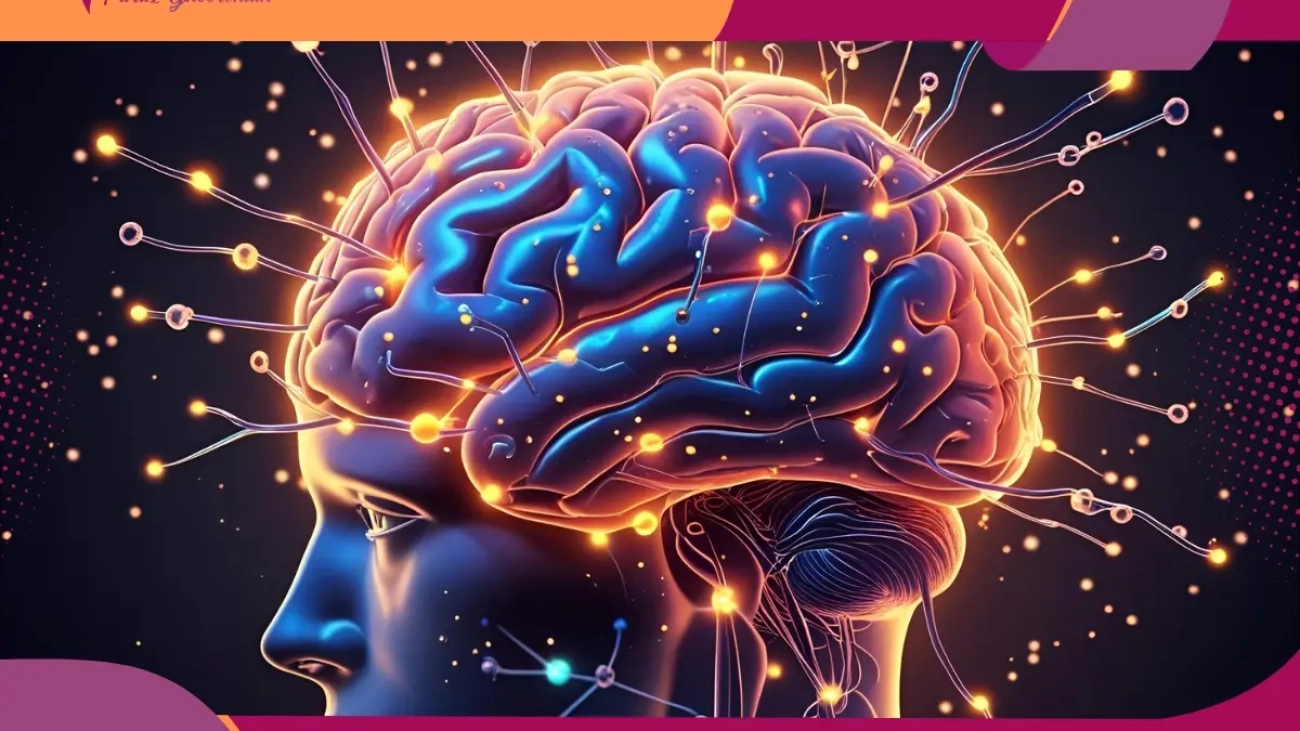
Moving Forward: Healing, Growth, and Redefining Relationships

Moving forward after women and porn addiction recovery rarely feels neat or predictable. Some women describe sitting with an old friend over coffee and realizing, almost by accident, that they’re speaking more honestly than they have in years. Others talk about the first time they let themselves relax with a partner, not worrying about the past. The effects of porn addiction on women might linger in unexpected ways, showing up in moments of doubt or hesitation, but slowly those moments start to lose their grip. For many, overcoming porn addiction in women is less about reaching a finish line and more about stumbling into new habits like journaling at night, saying yes to therapy, or just forgiving themselves on rough days. It’s not always easy. But with each step, trust grows, laughter comes a little easier, and life opens up in small, real ways.

Conclusion

No one really talks about porn addiction in women until it touches their own life, and by then, it can feel overwhelming and lonely. The effects of porn addiction on women might show up in ways that catch even close friends by surprise. Still, healing is not out of reach. More women are finding that opening up, sometimes just a little at first, leads to real understanding and support. With time, patience, and the right kind of female porn addiction treatment, the silence starts to break. Each small victory matters. Even when progress feels slow, women struggling with porn addiction can rediscover hope and begin to write a new chapter that feels honest, healthy, and truly theirs.