Does Watching Porn Lower Your Self-Esteem? Insights & Solutions

Introduction: Why Self-Esteem Matters

Ever wonder if there’s a real connection between what you watch online and the way you feel about yourself afterward? The truth is, does watching porn lower your self-esteem isn’t just a headline. It’s a question a lot of people quietly ask themselves. Sometimes, even if no one else knows, there’s a moment of guilt after watching porn or that little voice that nags at your confidence. People often find themselves doubting their worth or comparing their bodies to what they see on a screen, which can feed right into those familiar body image issues. The psychological impact of porn isn’t always obvious at first, but over time, it can creep into your mood, relationships, and sense of self. This article is here to dig into why that happens, how porn consumption and self-esteem are linked, and what can actually help you rebuild genuine confidence.

Does Watching Porn Lower Your Self-Esteem?

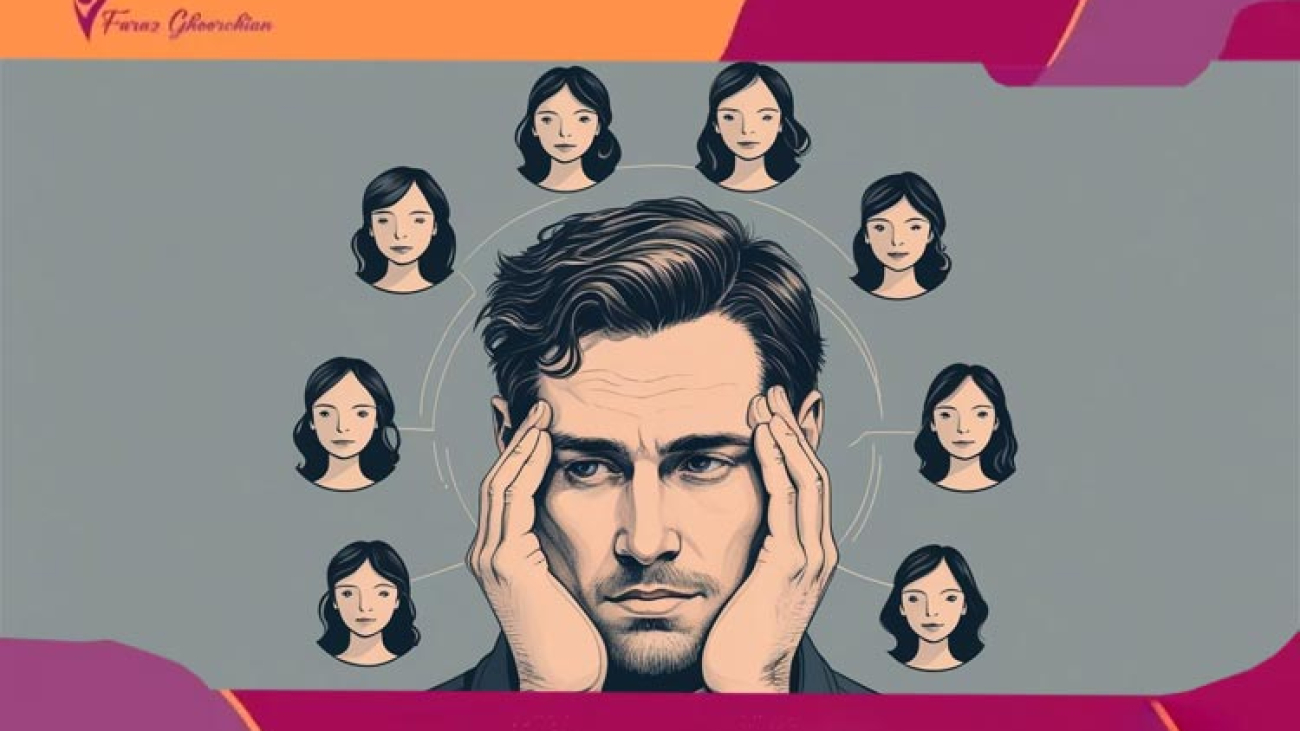
Ask around, and you’ll hear all kinds of answers to the question, does watching porn lower your self-esteem? Some shrug it off, insisting it’s just entertainment. But others can’t shake that heavy feeling afterward. It’s a mix of guilt after watching porn, uncertainty, and sometimes a sense that something’s changed inside. It’s not always dramatic. But for a lot of people, those moments add up. They start noticing low confidence from porn use creeping in at the worst times, maybe during a date or while looking in the mirror.

The science backs it up too. More research is linking porn consumption and self-esteem struggles, especially when someone’s watching more often than they’d like. People talk about feeling less motivated, worrying about how they look, or even wrestling with old body image issues that get triggered by endless comparisons. If anxiety or a strange emptiness settles in, it might not be just in your head. These are real frequent porn use effects that chip away at self-worth and even feed into pornography and depression. For anyone caught in that cycle, it’s a real challenge, but it’s not the end of the story.

The Psychological Impact of Porn on Self-Image

It’s easy to overlook how much porn and self-perception are connected until one day, something just feels off. Maybe it’s that awkward moment in front of a mirror or the sudden drop in mood that catches you by surprise. The effects tend to sneak up slowly, but they can leave a lasting mark on how someone views themselves. If you’ve ever wondered how porn affects self-image, here are some things people often notice:

  • After seeing so many idealized bodies, it’s almost impossible not to pick apart your own flaws. Those body image issues can show up without warning.
  • Sometimes, a heavy guilt after watching porn settles in. Why does it linger so long afterward?
  • The tug-of-war between personal values and what’s on the screen can spark a sense of shame and pornography use that’s tough to shake.
  • There’s also the problem of old insecurities resurfacing. Watching more can bring new doubts and challenges for self-worth and porn addiction
  • Even little changes in confidence can add up, shaping how people feel about their place in the world.

It’s a quiet battle, but it’s real.

Effects of Porn on Mental Health: Depression and Anxiety

It’s easy to think that watching something for quick pleasure would lift your spirits, but the reality can feel very different. Many people are surprised to find the psychological impact of porn sticks around, even when the screen is off. The connection between pornography and depression is more common than people realize, and the emotional fallout isn’t always easy to talk about. Here’s what often shows up:

  • Some days, there’s just this unexplained heaviness. It’s like your energy disappears, leaving you feeling low for no clear reason.
  • Ever felt more anxious instead of relaxed after watching? Rising porn and anxiety levels can sneak in, especially if you’re keeping it all secret.
  • Suddenly you’re avoiding friends or skipping things you used to love. That withdrawal sometimes goes hand in hand with frequent porn use effects and can make loneliness worse.
  • Old worries might come back stronger, especially when guilt or shame gets mixed in with your daily routine.

These shifts are real and deserve attention. Spotting them is a big step toward healing.

Guilt, Shame, and Pornography Use

Guilt and shame around porn aren’t always logical, but for many, they’re painfully real. It’s not just a quiet regret; it can feel like a heavy weight that settles in and refuses to budge. The impact on porn and emotional health is often more complicated than people expect. Just look at how it can play out:

  • That first wave of guilt after watching porn sometimes shows up almost instantly, followed by questions like, “Why did I do that again?”
  • Some people talk about a sinking feeling that won’t let go, turning into shame and pornography use that sticks around much longer than the act itself.
  • There’s a tendency to pull back from friends or hide the struggle, making isolation worse and putting a dent in recovery.
  • For those working on self-worth and porn addiction issues, the emotional back-and-forth can be exhausting.
  • Ever wonder, does porn cause insecurity or why something so private can leave you doubting your own value for days afterward?

Facing these feelings is tough, but it’s often the first real step toward breaking the cycle.

Porn and Body Image Issues

There’s a subtle way that porn consumption and self-esteem get tangled up, especially when it comes to how someone views their body. It often starts small, like a quick comparison to a performer or a quiet sense of not measuring up. Before long, those little doubts can grow into full-blown body image issues. You might notice old insecurities resurfacing or catch yourself avoiding intimacy, not because of your partner but because your own confidence feels fragile. For a lot of people, this is where porn and self-perception really starts to shift.

Sometimes, just looking in the mirror triggers a wave of discomfort and the chase for that ideal look becomes exhausting. Falling into these bad habits can make struggles with self-worth and porn addiction even harder, and the emotional distance doesn’t just disappear. What’s surprising is how quickly these patterns affect everyday life. Whether it’s feeling uneasy about your appearance or doubting your value in a relationship, the psychological impact of porn runs deep. Recognizing how frequent porn use effects can creep in is an important step toward breaking that cycle and finding some self-acceptance again.

The Relationship Between Porn and Confidence

Maybe it’s not obvious at first, but something starts to feel off after a while. The connection between porn and confidence isn’t always direct. For some, there’s a quick hit of relief or even excitement, but then a sort of awkwardness creeps in. You might suddenly feel uneasy around other people or start second-guessing yourself more than usual. It’s strange how confidence after watching porn can feel so fleeting. Sometimes, the more someone leans on porn to fill a gap, the harder it gets to show up with genuine self-assurance in real life.

There’s a deeper link here too between self-worth and porn addiction. All those small, passing doubts add up, turning simple moments like starting a conversation or making a new friend into bigger hurdles. The truth is, frequent porn use effects don’t just stop at private moments. Over time, they can change how someone feels about their place in the world. That’s the quiet power of porn and self-perception, chipping away at confidence until you start wondering where it all went. Noticing these changes is the first step toward rebuilding trust in yourself.

How Porn Affects Relationships and Personal Identity

You might not notice the shift at first, but when porn addiction consequences start creeping in, things can feel off in your closest relationships. Suddenly there’s a little more distance or a sense that real connection just doesn’t come as easily. Sometimes, it’s like trying to talk to someone while your thoughts are miles away. That slow fade in intimacy and trust? It can become the new normal before anyone realizes what’s happening.

The real twist is how much porn and personal identity get tangled together. Watching over time can change the way a person feels about themselves, chipping away at self-worth in subtle ways. People sometimes start to wonder who they really are or why it’s tough to feel fully present. These doubts can follow someone into every part of life, making confidence feel out of reach. The good news is, real conversations and resources like How to Talk to Your Partner About Porn Use can help couples find their footing again and get honest about what really matters.

Overcoming Porn-Related Guilt & Rebuilding Self-Esteem

Ever feel like no matter how hard you try, that guilt after watching porn just won’t let go? You’re definitely not alone. It’s tough. Sometimes that shame sits in your chest all day, making it hard to believe things can really change. But it’s possible, especially when you stop letting shame and pornography use call the shots. Talking to a friend, a counselor, or even just writing it out can help untangle those knots.

Don’t expect perfection overnight. For most people, rebuilding self-worth and porn addiction recovery is full of ups and downs. Setting small goals, cutting back a little at a time, and forgiving slip-ups makes a real difference. Every effort counts, even the messy ones. Over time, these choices support real porn and emotional health and can help you find that spark of confidence after watching porn again. It’s not about getting it perfect. It’s about not giving up.

Practical Steps: Moving Toward Positive Change

Change doesn’t happen overnight, and that’s okay. Anyone dealing with low confidence from porn use or just tired of the same patterns can start making small shifts. Some steps are simple, some might take a few tries, but it’s all about moving forward, not being perfect.

  • Start by noticing what triggers the urge. Maybe it’s boredom, stress, or just habit. Writing it down is a real eye-opener for breaking those old bad habits.
  • On tough days, just swap out one session for something else. Call a friend, get outside, or even just take a breath.
  • Set limits on screens but don’t beat yourself up if you slip. Everyone does.
  • Celebrate tiny wins. Seriously, every little step matters, especially when fighting the frequent porn use effects that can drag you down.
  • The effects of quitting porn might show up slower than you’d like. But they’re real. Stick with it and give yourself credit.

You don’t have to fix everything at once. Just keep going.

Conclusion

Looking at the evidence and lived experience, it’s clear that porn’s effects reach far beyond the moment. For many, the link between porn consumption and self-esteem shows up quietly, shaping how they feel about themselves and their relationships. Struggles with self-worth and porn addiction, unexpected body image issues, or even long-lasting doubts about personal value are all too common. But these patterns aren’t set in stone. By noticing the psychological impact of porn and making small, steady changes, anyone can begin to rebuild confidence and improve porn and emotional health. Healing is possible, and every honest step forward really does count.

FAQs

  • Does watching porn really lower self-esteem, or is it just a myth?

There’s growing evidence that porn consumption and self-esteem are often connected. Many people notice a drop in confidence or mood after watching, especially with regular use.

  • How does porn impact mental health and emotional well-being?

The psychological impact of porn goes deeper than most expect. It can lead to body image issues, pornography and depression, and higher porn and anxiety levels over time.

  • Can someone recover their confidence after quitting porn?

Absolutely. The effects of quitting porn often include greater motivation, more emotional balance, and a renewed sense of self-worth. Recovery is possible, and every step counts.

  • Why do guilt and shame show up after watching porn?

These feelings are common, especially when personal values clash with habits. Understanding the relationship between porn and self-esteem can help people break the cycle and move toward lasting change.
How to Talk to Your Partner About Porn Use; Real Conversations, Real Connection

Introduction: Why This Conversation Matters

For most people, figuring out how to talk to your partner about porn use feels awkward, maybe even a little scary. But avoiding it rarely solves anything. If someone’s ever sat in silence, wondering if it’s just them, or if their worries about porn and relationship issues are even “normal,” they’re not alone. The truth is, honest communication in relationships changes everything, especially when the topic gets personal. Real conversations about porn don’t just protect emotional intimacy; They help both people lay out their real needs and fears. Without talking, misunderstandings grow. Setting healthy boundaries and clearing the air is what actually lets couples build trust. At the end of the day, facing these sensitive topics is what makes a relationship strong, not perfect.

Recognizing When to Discuss Porn Use in a Relationship

Sometimes, figuring out how to talk to your partner about porn use isn’t obvious at first. Maybe there’s a weird distance after you’re together, or someone seems distracted during what used to be close moments. It’s easy to brush it off, but if a person keeps circling back to worries about their partner’s porn habits, or if little things suddenly become emotional triggers, that’s a sign. Honest communication in relationships might feel awkward, but it’s necessary when trust gets shaky or healthy boundaries start slipping. People often wait, hoping issues will just fade. That’s rarely what happens. Porn and relationship issues usually grow in the silence. In some cases, emotional disconnection even leads to sadness or anxiety, which raises an important question: Porn and Depression: What’s the Connection? Starting a conversation sooner, before jealousy or doubt takes root, can actually save a lot of heartache later. Sometimes all it takes is one real talk to bring back emotional intimacy.

Preparing Yourself: Mindset and Self-Awareness

Getting ready for a real conversation about how to talk to your partner about porn use usually starts long before anyone says a word out loud. Most people need a quiet moment to figure out what’s actually bothering them. Honest self-awareness means recognizing any emotional triggers or sore spots that might get poked during the discussion. Before tackling porn and relationship issues head-on, it’s worth asking, “What do I really need here? Am I worried about trust, or just confused about what’s normal?” Sometimes it’s more about fear of judgment than the actual topic itself. Practicing a non-judgmental approach helps lower defenses for both partners, especially when discussing sensitive topics like porn or sexual expectations. It’s also helpful to think about what kind of healthy boundaries might feel right and to get clear on your own values. The goal is to show up with empathy, honesty, and a willingness to listen. That’s what makes relationship communication stronger and sets the stage for deeper emotional intimacy.

Starting the Conversation: Communication in Relationships

Honestly, there’s no perfect script for how to talk to your partner about porn use. Most people end up fumbling for words or second-guessing if they should even bring it up. The thing is, staying quiet only makes the distance grow. When someone finally decides to start the talk, it usually happens in a quiet moment, maybe after something small just doesn’t feel right anymore. Communication in relationships doesn’t always look neat. Sometimes, people blurt out their worries or just admit, “Hey, this has been on my mind.” Real discussions about porn and relationship issues might come out messy, with stops and starts, and that’s actually okay. Sometimes what starts as a casual conversation turns into a deeper porn addiction discussion, especially if the behavior has been ongoing or emotionally distressing. A lot of trust is built in those imperfect moments. Using a gentle tone helps, but so does just being honest, even if the words aren’t perfect. Most relationship communication tips work better when they’re real, not rehearsed, and both people feel safe enough to share, even when it’s uncomfortable.

Discussing Sensitive Topics Without Judgment

Bringing up anything personal, like how to talk to your partner about porn use, never comes out as smoothly as people imagine. It’s strange, but sometimes the idea of talking feels scarier than whatever truth might come out. A lot of folks freeze up, worried they’ll look jealous or too sensitive, especially if porn and relationship issues have quietly built up over time. Real communication in relationships is usually awkward at first. Maybe there’s a moment where one person just blurts out what’s been eating at them or admits they’ve got questions about sexual expectations they didn’t know how to ask. The hardest part is staying in a non-judgmental approach when emotions run high. It’s tempting to focus on someone’s bad habits instead of what’s really underneath the discomfort. Focusing on “I feel” instead of “you always” is uncomfortable but real. Sometimes both people mess up and talk over each other. But if they stick with it, discussing sensitive topics gets easier, and setting healthy boundaries together can actually bring more emotional intimacy than anyone expected.

Navigating Emotional Intimacy and Triggers

Nobody really warns people how strange or even clumsy it feels to open up about how to talk to your partner about porn use. Sometimes, out of nowhere, a wave of old insecurity hits. One person might admit, “I thought I was fine until you brought it up. Now I don’t even know what I feel.” That’s the thing about porn and relationship issues: the emotional triggers don’t always make sense and rarely show up when expected. For some, jealousy or hurt comes out sideways, while others find themselves oddly relieved just to finally be honest. There are awkward pauses. Sometimes both people get defensive or talk in circles. Communication in relationships is not about perfection, just two people doing their best. Leaning into these messy talks helps build real emotional intimacy and shows where healthy boundaries need to be. It’s rarely tidy. But working through uncomfortable moments together is what creates trust and a stronger connection over time.

Understanding Sexual Expectations and Needs

Bringing up how to talk to your partner about porn use almost always stirs up deeper questions about what both people actually want from intimacy. It’s not just about preferences; sometimes it’s about secret worries nobody has ever said out loud. Maybe one person quietly wonders if their own sexual expectations are too much, or not enough. It can feel awkward to even start the conversation. Some people find themselves blurting out, “I don’t even know what normal is for us anymore.” That’s the reality of communication in relationships when things get real. Honest talks about understanding sexual needs can feel clumsy, full of stops and starts, but those moments matter. Sometimes, it takes several tries before anyone says what they really mean. Still, listening with real curiosity instead of jumping to conclusions is what helps build a healthy sexual relationship. Setting healthy boundaries together often feels a little strange at first, but when each person feels safe to admit their hopes and fears, emotional intimacy actually grows, even in the messiness.

Healthy Boundaries and Open Conversations

Talking about healthy boundaries when it comes to porn sometimes feels like wandering in the dark. One couple might sit down to discuss how to talk to your partner about porn use and find themselves both stumbling, not really sure where to start. Maybe one person shrugs and says, “I guess I’m okay with most things,” but inside, they’re second-guessing what actually makes them uncomfortable. It’s not rare for these moments to get awkward, with both people talking over each other or stopping to ask, “Wait, what do you mean by that?” True communication in relationships usually includes these pauses and mix-ups. Sometimes porn and relationship issues pop up in other parts of life, especially when someone begins to notice the emotional or relational effects of quitting porn, and you realize the boundaries conversation never really ends. Instead, it gets picked up and set down again, changing as both people do. Relationship boundaries are not fixed rules to memorize but slow-growing habits of respect and listening. What matters most is returning to these talks, even after a fight, and trying again, because every couple figures it out in their own messy way.

Overcoming Jealousy and Managing Conflict

Jealousy in relationships isn’t neat or logical. Sometimes just thinking about how to talk to your partner about porn use can bring up a twinge of fear or even anger that’s hard to explain. One person might roll their eyes at their own reaction, or suddenly feel like they’re competing with a screen. Porn and relationship issues can stir up old doubts, and before anyone knows it, the conversation turns into an argument nobody meant to start. Honest communication in relationships means sometimes blurting out, “I know it sounds ridiculous, but this really bothers me,” or admitting to checking a phone when you promised yourself you wouldn’t. Working through conflict gets messy. Healthy boundaries might get bent or questioned, but the main thing is being willing to try again after things cool down. Over time, this kind of stumbling honesty builds trust and helps both people figure out how to manage conflict without tearing each other down.

Rebuilding Trust and Improving Intimacy After Disclosure

After someone finally opens up about how to talk to your partner about porn use, the days and weeks that follow can feel both strange and hopeful. Trust doesn’t snap back overnight, especially if porn and relationship issues have been quietly building for a long time. Sometimes it is the small things, like a longer hug or an honest apology, that begin to shift the energy between partners. Communication in relationships becomes even more important at this stage. It is not about saying the perfect thing but about showing up with real effort, even when it feels uncomfortable. Practicing trust and honesty happens slowly and often quietly, through repeated moments of understanding. Some people need more space while others crave closeness, and that difference is okay. What matters is finding a rhythm together, checking in, and setting relationship boundaries that feel right for both people as things evolve. Over time, this kind of care helps rebuild connection and allows a healthy sexual relationship and real emotional intimacy to take root again.

Conclusion: Moving Toward a Healthy Sexual Relationship

Getting to a truly healthy sexual relationship after those first hard talks about how to talk to your partner about porn use is rarely neat. Some days it might feel like you’re making progress, and then out of nowhere, old worries or new porn and relationship issues pop up. But that’s just how growth works. Real communication in relationships is full of stops, starts, and sometimes a little backtracking. There are moments when setting or rethinking healthy boundaries feels frustrating or awkward, and that’s normal too. What really counts is that both people keep showing up, talking honestly, and trying to understand each other’s needs. Over time, this kind of messy effort builds real emotional intimacy. It is not about perfection. It is about creating the kind of connection that lasts because both people cared enough to keep going.

FAQs

  • How do you know if your partner’s porn habits are a problem?

Everyone has different comfort levels. If porn and relationship issues are causing tension or if someone feels left out, it’s a sign to start a real talk about healthy boundaries and emotional needs.

  • What is the best way to start discussing sensitive topics like porn?

Choose a time when you both feel calm and won’t be interrupted. Honest communication in relationships means speaking gently, sharing your feelings, and listening with an open mind. Nobody gets it perfect every time.

  • Can talking about porn help rebuild trust and emotional intimacy?

Yes. Being vulnerable about uncomfortable subjects can bring people closer. Even if it’s awkward, these conversations are often the first step toward a more healthy sexual relationship, stronger trust and honesty, and deeper understanding.

  • How often should couples revisit these conversations?

Whenever things change, or if someone feels unsettled. Relationship communication tips suggest checking in regularly and adjusting healthy boundaries as needed.

The Spiritual Side of Quitting Porn; Faith, Healing, & Lasting Change

Introduction: Why the Spiritual Side of Quitting Porn Matters

Ask anyone who’s really tried to quit and they’ll tell you: The Spiritual Side of Quitting Porn is where things get real. It isn’t just about breaking a routine or toughing it out with sheer willpower. Sometimes the emptiness that follows makes it clear that porn addiction recovery runs deeper than expected. That’s when questions about faith and purity show up, and even people who never saw themselves as spiritual start wondering what spiritual healing actually means. For some, prayer slips into their days without much planning. Others notice a shift in how they see themselves, a gentle nudge toward spiritual growth and honest soul healing from porn that feels both messy and strangely hopeful.

Spiritual Healing: Beyond Physical and Mental Recovery

Not everyone expects it, but after a while, most people working on porn addiction recovery start noticing that physical changes and mental tricks only go so far. Sometimes they’ll wake up, feel that old ache in their chest, and realize it isn’t just about stopping a habit. That hollow feeling is often connected to something deeper, and it’s part of why you feel empty after watching porn in the first place. Spiritual healing creeps in quietly, sometimes when someone’s alone in their room or lost in thought during a walk. They might wonder if soul healing from porn is even possible, or if they’re just pretending to be okay. But bit by bit, pieces of faith and purity return, even in the smallest ways. There’s no rulebook for spiritual growth. Sometimes it’s a shaky prayer, or just the relief of not lying to themselves anymore. This kind of renewal feels less like a big win and more like letting a deep breath finally settle in.

Religious Views on Pornography: Finding Guidance in Faith

Ask around in any church group or faith community and the topic of porn usually brings a mix of discomfort and honest questions. The religious view on pornography isn’t just about strict rules; for many, it’s tangled up with longing for something purer and better. Some folks recall a Christian approach to lust where mistakes are met with compassion and a call back to faith and purity. Still, it’s easy to get stuck thinking you’re beyond forgiveness. But faith traditions keep coming back to this idea of spiritual healing, the belief that nobody’s ruined for good. Sometimes, when people actually see the effects of quitting porn in their own life, it feels like a relief, almost like exhaling after years of holding their breath. The hope is real. Change is possible, and faith makes it feel less lonely.

Overcoming Lust Spiritually: Discipline and Daily Practice

Anyone who’s tried to overcome lust spiritually knows it isn’t some grand, movie-style transformation. Honestly, it’s a mix of awkward mornings, slip-ups, and tiny decisions most people never see. Spiritual discipline can look pretty ordinary. Sometimes it’s just choosing not to check your phone in bed or sitting with your own thoughts when old bad habits creep in. For a lot of people working through porn addiction recovery, that first stretch of days feels impossible, and the urge to give up can be strong. But there’s power in those small, daily efforts, even if nobody else notices. A bit of spiritual growth happens when someone admits they’re struggling and keeps trying anyway. That’s where the real progress shows up, in the messy and imperfect routine of living differently one day at a time.

The Power of Prayer and Addiction Recovery

There’s something quietly powerful about prayer and addiction that can’t always be explained on paper. In the middle of tough days, when cravings hit and willpower fades, some find that prayer becomes a lifeline. For many going through porn addiction recovery, those moments of honest prayer are where the mask finally comes off. It’s not about having the right words or looking spiritual. Sometimes it’s just admitting defeat or asking for help, even when hope feels thin. That act of reaching out, no matter how clumsy, opens the door to a different kind of strength. Over time, daily prayer gently shapes a person’s sexual purity journey, making room for healing, surrender, and real connection. It can feel small at first. Still, prayer often marks the start of true spiritual healing and change.

Faith, Purity, and Rebuilding Spirituality

Restoring faith and purity after the messiness of addiction isn’t just a clean break. For someone in porn addiction recovery, it’s often painfully slow, with moments that feel raw and uncertain. There’s a story of a guy who tried to say a fancy prayer but ended up just sitting on his bedroom floor, out of words, asking for any sign that he wasn’t alone. That’s sometimes how spiritual growth actually looks. The process of rebuilding spirituality can feel shaky, with days when hope is thin and the old shame creeps back in. Some people write messy confessions in their journal, others just get quiet and let the longing for spiritual healing sit for a while. Even small steps, like showing up to a community meeting or reading a single line from a spiritual book, matter. The slow return of faith and purity is real. Every honest effort counts, even if it’s not pretty.

Mindfulness, Temptation, and the Soul Connection

There’s a guy who once said he tried everything to fight temptation, but it wasn’t until he started pausing, just stopping to breathe and pay attention, that something changed. In the thick of porn addiction recovery, mindfulness and temptation start to feel a lot less like buzzwords and a lot more like survival tools. Sometimes, a person sits there thinking, “I’m not even sure why I keep going back,” and it’s that raw honesty that cracks things open. Letting yourself notice the urge without running is tough, but it’s also where you begin to spot that deeper porn and soul connection most people never talk about. As uncomfortable as it gets, these moments often spark a slow spiritual awakening after addiction, where even the smallest acts of presence or kindness toward yourself matter. This is how spiritual healing really takes root in awkward silences, shaky breaths, and the strange relief of facing yourself just as you are.

Divine Strength and Spiritual Growth

There’s a turning point in porn addiction recovery when someone realizes sheer willpower just isn’t enough. That’s when the idea of drawing on divine strength to quit porn becomes more than just a phrase in a sermon. For many, asking for help from a higher power feels awkward at first, almost like admitting defeat, but over time it starts to bring real comfort. Spiritual tradition teaches that reaching out for strength is a step toward genuine spiritual growth. Some people find themselves whispering quick prayers in the middle of rough days, hoping for a sense of direction or peace. Others lean into community, trusting that support and faith can fill the empty spaces left by old habits. When spiritual discipline blends with the willingness to receive help, those moments of surrender slowly build a foundation for lasting change. In these moments, spiritual healing and transformation become possible in ways that self-effort alone can’t provide.

Guilt, Forgiveness, and Overcoming Shame Spiritually

One man once admitted he’d reread the story of the prodigal son over and over during porn addiction recovery, but he still woke up some mornings convinced that spiritual healing just wasn’t for people like him. That’s the thing about shame; It sticks, even when forgiveness is offered. The heavy mix of guilt and forgiveness can leave someone feeling like they’re moving in circles, making progress, then suddenly right back in old regrets. Overcoming shame spiritually isn’t about pretending everything’s fine or ignoring the hurt caused. Sometimes, it’s sitting with the memory, feeling the sting, and deciding to reach for grace anyway, even if it feels undeserved. Little by little, the heart softens. Some days the shame flares up again, but each honest prayer or raw conversation is a step. Over time, this messiness is where spiritual growth actually takes hold, in real, imperfect lives still learning to hope.

Achieving Spiritual Freedom from Addiction and Inner Peace

Real spiritual freedom from addiction doesn’t show up all at once. Sometimes, it looks like dragging yourself out of bed after a rough night, sitting by the window with coffee, and feeling just a little less haunted. In the messy middle of porn addiction recovery, people often wonder if they’ll ever find that steady inner peace and purity everyone talks about. There’s a guy who kept a worn-out prayer book on his nightstand, flipping through the same pages over and over, half-believing that maybe this time, something would stick. Building a true sexual purity journey is rarely about big, perfect moments. It’s more about the awkward pauses, the shaky attempts at spiritual discipline, and honest talks with a mentor or friend who doesn’t flinch at the word “relapse.” As old habits fade, a different kind of quiet fills the space. It’s a dignity that feels earned, not handed out. Bit by bit, spiritual healing finds its way into the routine, and even on bad days, there’s a slow confidence that freedom is real and within reach.

Conclusion

One man said it started with silent mornings and a notebook he barely touched, just small steps toward something better. The Spiritual Side of Quitting Porn isn’t a perfect journey. There are doubts and stumbles, but those awkward first tries matter. Some days bring relief, other days only questions. Still, with practice and a bit of stubborn hope, spiritual healing begins to take shape. The pursuit of inner peace and purity and honest spiritual growth looks different for everyone. For those in porn addiction recovery, even small moments of faith can open the door to change. Wholeness comes slowly, but it comes.

FAQs

  • Can someone really experience spiritual healing after porn addiction?

Yes, many people have found that spiritual healing is not only possible but can be a crucial part of real change. By focusing on spiritual growth and reconnecting with personal values or faith, individuals often experience a deep sense of relief and renewal during porn addiction recovery.

  • How does prayer help in the recovery process?

For many, prayer isn’t about saying the perfect words. It’s about honesty. Prayer and addiction recovery often go hand in hand, offering comfort during moments of weakness and creating space for self-forgiveness and hope. Even simple prayers can support a person’s sexual purity journey and offer moments of peace when the struggle feels overwhelming.

  • Is it normal to feel shame or guilt after quitting porn?

Absolutely. Feelings of shame and guilt are common, but they don’t have to define the journey. Embracing guilt and forgiveness and learning how to overcome shame spiritually are key steps toward long-term freedom and spiritual healing.

  • What role does community play in achieving spiritual freedom from addiction?

Community offers encouragement and accountability. Many people find that sharing honestly with others brings a sense of spiritual freedom from addiction, helps maintain spiritual discipline, and makes the path toward inner peace and purity less lonely.

Why You Feel Empty After Watching Porn; Psychology, Science & Recovery

Introduction: The Hidden Feeling No One Talks About

You close the laptop, but something just feels off. For a lot of people, why you feel empty after watching porn isn’t easy to explain, but it’s real. That wave of emotional emptiness or even a little bit of regret can show up out of nowhere, and suddenly you start questioning things. Sometimes it’s about the dopamine crash, sometimes it’s just the weird aftertaste from the effects of pornography on your mind. Some even notice a kind of emotional numbness that’s hard to shake. This article digs into all those tangled feelings and what they really mean.

The Immediate Aftermath: Understanding Post-Porn Clarity

You sit there, maybe a little stunned, wondering why everything feels so different now. That’s what a lot of people call post-porn clarity. For some, the feeling is almost immediate. One second there’s a rush, the next there’s just this hollow space and maybe a flicker of guilt after porn. Sometimes, it’s not even clear where the emptiness comes from. It’s just a weird kind of emotional numbness that creeps in. It’s like your mind can’t quite settle. Science points to something called a dopamine crash, which leaves everything feeling flat after the flood of stimulation. These are the effects of pornography that rarely get talked about. Understanding why you feel empty after watching porn isn’t always simple, but noticing these patterns is where real change begins.

The Brain Science: Dopamine Crash & Emotional Numbness

Ever notice how everything just feels quieter after? When someone’s caught up in watching, the brain gets flooded with dopamine, that feel-good chemical tied to excitement. For a moment, it’s all intensity and focus. Then, almost out of nowhere, comes the dopamine crash. Some say it’s like hitting a wall after a high. The world suddenly feels muted, and even simple pleasures can seem a bit dull. It’s not just in your head; this is where that heavy emotional numbness creeps in. Some people call it brain fog porn because it leaves them feeling cloudy and disconnected. The effects of pornography on the brain might not show up right away, but repeated ups and downs mess with the ability to enjoy everyday things. For many, this is a big part of why you feel empty after watching porn. It’s a cycle that’s easy to fall into and tough to break, but recognizing it is the first step to real change.

Guilt and Shame: The Emotional Fallout

Sometimes, after everything’s over, there’s this weird heaviness that just settles in. Is it guilt after porn? Or maybe something deeper? For some, it shows up as a knot in the stomach that won’t let go. Others talk about shame from porn, the kind that makes a person want to hide or even pretend it never happened. And then there is porn regret, that little voice replaying the decision, wondering why it always feels the same. It’s easy to get lost in self-criticism and end up in a fog of emotional emptiness. People might question themselves, sometimes asking if there’s something wrong with them, or if the effects of pornography just go deeper than anyone admits. These feelings aren’t rare. In fact, they’re a big part of why you feel empty after watching porn in the first place. Naming them is hard, but it’s the beginning of finally breaking the cycle.

The Link Between Porn and Mental Health

It’s weird how something that seems harmless at first can stick with you in the strangest ways. Some days, even after everything’s finished, there’s just this sense of heaviness that won’t go away. That’s where the whole mental health porn discussion gets real for a lot of people. Maybe it’s missing deadlines, losing interest in things that used to be fun, or finding yourself way more irritable than before. There are stories about folks who notice the connection between porn and depression, and it’s not just in their heads. For some, emotional emptiness turns into feeling lost or alone, even in a crowded room. The effects of pornography can be subtle or loud, showing up as anxiety, brain fog, or just that ache of disconnection. Figuring out why you feel empty after watching porn isn’t always easy, but noticing these everyday changes in mood and motivation is a big piece of the puzzle. Sometimes, it takes looking at your life sideways to really see what’s going on.

Self-Esteem, Loneliness, and Porn Use

Some days, a person might catch themselves staring at their phone, ignoring messages just because it’s easier than talking. Self-esteem and porn can get tangled up like that. After another round of compulsive porn use, there’s often this weird little voice that says you’re not enough, even when you know it’s not true. Maybe it’s the secret, or maybe it’s how comparing real life to a screen leaves everything feeling a bit smaller. Porn and loneliness go hand in hand for a lot of people. You could be laughing in a room full of friends and still feel separate, like you’re missing something everyone else has. These are the real watching porn effects nobody brings up in casual conversation. Sometimes it’s about confidence slipping away, or a weird discomfort that creeps into your relationships. Figuring out why you feel empty after watching porn isn’t always clear, but the way it messes with connection and self-worth is tough to ignore once you notice it.

Compulsive Habits: The Cycle of Watching Porn

Ever find yourself reaching for your phone late at night, promising it’ll just be a quick scroll? That’s how compulsive porn use often sneaks in. It rarely starts as a big decision. One day it’s just stress relief or boredom, and suddenly it’s a routine you barely notice. Maybe you tell yourself it’s just this once, but that same excuse keeps coming back. Before long, these little choices stack up, turning into real bad habits that feel impossible to break. Sometimes the watching porn effects show up as trouble focusing at work, ignoring texts, or losing sleep for no good reason. Other times, it’s that familiar emotional emptiness that creeps in afterward. You might even wonder when it started feeling normal. That’s part of why you feel empty after watching porn. The cycle just feeds itself until it’s tough to see a way out. Noticing the pattern is a start, and for a lot of people, that’s the first honest step toward change.

How Porn Affects Emotions and Relationships

Sometimes the changes sneak up quietly. When looking at the psychology of porn, it’s not always clear at first how much it spills into real life. In relationships, the small shifts add up in unexpected ways:

  • Someone might find themselves zoning out during conversations, not really listening, just feeling miles away
  • Real closeness with a partner starts to feel awkward, almost staged, compared to the easy rush online
  • The ways porn and relationship problems show up aren’t always dramatic—maybe it’s just snapping more often, or pulling back without meaning to
  • How porn affects emotions is complicated, sometimes leaving a dull ache or a wall between people that wasn’t there before
  • The effects of pornography can turn connection into routine, making everything feel just a little bit emptier

For a lot of people, this tangled mess is at the heart of why you feel empty after watching porn.

Recovery: Steps to Heal Emotional Emptiness

Getting out of that emotional emptiness isn’t a straight line. Some days it feels like nothing helps, but small shifts matter more than people think. For those struggling with the lingering effects of pornography, here are some steps that actually make a difference:

  • Call out the routine. Notice how compulsive porn use creeps into life. Write down when the urge hits or what sets it off, even if it feels uncomfortable
  • Try swapping just one old habit for something new, like texting a friend or walking outside. Not every day will go perfectly. That’s part of it
  • What if you stopped judging the slip-ups and started noticing the effort instead? Progress shows up in weird ways
  • Journaling, even if the words don’t make sense, can loosen that heavy emotional numbness and make triggers clearer
  • Maybe it’s time to ask for help from someone who understands the real weight of mental health porn struggles

Real recovery from porn takes patience, but for many, the true quitting porn benefits are feeling a bit more present and a bit more whole. That’s when the effects of quitting porn finally start to show.

Mindfulness, Support, and Moving Forward

Moving forward from emotional emptiness rarely feels neat or easy. Sometimes just sitting with that ache is the hardest part. But a lot of people find that Using Mindfulness to Overcome Porn Addiction changes the way those moments hit. It isn’t about forcing thoughts away or expecting to feel better overnight. Maybe it’s just noticing a tightness in the chest or catching yourself reaching for old habits and pausing, even if only for a second. That pause counts. Over time, these little acts of self-awareness can chip away at compulsive porn use and make tough days feel a bit less lonely. Reaching out matters too. Maybe a friend listens, maybe a therapist who understands mental health porn struggles helps untangle the mess, or maybe it’s just reading someone else’s story and realizing you’re not the only one. There’s no perfect roadmap. But for many, the real quitting porn benefits start with showing up for yourself, imperfectly, again and again.

Conclusion

Sometimes you close the tab and just sit there, staring at the wall, feeling that strange emotional emptiness sink in. Maybe it’s not only about the effects of pornography or even just about the habit itself. For some, it feels like porn and depression feed off each other, making real connection tougher. One person might not realize how much compulsive porn use is wearing them down until they try to quit and notice the silence. The truth is, understanding why you feel empty after watching porn takes time and honesty. The good part is that even the smallest changes matter. Little by little, those steps turn into real quitting porn benefits like feeling a bit more alive and a little less alone.

FAQs

  • Why do people experience emotional emptiness after watching porn?

Many feel a wave of emotional emptiness because of the brain’s response to intense stimulation and the quick drop known as a dopamine crash. This is a common part of the effects of pornography, leaving people feeling disconnected or numb.

  • Can quitting porn really improve mental health?

Yes, there are genuine quitting porn benefits. Over time, people often notice less anxiety and a reduction in symptoms tied to porn and depression. Recovery helps rebuild real connection and self-esteem.

  • What is post-porn clarity and is it normal?

Post-porn clarity describes the uncomfortable awareness and guilt after porn that follows use. It’s a natural reaction for many and often part of a bigger pattern with compulsive porn use.

  • How can someone begin to heal from these effects?

Starting with small changes, seeking support, and practicing mindfulness can ease emotional numbness. Understanding the psychology of porn makes recovery feel possible.

Mindfulness for Porn Addiction Recovery; Rewire, Heal & Thrive

Introduction: The Hidden Power of Mindfulness in Breaking Porn Habits

Anyone who has tried quitting porn knows those automatic urges don’t just disappear overnight. There’s a certain moment, maybe after a stressful day, when the mind drifts and the old habits sneak in. Using mindfulness to overcome porn addiction means noticing those patterns in real time, even if it’s just feeling your breath or the tension in your chest. Through regular mindfulness practice, a person slowly builds self-control training and learns to handle emotional triggers without judgment. Small, consistent steps become the start of real porn addiction recovery and even genuine mental health healing. This isn’t just theory. For many, mindful living becomes the difference between feeling stuck and actually moving forward.

Understanding Porn Addiction: The Science & the Struggle

A lot of people think they can just quit any time, but real life tells a different story. Jake, for example, noticed his energy dipping and motivation fading after long nights spent online. The brain gets used to those easy rewards from porn, which researchers link to shifts in dopamine regulation and even brain rewiring. When daily stress piles up, it’s tempting to fall back into old routines. That’s where emotional triggers play their part, sometimes before anyone realizes it’s happening. Real porn addiction recovery isn’t just about stopping a behavior. It means learning to spot the small moments when cravings hit and using mindfulness practice or self-awareness techniques to pause and choose something healthier. People often find that the effects of quitting porn include clearer thinking, a better mood, and the kind of mental health healing that sneaks up slowly and feels surprisingly real.

What Is Mindfulness? A Practical Guide for Beginners

Anyone who’s ever found themselves scrolling late at night, promising to stop “just one more time,” knows that quitting porn isn’t just about self-control. The science points to some real changes happening in the brain. Here’s what’s actually going on:

  • Dopamine regulation gets thrown off, so simple pleasures seem dull by comparison
  • Repeated use leads to brain rewiring, making certain images or habits almost automatic
  • Stress or tough emotions often act as emotional triggers, pulling someone back in
  • Over time, these patterns can become tough bad habits to break

Recognizing these challenges is the first real step toward porn addiction recovery and lasting mental health healing.

Why Mindfulness Works for Porn Addiction Recovery

There’s a reason people keep coming back to mindfulness practice when struggling with urges. One guy in recovery once joked that pausing to notice his breathing before opening a browser tab felt awkward at first, but over time, that tiny moment changed everything. With practice, he learned to spot emotional triggers and old routines before they took over. Mindfulness teaches a person to slow down and actually see their cravings in real time, instead of running from them.

By using simple self-awareness techniques, people often build healthier coping strategies and develop real stress management skills. Sure, progress is slow some days, but over weeks, those small pauses help rewire the brain and lay the groundwork for lasting porn addiction recovery. Many say mindful living brings more patience, genuine self-compassion, and the kind of mental health healing that makes everyday life feel lighter and more manageable.

Identifying Emotional Triggers & Overcoming Urges

For anyone serious about porn addiction recovery, the real battle often starts long before any slip happens. Most urges don’t appear out of nowhere. They’re usually set off by familiar emotional triggers such as stress after a rough day, boredom when the mind wanders, or even loneliness in a quiet room. Becoming aware of these moments is where mindfulness practice really shines. It’s not about blaming yourself for having cravings, but about observing them with curiosity and a bit of patience.

Using self-awareness techniques, someone might notice a spike in anxiety before an urge or recognize a pattern where certain thoughts always lead to risky behavior. When these patterns are clear, it becomes possible to use healthier coping strategies like deep breathing or a quick walk. Over time, building this non-judgmental awareness helps break bad habits and gives a person more control, making the journey to lasting change actually feel possible.

Mindful Meditation & Breathing Exercises for Relapse Prevention

Sometimes, the smallest habits make the biggest difference in porn addiction recovery. One guy shared how he never believed breathing exercises would help until he tried a few on a tough night. The urge didn’t disappear, but it lost its power. These moments can feel awkward at first, but they’re surprisingly effective for relapse prevention and regaining control.

A few practical techniques that actually help:

  • Try five-count breathing: Inhale slowly for five counts, pause, then exhale for five. It seems simple, but it often resets the mind and helps with dopamine regulation during cravings.
  • Do a quick body scan meditation: Close your eyes, notice sensations from head to toe. This method uncovers hidden tension and connects physical feelings to emotional triggers.
  • Practice urge surfing: When an urge hits, just sit with it and observe like you’re watching a wave. The feeling will rise and fall, and this builds real self-control training and supports long-term mental health healing.

Building these into daily life supports both brain rewiring and confidence, even when setbacks happen.

Stress Management and Healthy Coping Strategies

Ask anyone in porn addiction recovery and they’ll tell you, stress is often the real enemy. One guy said that just stepping outside and letting the cold air hit his face helped more than any lecture. Finding healthy coping strategies takes trial and error, but small actions add up.

Try some of these:

  • Take a few slow breaths, even if it feels awkward at first. Simple breathing exercises really do lower anxiety.
  • Jot down what’s stressing you out. Sometimes seeing your thoughts on paper makes emotional triggers easier to handle.
  • Walk around the block, stretch, or shake out your hands. Movement supports better self-control training.
  • Reach out to someone you trust when things get tough. Honest connection matters.

With patience, these habits build real stress management and make setbacks a little less overwhelming. For more ideas, explore How to Build Self-Control and Beat Porn Urges and try what fits.

Digital Detox and Mindful Living in Everyday Life

Digital overload makes porn addiction recovery harder than most people expect. One person joked that just turning their phone face down at dinner felt weird at first, but it honestly cut the urge to check notifications and made evenings calmer. Digital detox doesn’t have to be dramatic. It might be as simple as setting aside tech-free mornings or deleting an app that always leads to trouble. These small choices open up space for real mindful living and help with breaking bad habits over time.

People who add bits of mindfulness practice into their day, like pausing before scrolling or sitting quietly before bed, often notice they’re handling impulses better. Even small tweaks support long-term self-control training and gradually make daily life feel less scattered, more focused, and even a little lighter.

Mindfulness and Sexuality: Building a Healthier Relationship

Healing intimacy after porn addiction recovery often comes with surprises. One person admitted that the first time they really tried mindfulness and sexuality together, they noticed their heartbeat quicken and their thoughts race. Instead of pushing the feeling away or judging it, they just stayed with it. That’s the heart of non-judgmental awareness, allowing every feeling, even the awkward or uncomfortable ones, to be there without running. Over time, regular mindfulness practice helps untangle real desire from old habits or emotional triggers. It might feel clumsy at first, but many people say that facing these moments honestly leads to real mental health healing and much deeper, more authentic connections with themselves and others.

Real Recovery: Lasting Change Through Consistency

Ask around in any porn addiction recovery group and you’ll hear stories about tiny changes making a huge difference. One man laughed about how simply brushing his teeth mindfully became a turning point. It was proof he could be present, even for a minute. That’s what mindfulness practice really looks like in the real world. It’s not flashy, and it isn’t always easy. Some mornings are a mess. But using simple addiction recovery tools or trying out new self-awareness techniques every day starts to shift things. Gradually, those small wins stack up, and true mental health healing begins to feel possible. Recovery isn’t about perfection. It’s about patience, showing up for yourself, and letting mindful living become a steady part of your story, no matter how ordinary the moment seems.

Conclusion

Sometimes porn addiction recovery looks less like a victory parade and more like someone just pausing for a deep breath before making a tough choice. One person said that using mindfulness to overcome porn addiction didn’t change things overnight, but it made slip-ups less scary and wins feel more real. Regular mindfulness practice and honest self-awareness techniques make it possible to spot those emotional triggers as they happen. The path to mental health healing and mindful living is rarely perfect, but every small step counts. If recovery feels slow or ordinary, that’s okay. Consistency is what makes lasting change possible, even if it just means showing up for yourself, one moment at a time.

FAQs

  • How does mindfulness actually help with porn addiction recovery?

Practicing mindfulness allows people to spot emotional triggers and urges as they happen, rather than getting swept up in them. By using regular mindfulness practice, a person develops better self-awareness techniques, which makes it easier to pause, reflect, and choose a healthier coping strategy before acting on impulse.

  • What are some quick mindfulness techniques for overcoming urges?

One of the most effective tools is focused breathing exercises. For example, pausing and taking five slow, deep breaths can help regulate stress and create a mental break from cravings. Another simple method is the body scan, which brings attention to sensations in different parts of the body, supporting better self-control training.

  • Can mindful living really lead to long-term change?

Absolutely. Building consistency with mindful living helps to rewire the brain and supports ongoing mental health healing. Over time, small daily routines such as morning meditation, journaling, or even tech-free evenings make it easier to avoid old patterns and reinforce lasting growth.

  • What if I relapse during my recovery journey?

Relapse is common in porn addiction recovery, but it’s not the end of progress. Mindfulness teaches people to respond to setbacks with compassion instead of shame. Recognizing a slip as a learning moment and returning to mindfulness practice is a powerful way to rebuild momentum and protect self-esteem.

  • How long does it take to see results?

Every person’s timeline is different. Some notice benefits like improved focus, reduced stress, and fewer cravings within a few weeks of steady practice. Lasting change happens with patience and a commitment to showing up, even on tough days.

Mastering Self-Control; Practical Steps to Beat Porn Urges

Mastering Self-Control; Practical Steps to Beat Porn Urges

Introduction: Why Self-Control Matters in the Digital Age

Most people never expect to struggle with self-control until they find themselves caught up in routines that drain their energy and focus. In today’s digital world, learning how to build self-control and beat porn urges isn’t just a lofty goal. It’s a daily necessity. One man once described feeling like his phone had a mind of its own, pulling him toward habits he wanted to break. The truth is, anyone can overcome porn addiction and start to stop watching porn naturally by changing small things in their everyday life. This article offers straightforward advice, rooted in experience, for building real mental strength and seeing the actual benefits of quitting porn.

Understanding Porn Urges: The Science Behind the Habit

Understanding Porn Urges: The Science Behind the Habit

For a lot of people, the pull of porn starts off harmless but quickly grows stronger than expected. Picture someone who just wanted to unwind after a stressful day and clicked out of curiosity. That quick hit of excitement sends a rush of dopamine through the brain, and before long, the pattern sticks. Suddenly, boredom or anxiety feels like a trigger, and the urge becomes almost automatic. Understanding this process is what gives someone the chance to truly stop watching porn naturally. Breaking the cycle takes more than willpower; it’s about building mental strength and being honest about what sets things off in the first place. Some even begin questioning their own sexual responses, leading them to explore topics like Porn-Induced Erectile Dysfunction: Fact or Fiction? as part of understanding the deeper impact. Scientists have shown that anyone can overcome porn addiction by slowly changing their routines and learning new responses. With patience and practice, it’s possible to increase willpower, make better choices, and gradually reboot your brain so old habits don’t have the same hold anymore.


Step 1: Increase Willpower with Self-Discipline Techniques

Building willpower never feels easy at first, but anyone who’s tried to overcome porn addiction will tell you small changes really do add up. There’s no one-size-fits-all solution. Sometimes it’s the oddest thing, like a cold shower or just talking to a friend, that helps someone resist a strong urge. Here are some self-discipline techniques that people have actually found useful:

  • Jotting down every time an urge hits, even if it’s just a quick note on your phone, makes those moments feel less mysterious and more manageable
  • Blocking websites or deleting old bookmarks might seem extreme, but cutting off easy access helps most people stop watching porn naturally
  • Picking up a new routine, maybe a walk right after dinner or putting your phone in another room, can shift old patterns without much effort
  • Some folks practice saying no to little temptations, like skipping dessert, just to remind themselves they’re in control and building mental strength for bigger decisions
  • Noticing what triggers a slip, whether it’s boredom or stress, lets you prepare a backup plan in advance instead of falling into old traps

No one gets it perfect overnight, but every effort to increase willpower lays the groundwork for real, lasting change.

Step 2: Reboot Your Brain; Dopamine Detox Tips and Benefits

Step 2: Reboot Your Brain; Dopamine Detox Tips and Benefits

One of the best-kept secrets for breaking stubborn habits is learning how to reboot your brain. People are often surprised by how powerful a simple dopamine detox can be when trying to overcome porn addiction. The idea isn’t to cut out all pleasure but to give your brain a chance to reset and find balance again. Here are some practical dopamine detox tips that actually make a difference:

  • Take regular breaks from screens and avoid mindless scrolling to lower stimulation
  • Swap quick digital rewards for hands-on activities like drawing, cooking, or gardening, which help you increase willpower
  • Try spending more time outdoors, even if it’s just a ten-minute walk, to help clear the mind and promote mental strength
  • Choose social interaction over solo time online to reduce cravings and feel more grounded

With a little practice, these small shifts help reduce cravings, improve focus and productivity, and highlight the real benefits of quitting porn in daily life.

Step 3: Mindfulness for Addiction & Building Mental Strength

Learning mindfulness for addiction isn’t always a smooth ride. A lot of people expect it to feel strange at first, especially if they’ve spent years reacting on autopilot. One person even joked that just sitting with uncomfortable thoughts was tougher than any workout. But this practice, as simple as pausing to notice an urge without judging it, can completely change how someone handles cravings. Over time, little moments of mindfulness add up, making it possible to control sexual urges before they spiral. Some find that a few slow breaths or paying attention to sounds in the room helps break the cycle. It’s in those ordinary pauses that real mental strength grows. Eventually, urges seem less overpowering, and the grip of bad habits starts to loosen. This is what makes it possible for anyone to gradually overcome porn addiction and handle stress with a little more patience and calm.

Mastering Self Control 3

Healthy Coping Mechanisms & Habits to Replace Porn

There’s something surprisingly powerful about finding healthy coping mechanisms that actually feel rewarding. One guy once admitted that learning to bake bread gave him something to look forward to each evening, pulling him out of the old routine. Instead of just trying to resist temptation, he made a point to build new habits to replace porn and noticed it became easier to stop watching porn naturally over time. Sometimes, it’s as simple as texting a friend when cravings show up, heading outside for some fresh air, or picking up a sketchbook instead of a screen. These small choices build real mental strength and slowly chip away at old urges. And as the changes settle in, many begin to notice the subtle but powerful effects of quitting porn, like clearer thinking, better mood, and more genuine connection. No one gets it right every day, but each time someone chooses a different path, it helps increase willpower and brings them closer to lasting change. That’s how people really start to overcome porn addiction. It happens not all at once but through steady, practical actions that fit their life.

Nofap Motivation and Staying Inspired

Real nofap motivation doesn’t always show up when someone expects it. A man trying to overcome porn addiction once joked that his real turning point came after a tough night when he almost gave in, but instead went for a run just to get out of the house. Later, he wrote down how much better he slept and realized these little wins were proof that things could change. Keeping a list of the benefits of quitting porn, like waking up more rested or feeling less anxious, became his way to break porn habit over time. Some find that talking with others who want to increase willpower or sharing stories online helps keep their momentum going. Each positive step, no matter how small, makes the next one a little easier, and that’s what builds genuine nofap motivation in the long run.

Porn Relapse Prevention: Avoid Triggers for Porn

Porn Relapse Prevention: Avoid Triggers for Porn

Preventing a relapse often comes down to noticing the little things that make old habits tempting again. One person admitted, “I realized I always slipped after scrolling alone late at night, so I started putting my phone in the kitchen before bed.” Spotting and deciding to avoid triggers for porn, whether it’s boredom, a certain app, or just being tired, makes all the difference. Building up new routines like calling a friend or heading out for a quick walk is sometimes what helps someone actually break porn habit when the urge hits. The truth is, porn relapse prevention takes more than just trying to resist. It’s about creating an environment where it’s easier to say no. Each smart move to change up daily patterns will increase willpower and help anyone continue to overcome porn addiction without beating themselves up for setbacks.

Long-term Self-Control Strategies & Emotional Resilience

Long-term Self-Control Strategies & Emotional Resilience

Long-term change isn’t about having perfect self-control every day. It’s about learning how to pick yourself up and keep going. Building real emotional resilience and developing solid long-term self-control strategies takes patience and a bit of creativity. Some days will be smooth, and other days might throw you off completely. Here are a few ideas people have found helpful:

  • One guy shared that checking in with himself each week, even if it’s just a note on his phone, made his mental strength feel more real
  • Taking time to practice gratitude or just pausing to notice small wins goes a long way when trying to overcome porn addiction
  • Setting goals that aren’t just about quitting but about actually enjoying life more helps make the process stick
  • Finding support from friends, online groups, or family can be a lifesaver for those working to break porn habit
  • Even a short walk, painting, or just listening to music can increase willpower on tough days and build emotional resilience in small but powerful ways

Over time, these habits add up and make real growth possible.

Conclusion: How to Quit Porn for Good and Enjoy Lasting Benefits

Figuring out how to quit porn for good isn’t just a one-time decision; it’s something people learn in bits and pieces, often with a few setbacks along the way. One man said that just swapping out old routines for simple healthy coping mechanisms like journaling or getting outside helped him more than he expected. Every time someone pushes through a tough urge or chooses to increase willpower by doing something new, it chips away at the old habit and builds confidence. The real benefits of quitting porn don’t show up overnight, but people notice more energy, sharper focus, and better connections with others. That’s what keeps them moving forward. Anyone can overcome porn addiction with patience, support, and a willingness to try again when things get rough. The journey is real, but so are the rewards.

FAQs: Practical Solutions for Real Challenges

  • What’s the first thing someone should do to overcome porn addiction?

The first step is often to get honest about triggers. That might mean noticing what time of day cravings hit or which feelings send someone searching for relief. Many people find that keeping a journal helps reveal patterns and makes it easier to use healthy coping mechanisms instead of falling back into old habits.

  • How can a person stop watching porn naturally?

Trying to stop watching porn naturally works best when new routines take the place of old ones. Swapping screen time for real-world activities, like exercise or creative hobbies, helps redirect energy. Even a simple walk or phone call can break the automatic cycle and make urges more manageable.

  • What if someone slips up after weeks of progress?

Relapses happen, and they don’t erase progress. The key is to look at what triggered the setback, then use that insight to build stronger long-term self-control strategies. Each challenge is a chance to increase willpower and practice self-forgiveness.

  • Are there real benefits of quitting porn?

Absolutely. People often report better focus, more motivation, improved mood, and healthier relationships. These are the real benefits of quitting porn that build up over time.

  • How do you avoid triggers for porn and prevent relapse?

It helps to plan ahead. Identify high-risk moments, set boundaries with devices, and make a list of quick activities to turn to during tough moments. Being prepared makes a big difference on the path to overcome porn addiction and stick with lasting change.

Abstract-illustration-of-a-split-ma

Porn-Induced Erectile Dysfunction; Fact or Fiction?

Introduction: Is Porn-Induced Erectile Dysfunction Real?

Not long ago, a young man confided to his doctor that, despite being in good health, he struggled to maintain intimacy with his partner. His story echoes a growing concern: is porn-induced erectile dysfunction: fact or fiction? As the internet shapes new habits, more people are quietly wondering, does porn cause erectile dysfunction or is it something else at play? The truth is, the answer isn’t simple. This article unpacks the latest research and firsthand experiences, digging into how daily choices, including ED from porn use, can shape real-life relationships and sexual well-being.

Understanding Porn-Induced Erectile Dysfunction

Understanding Porn-Induced Erectile Dysfunction

Ask any group of men in their twenties or thirties, and you’ll likely hear at least one quiet story about struggling with porn-induced erectile dysfunction. One man might describe how things just felt different after years of daily viewing, while another quietly wonders if ED from porn use is really his issue. For some, it sneaks up gradually with a slow shift in excitement or a sense of detachment during real intimacy. Scientists now look at how porn desensitization and arousal go hand in hand, making ordinary experiences feel less thrilling. Others debate the role of anxiety or hidden stress. As the conversation about psychological ED and porn becomes less taboo, more people are questioning how much their habits matter. Is porn-related ED real or just a myth? The answer is still evolving, but the stories are definitely real.

The Science: How Porn Affects Erections and Sexual Performance

There’s a reason so many men are suddenly questioning how porn affects erections. A few years back, a college student described feeling numb during sex, as if his brain just couldn’t switch gears without a screen. Stories like his are becoming more common, especially as conversations about erectile dysfunction in young men and porn gain traction. Scientists explain that when someone views explicit content regularly, the brain gets flooded with dopamine, making ordinary experiences seem dull by comparison. Over time, this constant stimulation can shift arousal patterns, a process called porn desensitization and arousal. Suddenly, real-life intimacy takes more effort. Doctors are starting to connect ED from porn use not just to stress but to changes deep in the brain’s reward system. The porn impact on libido and erection is real for many, affecting how easily desire builds in everyday situations. Concerns about porn and sexual performance are growing, especially among men who feel disconnected from real-life desire. It’s not just talk; plenty of people have noticed their sexual performance isn’t what it used to be, and it often tracks back to habits built up quietly over time.

ED in Young Men: The Changing Landscape

ED in Young Men: The Changing Landscape

Not long ago, a 24-year-old man admitted in a support group that his sexual performance had quietly faded, and he never guessed it could be tied to porn habits and erectile issues. He isn’t alone. More guys in their twenties are wrestling with erectile dysfunction in young men and porn use than ever before, sometimes blaming stress or health before connecting the dots. It turns out the old causes of erectile dysfunction are only part of the story now. Experts are listening as men describe how porn desensitization and arousal slowly reshape their expectations. Still, not everyone recognizes ED from porn use at first. For many, it takes time and a few honest conversations to realize this is a real problem and that real recovery is possible.

Psychological ED and Porn: What’s Really Going On?

Psychological ED and Porn: What’s Really Going On?

One man, after months of frustration, admitted that he felt more pressure during real intimacy than he ever did alone with his screen. That sense of nervousness is surprisingly common with porn-induced erectile dysfunction. For some, the problem sneaks in quietly. It starts with innocent curiosity and ends up tangled with self-doubt and worry about sexual performance. Psychologists have started to see how psychological ED and porn are linked through old habits and subtle anxiety. Sometimes, sexual dysfunction from excessive porn has little to do with physical health and more to do with patterns the mind can’t shake. In some cases, the brain gets so used to a certain kind of stimulation that real-life connection feels distant. People searching for answers about ED from porn use often discover their biggest obstacle isn’t just biology but the tricky way thoughts and emotions shape desire.

Brain Rewiring, Porn Desensitization, and Arousal

Brain Rewiring, Porn Desensitization, and Arousal

For some, it starts subtly. One day, regular intimacy just feels off, and nothing seems to spark the same excitement. Scientists call this brain rewiring and erectile dysfunction, but to the people living it, it’s simply frustrating. After years of chasing endless novelty online, the mind can get so used to intense stimulation that ordinary experiences lose their appeal. This is where porn desensitization and arousal come into play. Instead of feeling present with a partner, some notice their bodies respond more to pixels than real touch. People talk about how their porn habits and erectile issues crept up on them, almost without warning. It’s a slow shift that leaves many surprised by just how hard it can be to reverse. Still, experts agree that with effort and a willingness to unplug, the brain can relearn healthy patterns. Recovery from porn-induced erectile dysfunction isn’t just possible; it’s happening for more people every day.

Can Porn Ruin Your Sex Life? Real Stories and Evidence

A woman named Tara once shared that she felt invisible when her partner’s porn habits and erectile issues took over their relationship. She noticed he was distracted, less interested in real closeness, and sometimes avoided intimacy altogether. Their story is not unique. People who struggle with sexual dysfunction from excessive porn often talk about drifting apart emotionally, not just physically. Some couples end up arguing about trust and desire, while others simply let the distance grow. For Tara and her partner, even everyday affection became awkward. Experts suggest that sexual performance can change when screens become the focus instead of each other. While some are still unsure if porn alone is to blame, many find their sex life slowly unravels alongside bad habits. The evidence is personal and sometimes painful, but it’s also what inspires real change.

ED Myths and Pornography: What Most People Get Wrong

ED Myths and Pornography: What Most People Get Wrong

One guy once admitted he thought erectile dysfunction in young men and porn was just a joke until he faced it himself. That kind of thinking is surprisingly common, thanks to persistent ED myths and pornography in pop culture. Some still believe that porn-induced erectile dysfunction is rare or only a problem for heavy users. According to the Top 10 Myths About Porn Addiction, many people assume quitting is simply a matter of willpower, or that porn addiction and ED are not really linked. That’s just not true anymore. Men of all ages are seeing changes in their sexual performance tied to habits they never questioned before. Dropping these old beliefs is often the first real step toward understanding what’s actually happening—and finding a better path forward.

Recovery and Rebooting: Steps to Heal from Porn-Induced ED

Mark, 28, admitted it took over a month before his old confidence even started to come back after stopping his usual routines. Recovery from porn-induced erectile dysfunction can feel slow, and some days are simply discouraging. But there’s real hope, and many guys have shared what actually helped them move forward. Here are a few steps people have found useful during their own recovery timeline from porn-induced ED:

  • Swapping screen time for real conversations, even if they feel awkward at first
  • Focusing on small wins, like getting through a week without relapsing
  • Addressing old emotions and triggers in therapy or a journal
  • Letting a partner in on the struggle, so intimacy doesn’t feel so pressured
  • Taking breaks from social media and recognizing how porn habits and erectile issues are linked

The effects of quitting porn are different for everyone, but patience and support can make all the difference.

Final Thoughts: Moving Forward with Better Sexual Health

One man once said rebuilding trust with his partner was harder than quitting porn itself. That kind of honesty sums up what many face after porn-induced erectile dysfunction. Getting past porn habits and erectile issues isn’t just about cutting out a screen. It’s awkward at first and sometimes lonely, but every honest talk or small step helps. Some find that working through sexual dysfunction from excessive porn is really about learning to be patient with themselves. No one’s journey is perfect, and real progress often feels slow. Even a little improvement in sexual performance or comfort with intimacy is worth noticing. Over time, these efforts add up, and a healthier, more genuine connection starts to feel possible again.

FAQs

  • Does porn cause erectile dysfunction?

Some people are surprised to learn that repeated exposure to explicit content can impact sexual response. While not everyone is affected, research suggests a clear connection for some men between frequent viewing and porn-induced erectile dysfunction. The way the brain adapts to this stimulation can sometimes make it harder to respond during real intimacy.

  • What are the signs of ED from porn use?

Common signs include trouble maintaining an erection with a partner, a drop in sexual desire, or finding that arousal is easier alone than with someone else. Many notice that excitement from real-life intimacy fades, while arousal from screens remains strong.

  • Is psychological ED and porn really linked?

Yes, psychological ED and porn are often connected. Anxiety, performance pressure, and habits formed by regular viewing can all play a role in sexual dysfunction from excessive porn.

  • Can quitting porn and ED recovery actually work?

Absolutely. Many people report improved sexual performance after making changes. The process is often called “rebooting after porn and erectile dysfunction,” where someone gives the brain time to adjust and recovers natural arousal patterns. Each recovery timeline from porn-induced ED is different, but patience and support can make a major difference.

  • How does brain rewiring and erectile dysfunction happen?

The brain gets used to certain levels of stimulation, making everyday experiences seem less rewarding. With time away from explicit material, the brain can slowly recover, reversing patterns of porn desensitization and arousal and supporting healthier porn habits and erectile issues recovery.

Top 10 Myths About Porn Addiction

Top 10 Myths About Porn Addiction; Exposing the Truth & Debunking Harmful Stereotypes

Introduction: Why Busting Porn Addiction Myths Matters

Ask around, and almost everyone has heard some pretty wild myths about porn addiction. Someone might say it isn’t real, or that only certain people struggle with it. These common misconceptions about porn addiction don’t just add to confusion; they can actually make it harder for people to ask for help. A surprising number of folks confuse porn addiction facts vs myths, and it’s easy to see why. The internet is packed with media myths about porn consumption, while honest conversations get drowned out. That’s where real porn addiction myth-busting plays a role by challenging outdated beliefs and bringing facts to light. Clearing up these misunderstandings about porn effects matters. When the truth is front and center, people finally have a chance to get support and move past the stigma.

Myth #1: “Porn Addiction Isn’t Real”

Myth #1: “Porn Addiction Isn’t Real”

It’s honestly pretty common to hear someone say porn addiction isn’t real. Maybe a friend shrugs it off or someone on social media claims it’s just a buzzword. But when you dig into scientific facts about porn addiction, things get interesting. Psychologists have noticed that, even without a substance, certain patterns of compulsive behavior start showing up. It’s almost like the brain gets wired to expect constant novelty and reward. Some dismiss it as just another one of those bad habits, but that oversimplifies the deeper psychological impact. This is one of those psychological myths about porn use that sticks around because it feels comfortable or less alarming. Yet, countless people share their stories of struggling to quit, feeling actual distress, and wondering if they’re alone. Accepting the truth about porn addiction helps people finally get support instead of being brushed aside. The more these misunderstandings about porn effects are challenged, the more real help becomes possible.

Myth #2: “Everyone Watches Porn, So It’s Normal”

Many people accept the idea that “everyone watches porn,” turning it into one of the most persistent social myths about porn. This belief is repeated in conversations and splashed across social media, making it seem as if porn use vs porn addiction is a meaningless distinction. The reality is far more nuanced. While it’s true that pornography is widely available, assuming that everyone consumes it and that all use is harmless ignores important differences. Normalizing the habit often downplays the very real struggles of those who develop a problem, feeding into common misconceptions about porn addiction. What people get wrong about porn addiction is thinking it cannot happen to them or their loved ones. Open dialogue is the first step in challenging these myths about porn addiction and supporting people who need it most.

Myth #3: “Porn Is Harmless Entertainment”

Anyone who’s scrolled through comments or chatted with friends has probably heard, “It’s just harmless entertainment. What’s the big deal?” That line pops up everywhere and has fueled countless media myths about porn consumption. The truth is, not everyone has the same reaction to regular viewing. Sometimes, the quietest changes are the most powerful. People have talked about feeling less motivated or noticing their confidence slip after bingeing. These stories aren’t rare, but they often get brushed off, adding to common misconceptions about porn addiction. It’s easy to ignore the subtle signs until someone experiences them firsthand. When people finally look into the effects of quitting porn, many describe better sleep or feeling more clear-headed. All of this proves there’s a lot more to the conversation than the old idea that misunderstandings about porn effects don’t matter.

Myth #4: “You Can’t Be Addicted to Porn Like Drugs”

Myth #4: “You Can’t Be Addicted to Porn Like Drugs”

A lot of people argue that true addiction only happens with drugs or alcohol, so they dismiss the idea that someone could develop a real dependency on porn. This is one of those stubborn psychological myths about porn use that sticks around in everyday conversations. What science actually shows is surprising. Patterns found in the brains of those struggling with compulsive viewing are often similar to what happens with other behavioral addictions. These findings are part of the scientific facts about porn addiction that don’t get enough attention. The debate over porn use vs porn addiction makes it even harder for some people to recognize their own habits as a problem. By debunking porn addiction myths like this, people can better understand how habits form, and why support matters just as much as it does for any other addiction.

Myth #5: “If You Watch Porn, You Have a Bad Habit”

It’s easy to lump all porn viewing together and call it a bad habit, but that idea overlooks a much bigger conversation. Many people watch occasionally without it causing real problems. The real difference lies in porn use vs porn addiction. Not everyone who views porn is struggling with loss of control or distress. This is where social myths about porn can be misleading. For some, casual use stays casual, while others find it becomes compulsive and disruptive. Understanding these differences is important to avoid common misconceptions about porn addiction and to help people get the right kind of support if they ever need it.

Myth #6: “Quitting Porn Is Easy If You Just Try”

Myth #6: “Quitting Porn Is Easy If You Just Try”

Anyone who’s ever tried quitting will tell you, it’s nothing like giving up coffee or cutting back on snacks. The myth that it’s easy to stop comes from harmful myths about pornography and often leads to frustration or shame when things don’t go as planned. One person described the process as feeling like they were suddenly without a lifeline, with anxiety and cravings showing up out of nowhere. These aren’t just excuses; they’re real challenges. Learning about Porn Withdrawal Symptoms and How to Handle Them is a huge help for many. It’s important to move past false beliefs about porn recovery and admit that the process is messy, emotional, and sometimes overwhelming. Dropping the common misconceptions about porn addiction lets people find real support, instead of feeling like they’re failing.

Myth #7: “Porn Addiction Only Affects Men”

It’s easy to hear that porn addiction only affects men and just accept it, but that idea leaves a lot of people out of the conversation. Take a look at recent surveys and it’s clear: plenty of women and even some non-binary folks quietly deal with these struggles too. Many keep it secret because of the strong porn addiction stigma and the feeling they’re somehow alone. This kind of silence is one of the most stubborn challenging porn-related stereotypes. In reality, gender doesn’t offer protection against the impact of addiction. The more open people are about breaking these psychological myths about porn use, the more support becomes available to anyone who needs it, regardless of who they are.

Myth #8: “Porn Addiction Is Just a Moral Failing”

Myth #8: “Porn Addiction Is Just a Moral Failing”

Ask around and you’ll hear people say porn addiction is just a moral failing or a sign that someone simply lacks willpower. That view sticks because it’s easier to judge than to understand. But here’s the thing: the truth about porn addiction doesn’t fit into a neat good-versus-bad box. Researchers have shown how patterns in the brain and environment can shape compulsive habits, which means it’s not just about someone’s values or upbringing. Carrying this belief only adds to porn addiction stigma and keeps people silent. By debunking porn addiction myths and letting go of these common misconceptions about porn addiction, more people can actually get the help they need. It’s not about blame; it’s about understanding what really drives the struggle and opening the door to real change.

Myth #9: “Recovery Means Never Slipping Up”

Plenty of people assume that true recovery means you never mess up, but that’s just not how it works in real life. Someone might go weeks or months feeling steady, then slip, and suddenly think all progress is lost. This kind of thinking is one of those stubborn false beliefs about porn recovery that keeps people trapped in guilt. In reality, most folks who succeed long-term admit to setbacks and keep going anyway. That’s why letting go of common misconceptions about porn addiction and recognizing that setbacks are normal can make such a difference. When people understand these misunderstandings about porn effects, they’re less likely to give up and more likely to find real, lasting change.

Myth #10: “Talking About Porn Addiction Makes It Worse”

Myth #10: “Talking About Porn Addiction Makes It Worse”

It’s not unusual to hear someone say that bringing up addiction only makes it harder to handle. A woman once shared that she kept silent for years, thinking talking would just make her problem grow. The truth is, avoiding the subject actually feeds common misconceptions about porn addiction and leaves people feeling isolated. Honest conversation, even if it’s uncomfortable, can help break those challenging porn-related stereotypes and show others they’re not alone. Hearing someone else open up can make a world of difference. Instead of making things worse, discussing myths about porn addiction helps shine a light on real struggles and opens the door for support, healing, and understanding, often for the first time.

Conclusion: Separating Facts from Myths for a Healthier Conversation

Sorting out myths about porn addiction from what’s actually true is rarely straightforward. People tend to cling to common misconceptions about porn addiction simply because those stories are so familiar. Sometimes, all it takes is one honest conversation to shift someone’s perspective. There was a time when many believed the old idea that “talking makes it worse,” but sharing scientific facts about porn addiction has helped families move forward. Even just questioning the usual porn addiction facts vs myths can be enough to change the way someone sees their own challenges. In the end, it’s these small, open moments that lead to understanding, less judgment, and real hope for change.

FAQs

  • What are some of the most common misconceptions about porn addiction?

Many people still believe that everyone watches porn and that it’s always harmless. These are persistent myths about porn addiction that ignore the reality of individual experiences and the difference between casual use and problematic behavior. Believing such myths often makes it harder for people to recognize when there’s a real problem or to reach out for help.

  • Is porn addiction real or just a made-up problem?

This is one of the most debated topics. Decades of research and countless personal stories show that compulsive porn use can affect mental health and relationships. The scientific facts about porn addiction reveal patterns similar to other behavioral addictions, and dismissing it as a non-issue only adds to porn addiction stigma.

  • Does talking about porn addiction actually help or make it worse?

Open conversation is key to challenging common misconceptions about porn addiction. Avoiding the topic can isolate those who struggle, while honest discussions break down challenging porn-related stereotypes and help more people find support and understanding.

  • How can someone start separating porn addiction facts vs myths in daily life?

Staying curious, asking questions, and looking for reliable information are important first steps. Sharing stories and accurate resources can make a real difference in overcoming misunderstandings about porn effects and building a more informed, supportive community.

Porn Withdrawal Symptoms

Porn Withdrawal Symptoms; Signs, Timeline & Real Recovery Tips

Introduction: Why Understanding Porn Withdrawal Matters

For anyone thinking about quitting, it’s common to feel a little lost when porn withdrawal symptoms and how to handle them become real. Some notice mood swings or a restless feeling that’s hard to shake. Others talk about unexpected lows, trouble sleeping, or even feeling foggy for days. These are just a few signs of porn withdrawal that tend to catch people off guard. It isn’t just about the obvious cravings or physical urges. The emotional symptoms of porn withdrawal like anxiety, sadness, or frustration can feel overwhelming at first. Understanding both the physical symptoms of porn withdrawal and the emotional side is the first step toward taking back control. With a clearer picture of what’s happening, anyone can begin to find practical ways forward.

What Are Porn Withdrawal Symptoms?

What Are Porn Withdrawal Symptoms?

When someone decides to quit, it’s not unusual to wonder exactly what porn withdrawal symptoms look and feel like. These symptoms are the body and mind’s way of adjusting to life without constant sexual stimulation. People often report both physical symptoms of porn withdrawal and emotional shifts. On the physical side, some experience headaches, changes in sleep, low energy, or even a sense of restlessness. At the same time, emotional changes might show up as mood swings, anxiety, or periods of sadness.

What makes porn withdrawal symptoms and how to handle them so complex is that each person’s reaction is unique. The signs of porn withdrawal can show up just days after quitting or sometimes take longer to appear. For many, it also means breaking old routines and confronting long-held bad habits that were tied to porn use. Understanding both the emotional symptoms and the physical symptoms of porn withdrawal gives individuals a stronger foundation for recovery. Recognizing these changes early can help anyone create a practical plan for how to handle porn withdrawal as the days go by.

Recognizing the Early Signs of Porn Withdrawal

Recognizing the Early Signs of Porn Withdrawal

It isn’t always obvious when porn withdrawal symptoms are starting to creep in. Sometimes it’s just a weird, restless energy or little things feeling off. Some people mention feeling “off” for days before realizing what’s happening. A few of the most common early signs of porn withdrawal that tend to show up are:

  • Mood swings that seem to come out of nowhere
  • Difficulty staying focused, even on things that used to be easy
  • Strange headaches or a sense of physical tension
  • Emotional symptoms like unexpected anxiety or sadness
  • A wave of cravings that almost catches them by surprise

Spotting these physical symptoms of porn withdrawal and emotional shifts early helps with how to handle porn withdrawal before it gets overwhelming. No two people go through it the same way, but noticing the changes is a powerful first step. For some, it also raises deeper questions like Can Porn Addiction Affect Your Relationship? especially when emotional distance or irritability starts spilling into daily interactions.

Physical Symptoms of Porn Withdrawal

When it comes to porn withdrawal symptoms, the physical side is often unexpected and can feel confusing at first. Some people notice headaches, muscle tension, or a heavy, tired feeling that’s hard to shake. Others experience sleep problems after quitting porn, such as tossing and turning at night or waking up without feeling rested. Even minor aches, fatigue, or changes in appetite can become part of the picture.

These physical symptoms of porn withdrawal usually show up in the first few days, but for some, they might linger. It helps to recognize that these reactions are the body’s way of adjusting. Paying attention to these changes makes it easier to respond with healthy routines and self-care. For anyone dealing with discomfort, gentle exercise and good sleep habits can make a real difference as part of how to handle porn withdrawal in daily life.

Emotional Symptoms: Anxiety, Depression, and Mood Swings

Emotional Symptoms: Anxiety, Depression, and Mood Swings

Sometimes, the hardest part of quitting isn’t physical at all. For many, it’s the emotional symptoms that seem to sneak up out of nowhere. One day, there’s a spike of anxiety during porn withdrawal; another, it’s a dip into sadness or even stretches that feel close to depression after quitting porn. Some people notice their patience wears thin and little things set them off, which points to those unpredictable mood swings from porn withdrawal. These changes can make everyday life feel strange or even overwhelming.

It’s not unusual to question if what you’re feeling is normal. The truth is, these ups and downs are part of the adjustment. There’s a strong link between mental health and porn withdrawal, and understanding that connection can make a big difference. By noticing both the emotional and physical symptoms of porn withdrawal, a person can start to figure out how to handle porn withdrawal in ways that actually fit their real life. Sometimes, that just means asking for help or taking things slow.

Timeline of Porn Withdrawal: What to Expect

The timeline of porn withdrawal never really looks the same for two people. Some notice that cravings hit hard within the first couple of days, mixed with tired mornings and a bit of restlessness. For a few, that so-called brain fog during porn withdrawal shows up next, making it tough to focus or remember simple things. Sleep can turn odd, too, with some reporting nights that feel way too long or filled with restless energy.

Around the second week, a lot of people talk about a wave of emotional symptoms of porn withdrawal. There might be moments of frustration or sudden sadness that seem to come out of nowhere. Others feel anxious without a clear reason. It’s not always obvious how long these signs of porn withdrawal will stick around, but recognizing the pattern can make the whole process feel less scary and a little more manageable.

Dealing with Porn Withdrawal Cravings and Urges

Almost everyone going through porn withdrawal symptoms finds cravings pop up when least expected. Sometimes it’s a wave that hits after a tough day or a random thought that shows up out of nowhere. One person once described the urge as “an itch you can’t quite scratch.” It helps to know these feelings are completely normal during the timeline of porn withdrawal.

There’s no magic fix, but there are tricks that seem to help. Stepping outside, splashing cold water on your face, or texting a friend can pull you out of the moment. Some distract themselves by doodling or listening to loud music until the feeling fades. It’s not about fighting the cravings perfectly. It’s about getting through that urge, one small decision at a time. The real progress comes from noticing what triggers those porn withdrawal cravings and finding what actually helps, even if it’s just a small win that day.

Sleep Problems, Brain Fog, and Irritability

Sleep Problems, Brain Fog, and Irritability

Sleep can get weird when someone is facing porn withdrawal symptoms. A lot of people notice they’re tossing and turning or waking up way too early. Some even say they feel tired no matter how many hours they spend in bed. That groggy, out-of-it feeling, often described as brain fog during porn withdrawal, can make a normal day seem twice as hard. It’s frustrating to misplace keys or lose your train of thought in the middle of a sentence.

Then there’s the short fuse. Irritability and porn withdrawal often show up together, turning minor annoyances into big frustrations. It helps to remember that these are normal adjustments, not personal failures. These issues are part of the broader effects of quitting porn, especially as the brain begins to reset its reward system. Good sleep routines, walks outside, and cutting yourself some slack can go a long way. Over time, those rough patches tend to fade as the mind and body settle into healthier habits and learn how to handle porn withdrawal.


Relapse and the Healing Process from Porn Addiction

A relapse during porn withdrawal can feel discouraging, but it doesn’t mean the progress is lost. Many people slip up at some point, especially when facing intense stress, loneliness, or emotional triggers. What matters most is how they respond afterward. A single relapse does not erase the effort that came before it. Instead, it can be part of the healing process from porn addiction, helping someone understand their patterns more clearly.

Taking time to reflect without judgment is key. What led to the relapse? What could be done differently next time? These honest questions support long-term change. Having support during porn withdrawal symptoms can also make a big difference. Whether it’s a close friend, a therapist, or an online group, consistent support builds accountability. Every setback holds the potential to strengthen the path forward and reinforce what works when learning how to handle porn withdrawal in real life.

Practical Tips & Coping Strategies for Lasting Recovery

Practical Tips & Coping Strategies for Lasting Recovery

Real recovery from porn withdrawal symptoms doesn’t come from one big change. It’s the little things, stacked up, that really help. Some people swear by a simple walk first thing in the morning or texting a friend when the urge gets tough. Here are a few coping strategies for porn withdrawal that have actually worked for others:

  • Try making a loose daily plan, even if it’s just breakfast and a quick walk
  • Write down what’s tough or what’s working
  • Move your body, even if you’re just stretching in your room
  • Let someone you trust know what you’re going through
  • Look for support during porn withdrawal if you feel stuck
  • Give yourself credit for every small win, no matter how tiny

Many of these are simple but powerful porn withdrawal recovery tips that help make the process feel less overwhelming. With practice, these small efforts start to add up and make the healing process from porn addiction feel possible.

Conclusion

There’s no sugarcoating it. Dealing with porn withdrawal symptoms can really knock a person off balance some days. The mix of tiredness, mood swings, and those nagging urges isn’t easy to explain to anyone who hasn’t felt it. Still, plenty of people find their footing with a few simple coping strategies for porn withdrawal and a little patience. One person might feel brain fog lift after a week, while someone else struggles longer with sleep. That’s normal. What matters is sticking with the process and not giving up on small steps. With time, the rough patches fade, and what once felt impossible turns into real progress on the healing process from porn addiction.

FAQs

  • How long do porn withdrawal symptoms last?

The timeline for porn withdrawal symptoms is different for everyone. Some people notice the worst cravings or physical symptoms of porn withdrawal fade after a week or two, while others might deal with mood swings or sleep problems for a month or more. It often depends on how long someone used porn and their own habits.

  • Is anxiety during porn withdrawal normal?

Yes, feeling anxious is one of the most common emotional symptoms of porn withdrawal. The mind and body need time to adjust, so it’s not unusual to experience stress, racing thoughts, or even some sadness in the first weeks.

  • What if there’s a relapse during porn withdrawal?

Relapses are part of many recovery journeys. A slip does not mean failure. Most people find that learning from the situation and using new coping strategies for porn withdrawal can make a big difference. Support during tough moments helps build lasting change.
  • Are there tips for managing urges after quitting porn?

Definitely. Many people recommend finding healthy distractions, building new routines, and reaching out for support during porn withdrawal. Simple changes such as staying active or talking to a friend can help when urges feel overwhelming.

  • What is the most important thing for recovery?

Patience. Every step, no matter how small, is a move toward the healing process from porn addiction.

Can Porn Addiction Affect Your Relationship

Can Porn Addiction Affect Your Relationship? Real Impacts, Signs, and Solutions

Introduction: Unseen Struggles in Modern Relationships

Not every couple expects to face the reality of porn addiction and relationships, but the signs sometimes surface in unexpected ways. Maybe there’s a sudden hesitancy to share feelings or nights when conversation fades into silence. Little things, like a change in affection or subtle intimacy issues from porn addiction, can add up before anyone realizes. Trust problems due to porn use rarely announce themselves; instead, they slip quietly into the everyday. For many, the effects of porn on romantic relationships only become clear when emotional distance has already settled in. Spotting these changes early can be the key to protecting what matters most.

Can Porn Addiction Affect Your Relationship?

Some couples don’t talk about it, but they feel it every day. The question, can porn addiction affect your relationship, isn’t just theoretical. It shows up in the ways people drift apart, like when someone starts turning away at bedtime or conversations just dry up. There might be emotional distance and porn addiction at play, or growing intimacy issues from porn addiction that nobody wants to name out loud. Sometimes trust problems due to porn use simmer under the surface, creating tension over small things. Even a usually solid relationship can start to crack when porn and relationship satisfaction fall out of balance. It’s easy to overlook these changes at first, but over time, they often add up, quietly shifting the entire dynamic between partners until something real feels missing.

Effects of Porn on Romantic Relationships

Effects of Porn on Romantic Relationships

Sometimes the effects of porn on romantic relationships sneak up slowly. It might start with one partner spending extra time online or forgetting to reach for the other’s hand at night. Suddenly, small rituals disappear and a quiet gap settles in. Some notice intimacy issues from porn addiction when physical closeness feels forced or less frequent, and what was once spontaneous becomes awkward or avoided. The impact of porn on emotional connection can show up as partners missing each other’s glances or misreading moods, leaving both feeling more alone than before.

Not every couple will talk about these moments, but the sense of porn and lack of intimacy can build until it becomes hard to ignore. Those who feel the sting of porn addiction and relationships often describe simple evenings that used to feel warm now carrying a hint of frustration or resentment. For many, it’s the slow unraveling of easy laughter, shared secrets, or honest comfort that signals something deeper is changing, even if neither partner can quite find the words. And as patterns emerge in adults, they often reflect deeper issues seen early on, like in the case of Porn Addiction in Teenagers: A Hidden Problem, where these habits first begin to take root.

Intimacy Issues from Porn Addiction

Intimacy Issues from Porn Addiction

Intimacy can slip away in ways that feel almost invisible at first. With porn addiction and relationships, partners often sense the difference before they ever talk about it. The real intimacy issues from porn addiction often become clear in small, everyday interactions, such as:

  • Feeling like affectionate gestures, once second nature, now take extra effort
  • Sensing a drop in desire, not out of conflict but a quiet drifting apart
  • Noticing tension or hesitation during intimate moments, sometimes ending with one person pulling away
  • Experiencing a kind of emotional distance and porn addiction that makes even simple conversations about feelings feel risky

These subtle changes reflect the impact of porn on emotional connection, and for many couples, realizing what’s happening is the first step toward finding each other again.

Trust Problems and Emotional Distance

Trust isn’t lost all at once. For many, the first signs of trust problems due to porn use are almost invisible. A partner might close their laptop quickly or brush off a question with a half-smile. Over time, these little moments pile up, and what was once shared space starts to feel guarded. Couples may begin to sense emotional distance and porn addiction slowly pushing them apart. Sometimes it’s a matter of missed conversations or a partner’s hesitation to confide about their day, each moment adding another layer between them.

The real impact of porn on emotional connection often shows up in small, unspoken ways, like someone hesitating before sharing good news or holding back worries out of fear they won’t be heard. When porn addiction and relationships mix with secrecy, even well-meaning partners can end up feeling lonely together. Recognizing these early patterns is key. And while the process isn’t easy, rebuilding trust after porn addiction often begins with small acts of openness, where listening and honesty become the foundation for closeness again.

Sexual Dysfunction, Satisfaction, and Insecurity

Sexual Dysfunction, Satisfaction, and Insecurity

It’s not uncommon for couples to feel blindsided when sexual dysfunction and porn addiction start showing up in their relationship. Sometimes, a partner notices that intimacy feels awkward or less fulfilling, or that desire fades without warning. These moments can spark quiet doubts. Someone might wonder if they’re no longer attractive or feel uneasy about their own body, fueling porn use and partner insecurity that’s hard to talk about.

The effects of porn on romantic relationships often emerge as partners compare themselves, sometimes unconsciously, to what they’ve seen online. This can leave real-life affection feeling inadequate or forced, shifting the balance of porn and relationship satisfaction. It’s one of the clearest examples of how porn ruins relationships, not through dramatic events but through slow, quiet disconnection. Small hesitations, like turning away from a kiss or avoiding conversation about sex, add up. For many, realizing these patterns is the start of rebuilding honest connection and restoring a sense of trust in themselves and each other.


Communication Breakdown from Porn Addiction

It’s easy to miss the early signs of communication breakdown from porn addiction until everyday conversations feel off. Maybe one partner starts dodging honest questions or gives short replies, hoping to avoid a fight. Over time, this creates a gap, and trust problems due to porn use make sharing feelings harder than it should be. Couples might fall into bad habits, like turning to their phones instead of each other at night, and important things begin to go unsaid.

When the effects of porn on romantic relationships reach this point, small moments such as asking about someone’s day or sharing a laugh can feel forced or begin to fade. Partner insecurity may quietly grow, and the impact of porn on emotional connection becomes clear in the silence between them. For many couples, naming what has changed is the first step toward breaking the cycle and finding their way back to real understanding.

Signs Porn is Hurting Your Relationship

Signs Porn is Hurting Your Relationship

Recognizing the signs porn is hurting your relationship often means tuning in to the everyday moments that don’t feel right anymore. Some couples begin to notice that small frustrations turn into bigger arguments, or that laughter doesn’t come as easily. When porn addiction and marriage problems are present, you might see:

  • A partner pulling away during conversations, leaving topics unresolved
  • An increase in quiet resentment or feeling misunderstood
  • Less interest in shared intimacy, sometimes replaced by distraction or secrecy
  • A growing sense of porn addiction and partner resentment that makes trust feel fragile

Sometimes the effects of secret porn use in relationships show up in subtle changes, not just dramatic fights. Paying attention to these patterns is an important step toward rebuilding honesty and real closeness.

Overcoming Relationship Issues Caused by Porn

Repairing porn addiction and relationships isn’t usually a matter of one big conversation or a single promise to change. It can be awkward and uncomfortable at first, especially when old trust problems due to porn use or moments of porn addiction and partner resentment linger just beneath the surface. Some couples notice the effects most in small ways, like an awkward silence after a tough question, or a feeling that real intimacy is just out of reach.

Gradually, the effects of quitting porn can become clear in the gentle ways partners reconnect. Someone might share a small victory, like opening up about a bad day, or reach for a hug that feels genuine again. Working through intimacy issues from porn addiction takes more than patience; it takes honesty, and sometimes a willingness to sit together with the discomfort.

The impact of porn on emotional connection doesn’t vanish overnight, but every honest moment helps. Couples who build new routines, allow for setbacks, and ask for help when needed often find the path forward is less about perfection and more about slowly restoring the closeness that matters most.

Couples Therapy and Recovery After Porn Addiction

Couples Therapy and Recovery After Porn Addiction

For couples who have been shaken by porn addiction and relationships, taking the first step toward help is rarely easy. Some arrive at couples therapy for porn addiction after weeks or even years of silence, unsure of what to expect. The process can feel awkward at first, as old intimacy issues from porn addiction or lingering resentments surface in conversation. Sometimes, one partner finds it hard to put feelings into words, while the other struggles to listen without judgment.

Good therapy goes far beyond talking about relationship recovery after porn addiction in theory. It is often about relearning how to sit with each other’s discomfort, share disappointment, and celebrate progress, however small. With time, partners can explore the impact of porn on emotional connection, finding new ways to rebuild closeness and support.

Early support, especially when both people are committed, makes a big difference. Many couples discover that facing the challenge together brings not only healing, but a deeper trust and a sense of hope that once seemed impossible.

Conclusion: Moving Forward Together

No relationship comes through porn addiction and relationships unchanged, but that does not mean healing is out of reach. Sometimes the hardest part is just sitting down together and admitting how the effects of porn on romantic relationships or old intimacy issues from porn addiction have shaped your story. Progress might look like sharing a quiet moment, taking a walk, or just being honest on a tough day. The impact of porn on emotional connection may linger, but couples who stay open and patient often rediscover small signs of trust. With time, and a willingness to face the uncomfortable parts together, many couples find their way to a deeper and more resilient bond.

FAQs

  • Can porn addiction and relationships really recover after trust is broken?

Yes, many couples have rebuilt their connection after experiencing the effects of porn on romantic relationships. Healing is possible with honest conversation, a willingness to address trust problems due to porn use, and sometimes professional guidance. Small steps, like sharing worries and celebrating progress, can make a difference.

  • What are the most common intimacy issues from porn addiction?

Partners often notice changes in emotional closeness, physical affection, and communication. Intimacy issues from porn addiction may show up as less desire for real intimacy, increased secrecy, or a feeling of emotional distance that wasn’t there before.

  • How does the impact of porn on emotional connection show up in daily life?

The impact of porn on emotional connection might look like more frequent misunderstandings, feeling alone even when together, or a sense of resentment. Couples sometimes find that their routines feel emptier or that their comfort with each other has faded.

  • Are there benefits to quitting porn for relationships?

Absolutely. Many couples report improvements in trust, communication, and closeness after quitting. The effects of quitting porn often include renewed emotional and physical intimacy and a stronger sense of safety together.

  • When should couples seek help?

If porn addiction and partner resentment or ongoing struggles with communication are present, reaching out for support can be a crucial step. Couples therapy for porn addiction gives both partners space to rebuild trust, explore underlying issues, and find new ways to reconnect.