Porn-Addiction-in-Teenagers-6

Porn Addiction in Teenagers; A Hidden Problem & Real Solutions

Introduction: The Silent Struggle

Sometimes the signs are barely visible. A teenager becomes quieter, loses interest in things they once loved, or spends long hours behind a closed door. For many families, the reality of porn addiction in teenagers: a hidden problem only surfaces when small changes begin to add up. Easy access has made teenage exposure to porn and regular adolescent porn use surprisingly normal in today’s world, even if it’s rarely discussed openly. When a young person’s energy shifts or their friendships begin to fade, it can be an early sign of teen porn addiction. Understanding these silent struggles helps parents and teachers protect what matters most.

Understanding Teen Porn Addiction

For many teenagers, the path to porn addiction starts out almost unnoticed. A friend might share a link, or a pop-up ad catches their attention during a late-night scroll. At first, it may just seem like harmless curiosity, but repeated teenage exposure to porn often creates a pull that’s hard to ignore. The excitement or distraction becomes a quick fix after a stressful day, and slowly, what was once occasional adolescent porn use can turn into a daily habit. Some teens wonder about the differences between popular movements like NoFap vs Quitting Porn: What’s the Difference? but both approaches reflect how complicated and personal recovery can be. The teenage brain and porn have a unique relationship; with the brain still developing, the lure of instant reward is stronger and harder to resist. Before long, online time replaces hobbies, and family time shrinks. These changes set the stage for teen porn addiction or even deeper digital addiction in teenagers, often before anyone notices it happening.


How Teens Get Addicted to Porn

The path to teen porn addiction usually starts out quietly, often with a simple moment of curiosity. In many cases, teenage exposure to porn happens by accident through social media, a friend’s phone, or unexpected links during online searches. What feels like harmless exploration can quickly turn into repeated adolescent porn use, especially as teens look for ways to manage stress or escape boredom. The connection between the teenage brain and porn is especially strong, as adolescents are naturally drawn to new experiences and quick rewards. Over time, these digital habits can replace healthier activities, with teens spending more time alone and less with friends or family. Without honest conversations or clear boundaries, it’s easy for these patterns to evolve into digital addiction in teenagers, making early support and open dialogue more important than ever.
How Teens Get Addicted to Porn

Early Porn Exposure Risks & Teenage Brain

Sometimes early porn exposure risks go unnoticed, slipping into a teenager’s world long before parents are aware. The teenage brain and porn are a complicated pair, since this stage is full of change and self-discovery. A teen who finds explicit content out of simple curiosity may return to it, not fully understanding the effects on their mind. Regular adolescent porn use during these years can shape what young people expect from relationships and even how they view themselves. It’s common for parents to notice their child’s energy drop or interests shift, but few realize these can be early signs of digital addiction in teenagers. Every family is different. What helps most is staying involved, listening without judgment, and talking openly about these challenges so teens know they have steady support through a confusing time.

Signs of Porn Addiction in Teens

Signs of Porn Addiction in Teens

Spotting the signs of porn addiction in teens isn’t always straightforward. Sometimes, teenage porn habits slip in quietly, changing little things before anyone realizes. Parents might see:

  • A teen who spends extra time in their room, often glued to a screen and not saying much
  • Schoolwork that used to come easily now gets ignored, with teachers noting a drop in effort
  • Devices kept close, and the browser history always cleared, even after simple searches
  • More arguments at home, or a teen who seems on edge about the smallest requests
  • Activities that once brought joy, like music or sports, fading as adolescent porn use takes up time
  • Late nights spent online, leading to tired mornings and a lack of motivation

Noticing these shifts can help families address teen porn addiction and recognize the first signs of digital addiction in teenagers, making support and honest conversation possible.
Effects of Porn on Teenagers’ Development & Mental Health

Effects of Porn on Teenagers’ Development & Mental Health

The real effects of porn on teenagers can slip into daily life in unexpected ways. Sometimes, teenage exposure to porn or regular adolescent porn use causes shifts that are easy to overlook. When it comes to teen mental health and porn, these impacts can feel personal and confusing for both teens and parents. Watch for changes like:

  • A teen who once enjoyed weekends with friends now seems distant or irritable
  • Schoolwork and motivation drop off, sometimes after late nights spent online
  • Ideas about love or relationships start to reflect what’s seen in videos, not real life
  • Feelings of guilt or shame that lead to secretive habits or avoiding family
  • Difficulty concentrating or feeling less pleasure in ordinary activities, linked to teenage dopamine and porn
  • Real-life connections lose their appeal as online time increases
  • Mood swings or feeling “not good enough” surface after viewing explicit content

Understanding how these patterns shape porn and teenage development is the first step to building stronger support and healthier routines.

Impact on Motivation & Dopamine in Adolescents

Many adults are surprised by how quietly teenage dopamine and porn can influence a teenager’s world. When adolescent porn use turns into a routine, even small joys can start to fade. Suddenly, a teen who once looked forward to playing sports, meeting friends, or just hanging out with family might seem distant or bored. The impact of porn on teen motivation doesn’t always show up overnight. Sometimes, it’s the lack of energy, skipping out on favorite things, or a growing preference for hours spent alone online. Over time, these habits can grow into digital addiction in teenagers, making it harder to stay connected to real life. Noticing these changes early can help parents, teachers, and teens work together to bring back a sense of excitement and purpose.

Prevention & Internet Safety: Parental Role

Prevention & Internet Safety: Parental Role

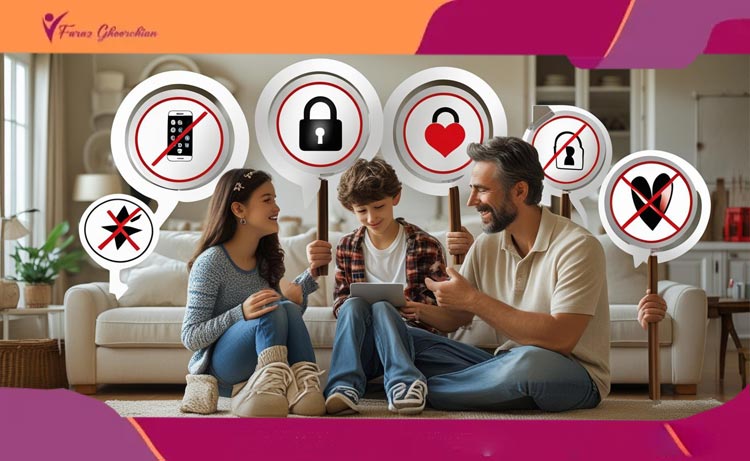
Preventing porn addiction in teenagers isn’t just about blocking websites or installing apps. What really makes a difference is when parents start real conversations about teenage internet safety and porn, showing teens that questions and mistakes are normal. Sometimes it helps to set gentle ground rules about screen time or check in together on what apps and sites are being used. Simple steps like these give teens space to talk about their own worries with teenage exposure to porn and pressures from friends. By understanding the role of parental control and teen porn use, families can strike a balance between privacy and protection. If a teen slips into digital addiction in teenagers, knowing they can ask for help without fear or shame makes all the difference. What matters most is that teens feel heard, not just managed.
How to Talk to Teens About Porn & Bad Habits

How to Talk to Teens About Porn & Bad Habits

Opening up about how to talk to teens about porn and bad habits can feel awkward for everyone, but it’s often the most important step. Teens need to know that teenage exposure to porn isn’t a rare issue and that curiosity or confusion are normal parts of growing up. Instead of launching into a lecture, it’s more helpful to ask what they’ve seen or heard and really listen without judgment. Bringing up adolescent porn use with openness shows teens you’re a safe person to turn to. Use real examples and talk about how bad habits can affect mood, self-esteem, and friendships. Let teens ask tough questions and share their own thoughts. Honest, gentle conversations now make it easier for teens to reach out for help and make thoughtful choices later on.

Help, Counseling, and Real Recovery for Teens

Real help for teens addicted to porn usually starts with small steps. It might be a worried parent who finally asks their teen how they’re feeling, or a young person who bravely mentions what’s been going on. Opening up can feel uncomfortable at first, but these moments are where healing begins. Seeking counseling for teen porn addiction gives teens a safe place to talk, figure out what’s behind their habits, and find practical ways to move forward. Some discover that sharing their story makes them feel less alone, and seeing other teens recover from teen porn addiction can spark real hope. Recovery is a slow process, and setbacks are normal, but even tiny improvements matter. Families may notice a teen smiling more, sleeping better, or simply trying again after a tough day. Over time, the positive effects of quitting porn begin to show through better focus, stronger friendships, and growing self-respect. The most important thing is letting teens know that support is there every step of the way.

Conclusion

Real conversations about porn addiction in teenagers: a hidden problem can change the course of a young person’s life. Sometimes, the effects of porn on teenagers show up in ways that are easy to miss, hidden behind shifts in mood or lost motivation. When parents and teachers openly discuss teenage exposure to porn and listen without judgment, teens are more likely to ask for help. Addressing digital addiction in teenagers isn’t about finding instant answers, but about taking small steps together, building trust, and giving support when it’s needed most. With patience and care, real progress is always possible.

FAQs

  • What are the most common signs of porn addiction in teens?

Changes in behavior such as withdrawal from family, secretive device use, and a decline in school performance may indicate the signs of porn addiction in teens. Other signs include mood swings, loss of interest in hobbies, and spending excessive time online.

  • How does early porn exposure affect the teenage brain?

Early porn exposure risks can impact the teenage brain and porn by disrupting emotional growth and altering how young people experience pleasure and relationships. Ongoing adolescent porn use can increase the risk of developing unhealthy patterns or even digital addiction in teenagers.

  • What steps can parents take to prevent teen porn addiction?

Encouraging open conversations about teenage exposure to porn and setting healthy boundaries around internet use are essential. Parental control and teen porn use often go hand in hand, so checking in on digital habits and discussing online safety can help prevent problems.

  • Is professional help available for teens struggling with porn addiction?

Yes. Many mental health providers offer counseling for teen porn addiction and support for families seeking help for teens addicted to porn. Early intervention can improve outcomes and support real recovery.

  • How can quitting porn impact a teen’s life?

The effects of quitting porn may include improved focus, better relationships, and higher self-esteem. With the right guidance and encouragement, many teens find new motivation and healthier routines.

NoFap vs Quitting Porn; What’s the Difference?

Some people start noticing it before they even have words for it. The spark they used to feel fades, replaced by restless mornings and a lack of focus that sneaks into everything. Over time, the brain’s constant craving for stimulation dulls its natural drive. That is when the hidden impact of porn on dopamine begins to surface. The link between dopamine and motivation is not just science; it is something many feel day to day. Whether someone begins the NoFap journey or is simply focused on quitting porn for mental clarity, it is often about more than just breaking a habit. It is about getting themselves back.

 NoFap Explained: Meaning and Purpose

For many, hearing about NoFap sparks a mix of curiosity and skepticism. What drives someone to try it? One person might say it felt like snapping out of autopilot, suddenly seeing how the old routine of watching porn and seeking instant pleasure quietly shaped their days. When looking at the NoFap movement explained, it’s not just about saying no to porn or masturbation. The deeper NoFap meaning and purpose often centers on rebuilding self-control, clearing mental fog, and getting back a sense of drive that felt lost.

Some want sharper focus at work. Others miss genuine excitement in relationships or are chasing better mood and energy. The heart of NoFap and sexual health is this search for real connection and self-discipline. Still, there’s debate about the question many ask: is NoFap the same as quitting porn? Not quite. Someone might give up porn but not masturbation, or try the reverse. The NoFap journey is personal, full of small victories, setbacks, and new discoveries about what truly motivates change.

Quitting Porn: What Does It Really Mean?

Anyone who has started quitting porn will tell you it’s rarely straightforward. There are mornings when the urge to fall back on old habits feels strong, and other times when even a small success, like clearer thinking or better sleep, feels like a win. At first, the real quitting porn benefits might seem subtle. Someone might notice a bit more mental clarity or a quiet boost in motivation, enough to get through the workday without constant distraction. Understanding how porn affects dopamine and motivation can help explain why these changes feel so significant.

Facing quitting porn addiction often means figuring out what those triggers really are. Is it boredom, loneliness, or just routine? Many find themselves experimenting, trying new routines or hobbies just to fill the gaps. Over weeks, quitting porn for long-term change sometimes transforms relationships, making space for honest conversations and deeper trust. It is not about perfection, and setbacks happen, but each day away from old patterns seems to build a little more self-confidence and hope for something better.

NoFap vs Quitting Porn: Core Differences

Ask ten people about the difference between NoFap and quitting porn, and the stories will often sound surprisingly different. Some jump into NoFap wanting a total reset, while others focus just on removing explicit content. These approaches overlap but their boundaries can really change the experience. Consider a few real-world differences:

  • With NoFap explained, most aim to quit both pornography and masturbation. For many, it’s about rebuilding self-discipline and chasing a new sense of motivation or energy.
  • Quitting porn benefits those who just want to cut out the visual triggers but don’t see masturbation as an issue. This often leads to more mental clarity and a quieter mind.
  • When comparing NoFap benefits vs quitting porn benefits, some say NoFap helps them break other bad habits, while others notice that simply avoiding porn gives relief without feeling deprived.
  • The choice between NoFap vs quitting porn really comes down to what someone’s after: a clean slate, or just a break from the constant cycle.

NoFap Benefits vs Quitting Porn Benefits

The question of NoFap benefits vs quitting porn benefits often comes up for anyone thinking about real change. While the two overlap, each path brings its own results. Here’s how people describe the effects in daily life:

  • NoFap benefits often include more steady energy, better focus, and a noticeable boost in self-discipline. Many find improvements in confidence and a stronger sense of control over urges.
  • Quitting porn benefits may show up as greater mental clarity, improved mood, and less anxiety around sex or relationships. For some, quitting porn for even a short time leads to better sleep and easier motivation.
  • When looking at how NoFap affects the brain, some report sharper memory and emotional stability, while others find that simply cutting out porn brings a calmer mind without feeling restricted.

Sexual Health and Self-Discipline: NoFap’s Unique Angle

People often find that NoFap and sexual health mean something different in real life than it does in theory. There is this moment some describe, where after weeks of the NoFap journey, they notice their mind is less scattered and they are less pulled by old urges. For many, the biggest surprise is how much self-discipline grows in small, daily ways. That connection between NoFap and self-discipline becomes clearer over time, especially when old habits start losing their grip. It could be as simple as actually finishing a project, or finally reaching out to a friend they had lost touch with. Working through NoFap challenges and benefits means facing setbacks too. Not every day feels like progress. But some see their relationships improve, or find intimacy feels more honest and real. Others notice that breaking free from bad habits changes how they respond to stress, giving them a little more control and hope. Over time, these shifts add up, and the rewards reach further than anyone expected at the start.

Can You Do NoFap Without Quitting Porn?

Most people don’t even think about the idea of NoFap without quitting porn until they hear someone else talk about it. For some, NoFap just means skipping masturbation, even if they still watch explicit content sometimes. Others insist that for real change, both have to go. There’s still debate over abstaining from porn vs masturbation, and whether one matters more for motivation or mental health. Is NoFap the same as quitting porn? Not really. Every person’s NoFap journey is shaped by different habits and reasons. Some find that cutting just one is enough for progress, while others eventually decide to give up both. It’s a personal path, not a rulebook.

Which Is More Effective?

People searching for answers about which is more effective, whether NoFap vs quitting porn, often end up with mixed feelings. One person might find that simply quitting porn for long-term change is enough to feel lighter and more focused, especially if constant explicit content was eating away at their motivation. Someone else will say that committing to the whole NoFap journey brings a deeper shift in self-control and energy. There’s no single formula for success. The science about how NoFap affects the brain compared to just stopping porn is still evolving, and much of what’s shared comes from personal stories.

Some feel the effects of quitting porn almost immediately, like their mind is clearer and they’re more present in daily life. Others only notice big changes after pushing through the challenges of full porn recovery vs NoFap journey. Asking “is NoFap effective” really depends on what someone hopes to change and what feels sustainable. In the end, it’s a personal experiment, shaped by goals, setbacks, and the small wins that build momentum over time.

Choosing Between NoFap and Quitting Porn

Making a decision about choosing between NoFap and quitting porn can feel confusing at first. Some people start out thinking they just want a break, only to realize that quitting porn for mental clarity opens the door to deeper changes. Others are drawn to the all-in approach of NoFap, especially if they are hoping to rebuild self-discipline or break patterns connected to dopamine and motivation. The real difference between NoFap and quitting porn starts to show up as people pay attention to their triggers, habits, and daily routines.

There is no single answer that fits everyone. What works for one person may feel impossible for someone else, and that’s perfectly fine. Sometimes, people end up switching approaches once they see what feels sustainable. It helps to be honest about goals and expectations, and not to worry about perfection. In the end, the right path is the one that actually moves someone closer to a sense of freedom, balance, and genuine motivation in everyday life.

Conclusion

Looking closely at how porn affects dopamine and motivation can change the way someone approaches their habits. There’s no single answer when it comes to NoFap vs quitting porn. Some find relief in quitting one, others need to tackle both to notice real shifts in focus or mood. Over time, paying attention to patterns in dopamine and motivation helps people spot what really works for them. Progress isn’t always steady, but small steps add up. Each person has their own way through this, and real change starts with honest reflection and a willingness to try something new.

FAQs

  • What happens to dopamine when someone quits porn?

When a person decides to stop, the brain gradually resets its response to rewards. Over time, dopamine and motivation become more balanced, and daily activities can start to feel enjoyable again without the artificial spike from explicit content.

  • Is there a difference between NoFap vs quitting porn for brain health?

Yes, there is a real difference between NoFap and quitting porn. NoFap usually means giving up both masturbation and porn, which some say brings even greater mental clarity. Others find that just quitting porn is enough to restore focus and boost mood.

  • How long does it take to see the effects of quitting porn?

For most, noticeable changes in energy and motivation can start within a few weeks. Full recovery varies, but many report improved dopamine and motivation after a month or two of commitment.

  • Can quitting porn improve motivation in other areas?

Absolutely. Many people experience not only more mental clarity but also better discipline at work, improved mood, and stronger relationships, showing how powerful the link is between how porn affects dopamine and motivation and overall quality of life.

How Porn Affects Dopamine and Motivation; The Hidden Impact on Your Brain and Drive

Introduction: The Hidden Cost of Easy Pleasure

Not everyone realizes just how much porn and dopamine release shape daily motivation until they notice changes creeping into real life. Maybe someone finds it harder to get excited about things that used to bring joy or struggles to focus at work. That’s where the real story of how porn affects dopamine and motivation starts. The brain’s reward system gets tuned to those instant dopamine spikes triggered by porn, and after a while, even small achievements can feel less rewarding. It’s a shift most people never see coming.

What is Dopamine? The Brain’s Motivation Molecule

Ever wonder why that little burst of excitement shows up when someone gets good news or achieves something meaningful? That is dopamine at work. In the brain, dopamine acts like a motivator, nudging people to chase goals and find pleasure in everyday life. When it comes to the dopamine and pleasure response to porn, things get complicated fast. Some notice after too much screen time, other rewards lose their sparkle. Those are real brain chemistry changes from porn use, and they sneak up slowly. Over time, it gets tougher to keep a healthy balance and dopamine regulation and porn addiction start to connect in unexpected ways.

How Porn Triggers Dopamine Release

It’s almost surprising how quickly the brain responds to new and exciting images online. For many, just one click can set off intense dopamine spikes triggered by porn. That feeling might seem harmless at first, but porn and dopamine release actually build a shortcut in the brain’s reward pathways. What used to require real effort or genuine connection now gets replaced with instant stimulation. Some people realize, after a while, that porn’s effect on reward system makes other things in life feel dull by comparison. This impact of porn on brain dopamine levels keeps growing with every repeat experience, slowly shifting what the brain sees as rewarding. The end result? It gets much easier to lose interest in simple joys or even struggle to find motivation for things that used to matter.

The Neurological Effects of Porn: What Science Reveals

Ask around and you’ll find not everyone notices the neurological effects of porn right away. Sometimes it takes a while for the changes to surface. But digging into research on the impact of porn on brain dopamine levels and brain chemistry changes from porn use reveals a few surprising realities:

  • Some people find they need more and more stimulation just to feel the same dopamine and pleasure response to porn
  • Everyday joys, like eating a favorite meal or spending time with friends, can start to feel dull. That’s a classic sign of dopamine imbalance caused by porn
  • The brain actually begins to adjust, and this can lower porn and dopamine receptor sensitivity over time
  • Oddly enough, even goal-setting or staying focused can turn into a struggle once the habit becomes part of the routine

These shifts can be slow and subtle, but for many, the difference is real.

Dopamine Desensitization and Porn: The Path to Numbness

A lot of people describe dopamine desensitization from porn like turning down the volume on life. What once brought a rush now barely registers. It’s almost confusing at first. Why do ordinary things feel so flat? As the brain chases those big, fast rewards, a subtle dopamine imbalance caused by porn can sneak in. Suddenly, a favorite meal tastes boring or hanging out with friends just feels off. That’s not just mood; it’s real science. Research into porn and dopamine receptor sensitivity shows how these repeated highs can actually reshape what the brain responds to. Little by little, the brain chemistry changes from porn use start to show up everywhere. One day, someone might realize that even simple motivation is harder to find, as if their natural spark is on low and nothing really excites them anymore.

Motivation Loss Due to Porn Addiction

Some people are honestly surprised at how motivation loss due to porn addiction creeps in. At first, it might look like laziness or just being tired, but after a while, even simple tasks seem exhausting. One guy described it as sitting at his desk, staring at his to-do list, and just not caring. This is where porn’s impact on goal-directed behavior gets real. Everyday responsibilities lose their meaning, and it’s tough to feel proud of anything. The deeper neurological effects of porn can leave someone feeling stuck, as if the brain has forgotten what effort feels like. When researchers look at how porn affects motivation and explore dopamine imbalance caused by porn, the evidence adds up: ambition doesn’t just fade. It gets replaced by an itch for the next easy reward, making old dreams feel far away.

Behavioral Addiction: When Porn Becomes Compulsive

Not everyone expects porn and behavioral addiction to creep up so quietly. What starts as a harmless habit can slowly shift into something much harder to control. People often notice they keep coming back, even when they promise themselves to stop. This is the nature of dopamine addiction and porn. The mind gets trained to chase that burst of pleasure, even if real life starts to suffer. Studies on the neurological effects of porn suggest that the more often someone gives in to urges, the deeper the pathways become. It’s not just a lack of willpower; it’s a real change in how the brain works. Over time, this cycle can lead to routines that feel nearly impossible to break, leaving motivation and focus running on empty.

The Vicious Cycle: Bad Habits and Dopamine Rewiring

It’s wild how a single routine can spiral into a bunch of bad habits without anyone really noticing. One person said it felt like waking up one day and realizing that his favorite song just didn’t hit the same way anymore. That’s part of how porn rewires brain dopamine pathways. Each quick hit, each easy reward, makes those patterns stronger in the brain, and suddenly, normal life feels dull. The dopamine and pleasure response to porn takes center stage, crowding out satisfaction from everything else. People might wonder why it’s so hard to break the cycle, but this ongoing rewiring leaves a mark. Over time, genuine pleasure gets harder to find, and everyday activities require way more effort. Recognizing this cycle is the first real step toward breaking free.

Mental Fatigue and Motivation Drain from Porn Use

Some describe mental fatigue and porn use like walking through a fog that just will not lift. Even with a full night’s sleep, the day starts out slow, and by afternoon, it’s a battle to keep focus. This goes beyond ordinary tiredness. Those repeated dopamine spikes triggered by porn can zap the mind’s energy in ways that sneak up on people. Suddenly, motivation loss due to porn addiction becomes obvious. Chores pile up, projects stall, and goals get pushed aside. It is not just a mood swing. Studies on brain chemistry changes from porn use show that this kind of tiredness is real, with deep roots in the way dopamine pathways are wired over time.

Why Most People Relapse After Quitting Porn

Quitting is tough, and Why Most People Relapse After Quitting Porn is a question that hits close to home for many. Sometimes it’s not just about willpower. Old routines show up when you least expect them, and cravings can hit out of nowhere. You might not even notice you’re slipping back until it’s already happened. That’s the sneaky part of dopamine regulation and porn addiction. The brain remembers those quick rewards and pushes for more. Researchers looking at dopamine addiction and porn say it takes real patience and sometimes lots of small, awkward steps to break free and start feeling normal rewards again.

Overcoming Dopamine Addiction from Porn

Overcoming dopamine addiction from porn is rarely simple, and most people have days when progress feels impossibly slow. After so many dopamine spikes triggered by porn, the brain almost forgets how to respond to real-life pleasure. One person described sitting in a quiet park, waiting for something, anything, to feel exciting again. Early on, it’s normal to feel frustrated. These moments are signs that dopamine regulation and porn addiction are beginning to shift. Doing things like reconnecting with friends, picking up an old hobby, or even just making it through the day helps reverse the brain chemistry changes from porn use. Each small win matters, even if it feels minor. Over time, the signs of motivation recovery after quitting porn become clearer. That old urge fades, and genuine enjoyment from ordinary life starts to show up again, bit by bit.

Effects of Quitting Porn: Rewiring Motivation and Enjoyment

For many, the effects of quitting porn show up in quiet, unexpected ways. One man said he didn’t realize how flat life had become until he found himself laughing more with friends. Some common changes people talk about include:

  • Motivation recovery after quitting porn that makes it easier to get started on tough projects
  • Natural rewards, like a great meal or a run, start to feel more satisfying as the old dopamine and pleasure response to porn fades
  • Mood swings settle down, and people notice a steadier sense of well-being from better dopamine regulation and porn addiction recovery
  • Focus and energy improve as the brain finds a better balance
  • Small pleasures feel genuine again, showing that those deep brain chemistry changes from porn use really can heal

Conclusion: Reclaiming Your Drive and Dopamine Health

Understanding how porn affects dopamine and motivation can really change the way someone sees their own habits. One person described feeling a slow return of joy, like finally looking forward to their mornings again. As the brain recovers from a dopamine imbalance caused by porn, the old cravings get quieter, and real motivation starts to show up. Simple things, like a walk outside or finishing a task, begin to feel rewarding again. With each step toward better dopamine regulation and porn addiction recovery, life gets a bit more balanced and hopeful, making real motivation recovery after quitting porn feel possible.

FAQs

  • What is the connection between porn and dopamine release?

Porn and dopamine release are closely linked. Porn stimulates fast, intense dopamine spikes that can rewire how the brain reacts to pleasure.

  • How does porn’s effect on reward system impact daily life?

Repeated exposure to porn can dull the brain’s response to everyday rewards, making normal activities feel less satisfying. This is part of dopamine desensitization from porn.

  • Can motivation recovery after quitting porn really happen?

Yes, studies show that with time away from porn, the brain’s reward pathways can heal. Many people notice real motivation recovery after quitting porn as brain chemistry changes from porn use begin to reverse.

  • What makes quitting so hard?

The cycle of dopamine addiction and porn creates strong cravings, making willpower alone difficult. Support and new routines help the brain rebuild healthy patterns.

Why Most People Relapse After Quitting Porn

Why Most People Relapse After Quitting Porn; Uncovering Causes & Building Lasting Change

Introduction: The Hidden Struggle Behind Relapse

For a lot of people, quitting doesn’t go how they imagined. There are days when the urge just creeps in out of nowhere. Maybe someone’s had a fight with a friend, or they’re just exhausted and the old triggers for porn relapse pop up. Sometimes, what starts as a bit of restlessness grows into something heavier. Most never expect how deeply emotional reasons for porn relapse or even small changes in mood can tug at them. It’s weird how the addiction cycle and porn relapse seem connected to memories or routines. Spotting those early signs of relapse is tricky, and honestly, figuring out how to avoid porn relapse feels different for everyone.

The Addiction Cycle and Porn Relapse Explained

The Addiction Cycle and Porn Relapse Explained

Most people think quitting is as simple as cutting something out, but the truth feels much more tangled. The addiction cycle and porn relapse almost sneak up, looping through the same patterns over and over. It might start with a weird, restless tension or maybe just boredom. Suddenly, the old urge comes back and before anyone really knows it, routines take over. Later, when regret sets in, it just seems to make things harder. There’s this odd mix of shame and frustration that isn’t easy to talk about. Understanding why people relapse after quitting porn often means looking at what happens in these quiet, unnoticed moments. Sometimes, even recognizing the early signs of relapse feels impossible, because the mind finds ways to justify old habits. It’s often the hidden psychological factors in porn relapse that make breaking free such a challenge, but once someone notices the pattern, things slowly start to shift.

Recognizing Early Signs of Relapse

Sometimes the early signs of relapse slip in quietly. Someone might catch themselves mindlessly reaching for their phone late at night or zoning out in front of a screen, not really knowing why. It is not always obvious at first, especially when old habits or random triggers for porn relapse just show up after a long day. Some notice their mood shifting or feel a wave of restlessness they cannot quite name. Looking back, it is often these little changes that hint at the common causes of porn relapse. By paying attention to those tiny red flags, it gets easier to stop the cycle before it starts all over again.

Common Causes of Porn Relapse

Common Causes of Porn Relapse

Ask anyone who has tried to quit, and they will probably have their own stories about what went wrong. The common causes of porn relapse are rarely obvious at first. Sometimes, it starts with something small:

  • A tough day at work can lead to a quiet urge for comfort and suddenly old routines resurface
  • Boredom or that weird feeling of emptiness can bring out familiar triggers for porn relapse when least expected
  • Hanging out in places where old bad habits happened makes it much harder to resist
  • For some, the biggest struggle comes from inside, like nagging doubts or harsh self-talk, showing just how deep the psychological factors in porn relapse really go
  • Oddly enough, doing well for a while sometimes makes people let their guard down, not realizing how easy it is to slip

Most people do not notice these reasons for porn relapse until they look back later.

Triggers for Porn Relapse & How to Manage Them

People rarely expect how sneaky their triggers for porn relapse can be until they are right in the middle of them. Sometimes it is an argument at home or just feeling stressed after work. Other times, simple boredom or scrolling through familiar websites turns into trouble before anyone realizes it. These relapse triggers come in so many forms, from emotional lows to little habits that never seemed important. Some discover that their own reasons for porn relapse are connected to old routines or even certain times of day. Paying close attention to these details matters. Writing down when cravings hit or noticing what sets them off can help identify the common causes of porn relapse. Over time, learning about these patterns makes it easier to build new routines, change up the environment, or even reach out for help when those psychological factors in porn relapse start to creep in. This kind of awareness is a huge part of learning how to manage urges in real life.

Psychological Factors in Porn Relapse

Psychological Factors in Porn Relapse

Anyone who has struggled with relapse knows it is not just about outside stuff. Sometimes the real battle is in the mind. Some of the psychological factors in porn relapse just sneak up unexpectedly, making everything harder. For example:

  • The brain gets so used to that rush of instant pleasure, it feels almost wired for it
  • Self-doubt or shame creeps in, and suddenly escape seems like the easy answer
  • Stress from work, school, or even loneliness makes old routines look comforting
  • A rough patch can lead to negative thinking, where it feels like real change is impossible
  • Even just trying to fight urges all the time can leave someone tired, second-guessing themselves

Naming these things and recognizing how emotional reasons for porn relapse fit in is part of overcoming urges after quitting porn, especially when everything feels a bit chaotic.


Emotional Reasons for Porn Relapse: The Role of Stress

Most people do not realize how much stress can shape the emotional reasons for porn relapse until it sneaks up on them. The connection is not always clear at first, but certain patterns start to show:

  • There are nights when anxiety keeps someone awake, and cravings come out of nowhere
  • Arguments with family or rough days at work often send people looking for something that feels good, even for a moment
  • Feeling isolated, disappointed, or just worn out makes triggers for porn relapse seem even stronger
  • Sometimes stress just builds quietly in the background, and before long, old routines feel automatic
  • The frustration of slipping back can feed those same psychological factors in porn relapse, making it all feel harder and affecting overall relapse and mental health

The connection between stress and porn relapse becomes clearer over time, and seeing these links early helps someone handle stress in healthier ways and lowers the odds of falling into the same patterns.

The Impact of Habits and Environment

The Impact of Habits and Environment

It is surprising how much the little things shape the role of habits in porn relapse. Most people do not notice it right away, but small routines and the places they spend time really add up. Consider these real-world examples:

  • Slipping back into familiar late-night rituals can quietly restart old triggers for porn relapse, even when someone is trying to do better
  • Leaving old accounts active or hanging onto certain devices can invite the same common causes of porn relapse back in, often without much thought
  • Sometimes friends or roommates just do not get it, making it harder to stick with changes
  • Trying to overhaul every habit at once usually backfires, leading to frustration
  • Even one or two Daily Habits That Help You Quit Porn can slowly tip the odds toward progress, especially when practiced consistently

Changing a few pieces of the environment sometimes matters more than pure willpower.

Relapse Prevention Strategies: Building Real Resilience

Nobody figures out the best relapse prevention strategies on the first try. It is usually trial and error, with some ideas sticking better than others. Building real strength comes from paying attention to what actually works, not just what sounds good on paper. These small efforts are part of building resilience against relapse, even when progress feels slow. Some people find help in the following ways:

  • Texting a friend or accountability partner the minute a trigger for porn relapse pops up, just to break the isolation
  • Switching up routines on purpose, even if it feels awkward, to interrupt the addiction cycle and porn relapse before it takes over
  • Putting blockers on certain websites so the common causes of porn relapse are less tempting late at night
  • Jotting down thoughts or small wins each day, making it easier to spot the early signs of relapse hiding in plain sight
  • Moving the body with a walk or some stretching since energy and mood are tightly linked
  • Rereading stories about the real effects of quitting porn on mental clarity and motivation as a reminder that the struggle is worth it

Over time, these little choices start adding up and make the hard days a bit more manageable.

Coping with Porn Relapse & Recovery Tips

Coping with Porn Relapse & Recovery Tips

Most people who struggle with setbacks know how rough a porn relapse can feel. Still, bouncing back is possible. Here are a few relapse recovery tips that seem to help, even on the worst days:

  • Instead of beating themselves up, some people try to look at what happened with curiosity, using each slip as a clue about their own relapse triggers and how to manage them
  • A quick text or call to a friend can break the cycle of silence and make the weight feel lighter
  • Getting back into a daily routine, no matter how small, often helps with momentum
  • It is easy to let harsh thoughts take over, but showing a bit of self-kindness really fights those stubborn psychological factors in porn relapse
  • Some even jot down their own list of relapse prevention strategies for the next time urges show up

Relapse never feels good, but every honest effort to get up again builds a little more strength for tomorrow.

The Impact of Relapse on Quitting Porn

Sometimes the impact of relapse on quitting porn feels like a punch in the gut, even when it is just one bad night. Many people start to think they have lost all progress, but that is not really how it works. If you look at real porn relapse statistics, almost everyone has some stumbles along the way. A setback often shines a light on hidden reasons for porn relapse that never got noticed before. Instead of writing off all that effort, some use these moments as a reset button, a chance to figure out what helps and what hurts. The whole process is more about persistence than perfection.

Conclusion: Moving Forward with Confidence

After a while, it starts to make sense that why most people relapse after quitting porn is a bigger, messier question than it sounds. Nobody expects the common causes of porn relapse to pop up at the oddest moments, but they do, and sometimes it just throws the whole day off. Those weird, personal triggers for porn relapse never seem obvious until they show up, and even then, catching the early signs of relapse takes some practice. Some days, all those relapse prevention strategies feel like too much, but sticking with even one or two can help a person find their footing again. In the end, figuring it out looks different for everyone, and that’s actually okay.

FAQs

  • What are the most common causes of porn relapse?

Most people run into common causes of porn relapse like boredom, stress, or slipping back into old routines. Even positive events can be unexpected triggers.

  • How can someone recognize early signs of relapse?

Early warning signs include restless moods, avoiding responsibilities, or suddenly spending more time alone. Noticing these can help catch the pattern before it takes hold.

  • Do relapse prevention strategies really help?

Yes, practical relapse prevention strategies like building new habits, reaching out for support, and planning for triggers for porn relapse make a real difference over time.

  • Is relapse normal during recovery?

Looking at porn relapse statistics, most people face setbacks at least once. What matters most is learning from them and moving forward.

Daily Habits That Help You Quit Porn; Practical Routines & Real Change

Introduction: Why Daily Habits Matter in Quitting Porn

There’s something surprisingly personal about building daily habits to quit porn. Most people don’t wake up one morning and magically feel free from old routines. It’s usually a messy start. Some mornings feel hopeful, while others bring back familiar urges. Maybe it means experimenting with different methods to quit porn addiction, or trying out a few mental exercises to quit porn that just feel odd at first. Sticking to a new daily routine for quitting porn takes patience, and the wins are often quiet. Sometimes it’s the small, steady changes, or borrowing a friend’s idea for strategies to stop watching porn, that make the real difference. Over time, all these little efforts slowly add up.

Understanding Porn Addiction: The Power of Habits

Most people hardly notice how habits sneak up until overcoming porn addiction turns into a real challenge, not just a goal. One day it’s just another late-night scroll, and the next, those same old routines feel like they’re running the show. People might try different methods to quit porn addiction, sometimes bouncing between what seems to help and what doesn’t really stick. For many, swapping out old rituals for healthy habits for quitting porn feels awkward at first. But with time, little things change. The morning feels less foggy, and the mind starts to clear. That’s usually when the first effects of quitting porn show up, almost quietly, tucked into the ordinary parts of life.

Beginner’s Guide: Starting with Small Changes

Starting out can feel overwhelming, but anyone new to this journey quickly learns that small, steady steps really matter. In most cases, a simple beginner’s guide to quit porn does not involve huge lifestyle overhauls overnight. Instead, progress comes from adding little routines, like setting a time to put away screens or writing down triggers at the end of the day. These changes help lay the groundwork for a daily routine for quitting porn and open up space for healthier patterns. Experimenting with daily habits to quit porn and adjusting as needed is not just practical, it’s how real change begins for most people facing this challenge.

Building a Daily Routine for Quitting Porn

A solid daily routine for quitting porn rarely falls into place all at once. It is usually built through a series of experiments, some half-failed mornings, and the occasional late-night slip-up. Most people notice that cravings are strongest when days lack structure, so they start small, maybe jotting down a to-do list over breakfast or turning off their phone an hour before bed. For some, these little moves such as setting a screen limit, prepping for the next day, or squeezing in a stretch after dinner become the backbone of their own healthy habits for quitting porn.

Trying out different strategies to stop watching porn is often a process of figuring out what fits into real life, not some perfect schedule. Some find comfort in simple daily habits to quit porn, like calling a friend in the afternoon or planning a walk after work. Bit by bit, these honest routines start to fill in the old gaps, making space for better patterns and eventually helping each day feel just a little more possible.

Healthy Habits for Quitting Porn: The Foundations

Building up healthy habits for quitting porn can feel awkward at first, but these small changes really do make a difference. It is often the ordinary things that matter most. People who stick with alternative habits to quit porn find they slowly build resilience and confidence, even when progress feels slow. For anyone just getting started, the following habits often come up as game-changers:

  • Making sleep a real priority, sometimes by shutting off devices early or reading before bed
  • Moving the body daily, whether that is a brisk walk, a quick workout, or just stretching to shake off stress
  • Eating regular, balanced meals to avoid energy crashes and irritability
  • Trying out mental exercises to quit porn, such as jotting down thoughts or doing a few minutes of focused breathing
  • Drinking water throughout the day, since feeling good physically helps with self-control

These basics might seem unremarkable, but they quietly build the strength needed for real change.

Mental Exercises and Mindfulness for Lasting Change

Real change with quitting porn usually has a lot to do with what goes on inside the mind. People who stick with mental exercises to quit porn find that it is not about controlling every thought, but about learning to sit with discomfort until it passes. Most start simple and get a bit creative with their routine. A few practices that show up again and again in stories of real progress:

  • Spending a few quiet minutes on meditation to quit porn, just following the breath or listening to calming sounds
  • Trying urge surfing, which means noticing cravings as waves and letting them rise and fall
  • Writing things down in a journal, especially after slips or small wins
  • Using quick techniques to quit porn like pausing to stretch or naming the craving, even out loud
  • Checking in with mood and stress every evening for better stress management in quitting porn

What matters most is sticking with it, even when it feels awkward or slow. That is how the shift begins.

The Role of Physical Activity: Exercise and Focus

Physical movement is often overlooked at first, but for many trying to stick with healthy habits for quitting porn, it turns into something of a secret weapon. There is a certain relief that comes from a brisk walk after work or stretching out stiff muscles first thing in the morning. Over time, these simple actions deliver clear exercise benefits for quitting porn such as reduced stress and a way to release restless energy that might otherwise lead to temptation.

Those starting a new daily routine for quitting porn sometimes realize that exercise is what helps them reset their mind when cravings sneak up. Some might take up yoga, others prefer biking, and a few just rely on a quick run to clear their head. Regular physical activity not only boosts energy but also plays a big part in improving focus to quit porn, making it easier to stay present and grounded. Even small steps with movement often support overcoming porn addiction in unexpected ways.

Managing Porn Cravings: Strategies and Real-Life Tools

Dealing with cravings is something almost everyone faces when working on overcoming porn addiction. Some days, the urge can show up out of nowhere, making it tough to remember good intentions. The real breakthrough comes from having a handful of strategies to stop watching porn that actually fit into daily life. Most people find it helps to swap old bad habits for new rituals, even if it feels awkward at first. Over time, little tricks and routines begin to make a difference. A few that tend to stick:

  • Keeping a short list of distractions nearby, like favorite songs or a puzzle to tackle
  • Using quick techniques to quit porn, such as walking around the block or just getting out of the room
  • Trying out mental exercises to quit porn when a trigger hits, like pausing to notice five things in the room
  • Setting up a space that feels safe and clear of temptation
  • Checking in with someone trusted or leaning on a support group for preventing porn relapse

The more these tools become second nature, the easier it gets to ride out the tough moments.

Social Support and Tracking Progress: Staying Accountable

Almost everyone who manages real progress finds out, sooner or later, that social support for quitting porn is what holds them up on the roughest days. Sometimes it’s a group chat with a couple of old friends or just one trusted person willing to hear the truth without judgment. Those small check-ins, like a text after a hard night or a quick call when temptation hits, seem ordinary but truly help lift the isolation that often comes with this struggle.

Equally important is the habit of tracking progress quitting porn, even if it is messy or inconsistent at first. Some jot notes in their phone, others mark an X on the calendar, and a few simply talk through their week out loud to themselves. Watching patterns emerge brings some clarity and over time helps with preventing porn relapse before it sneaks up. These small acts of staying accountable, paired with honest conversations, also shed light on bigger issues like The Link Between Porn and Anxiety. The journey is easier with a little support and a record of how far one has come.

Motivation and Sleep: The Unsung Heroes

Motivation is strange. It can be strong in the morning and gone by the afternoon, especially for anyone trying to change habits. That is why finding little motivation tips to quit porn really matters, like making a list of reasons to keep going or celebrating even the smallest win. Sleep, too, is easy to underestimate. People often forget just how much sleep importance in quitting porn affects their mood and self-control. It is almost impossible to make good choices or resist cravings when tired. Over time, getting enough rest and holding on to small moments of inspiration quietly help more than most expect.

Conclusion: Turning Habits into Lasting Freedom

Big changes never come overnight, and most people working on overcoming porn addiction end up discovering that it is really about the small things done over and over. Some days it feels natural to follow through on new routines, while other days it takes a real push to keep going. Returning to simple daily habits to quit porn, leaning on support, and even trying out fresh motivation tips to quit porn slowly makes the path feel less lonely. Over time, these habits settle in and the idea of lasting freedom starts to feel more real through one honest effort at a time.

FAQs

1- What are the best daily habits to quit porn?

Healthy routines like regular exercise, mindful breathing, and scheduled offline time are practical habits. Tracking progress and seeking social support for quitting porn also make a big difference.

2- How can someone deal with strong cravings?

Quick distractions, such as stepping outside or calling a friend, along with mental exercises to quit porn, are helpful. It is also wise to recognize triggers early and plan for tough moments.

3- What if there is a relapse?

Relapses can happen. Focusing on preventing porn relapse by learning from setbacks and returning to healthy routines is key. Each new attempt strengthens the path to lasting change.

4- Why does sleep matter?

Prioritizing sleep importance in quitting porn boosts self-control and helps the mind recover, making other changes easier to maintain.

The Link Between Porn and Anxiety; Untangling Science, Symptoms & Solutions

Introduction: Why Talk About Porn and Anxiety?

Sometimes a person stumbles across a headline about the link between porn and anxiety and pauses, thinking back to nights spent scrolling or mornings clouded by worry. It’s easy to shrug off the idea that something as private as screen time could really affect mental health, but stories keep popping up. Friends mention anxiety symptoms linked to porn use, or a partner wonders if constant stress means something more. The conversation isn’t always comfortable. Still, looking closer at the link between porn use and anxiety opens up space for honest questions and maybe even a bit of relief for those who want to understand their own patterns just a little better.

Understanding the Link Between Porn and Anxiety

Anyone digging into the link between porn and anxiety quickly sees it isn’t just a simple yes or no question. For some people, noticing the link between porn use and anxiety comes quietly, like an unsettled feeling that sneaks up after another late-night session online. There might be a moment when anxiety symptoms linked to porn use suddenly make sense. It could be a racing heart before work or a sense of dread that’s tough to trace. Understanding what causes anxiety from porn use isn’t always straightforward, but patterns do emerge over time. Sometimes the porn addiction anxiety relationship only gets real after habits shift from casual to almost automatic, when screen time starts to edge out sleep or even time with friends. People might brush these signs aside, blaming stress or routine. Still, studies on porn and anxiety are starting to say otherwise. The details aren’t always clear-cut, and no two stories look the same. Yet one thing stands out: taking an honest look at personal habits and emotional changes often reveals patterns that textbooks alone cannot explain.

How Does Porn Cause Anxiety? Mechanisms & Triggers

Sometimes anxiety just slips in the back door. Someone might find themselves reaching for their phone again and again, not even sure why, until the habit feels strangely heavy. The link between porn and anxiety isn’t always obvious from the start. For a lot of people, it’s those quiet evenings or random lonely moments that turn into triggers. Compulsive porn use anxiety can show up as a racing mind, a burst of nerves before work, or a weird emptiness that doesn’t go away after the screen is off. Scientists talk about the neurological effects of porn on anxiety, but honestly, most folks don’t notice chemical changes. They just see how old patterns start to mess with sleep, focus, or even confidence. If someone’s picking up on these patterns, they might wonder about their own bad habits, and suddenly a lot of things make more sense. Triggers for anxiety in porn users aren’t rare, and secrecy only adds fuel to the fire. Naming what’s happening is the first step out of the fog. Sometimes it takes talking, sometimes just paying closer attention, but nobody figures it out alone.

Recognizing Anxiety Symptoms Linked to Porn Use

Sometimes the early anxiety symptoms linked to porn use are so ordinary, they’re easy to overlook. A person might start snapping at loved ones or lose focus at work, chalking it up to just being tired. Other times, there’s this low-level worry or even a sense of dread that hangs around after watching, but it doesn’t always seem connected. In some cases, what feels like random nerves or trouble sleeping might actually hint at a deeper porn anxiety disorder. Even small things, like feeling jumpy in social settings or noticing weird mood swings, can be part of the porn addiction anxiety relationship. For many, it sneaks up slowly, hidden inside everyday routines, and only later do they start connecting the dots back to their own mental health. Noticing these changes early can be a relief, a first real clue that things might actually get better with the right support.

Compulsive Porn Use and Anxiety: A Vicious Cycle

Sometimes the hardest part about compulsive porn use anxiety is how quietly it sneaks into everyday life. Someone might not even notice the pattern at first. One rough day turns into another, and reaching for distraction becomes second nature. What starts as a quick fix can spiral, and suddenly the old worries don’t disappear? They just shift into new ones. That’s the strange thing about the porn addiction anxiety relationship: it feeds on itself. The more someone relies on that escape, the heavier their mood gets, even if it doesn’t make sense at the time. For adults, it’s easy to blame outside stress or busy schedules, but sometimes the anxiety linked to porn use in adults is the quiet thread running through it all. People might notice their mental health slowly changing, or maybe relationships start to feel distant. Recognizing this cycle can feel unsettling, but it’s the first sign that things can actually change if someone’s willing to look honestly at what’s happening.

Porn Use and Anxiety in Teenagers and Adults

The way porn use and anxiety in teenagers shows up can be subtle, sometimes hidden behind late-night phone time or dropping grades. Teens often keep their worries quiet, but the connection is there. A sense of unease may follow after viewing, along with trouble sleeping or even increased social anxiety linked to porn use. These changes might look like mood swings, less interest in friends, or just feeling stuck. For adults, the picture can be different but just as real. The anxiety linked to porn use in adults sometimes appears as irritability, distance in relationships, or the feeling that something is off but hard to name. It is common for grown-ups to notice small improvements after stopping, sometimes referred to as the effects of quitting porn. The link is not always obvious at first, but patterns tend to reveal themselves over time. Whether it is teens or adults, paying attention to these shifts makes it easier to find support, understand what is driving the anxiety, and start building better habits for mental health.

Porn Use and Relationship Anxiety

It’s surprisingly common for porn use and relationship anxiety to show up in small ways first. Maybe one partner feels a bit more distant, or there’s a strange tension that wasn’t there before. Sometimes, after viewing, little worries pop up about trust or being truly understood. It is not always easy to link these feelings to porn use and mental health at first, since people often blame outside stress or everyday life. For some, talking about it feels risky, almost as if the words will make things worse. That kind of anxiety has a way of settling between two people, changing the mood in subtle but powerful ways. The good news is that simply naming the connection between porn use and relationship anxiety can break the silence. Once it’s out in the open, many find it easier to rebuild trust and bring back a sense of closeness that anxiety had quietly pushed aside.

Overcoming Anxiety Caused by Porn

Getting past the weight of anxiety brought on by porn isn’t something that happens in a straight line. A lot of people start by just admitting they feel stuck or overwhelmed, then try to figure out what sets off those feelings. For some, that might mean scribbling down worries in a notebook, while others talk things out with someone who gets it. When it comes to overcoming anxiety caused by porn, small wins count. Maybe that looks like spending more time outdoors or slowly changing up old routines. There is no single rule for preventing anxiety caused by porn use. Sometimes help comes from therapy, sometimes from a trusted friend, or even a late-night internet forum. Tools for anxiety help for porn addiction are different for everyone, but most people find progress when they focus on learning how to create a porn-free lifestyle that actually feels good. If things get messy or progress stalls, that is normal too. What matters is noticing the little changes and not giving up.

Therapy, Education, and Support for Porn Addiction Anxiety

Getting a grip on porn addiction anxiety can feel lonely at first, but reaching out for help changes everything. Some find real relief in therapy for porn addiction anxiety, where a good counselor doesn’t just hand out advice, but listens and helps connect the dots between everyday stress and old habits. For families, starting conversations and educating teens about porn and anxiety can be awkward, but it matters more than most realize. Sometimes a teenager opens up in the car or late at night, and just being heard is huge. Not everyone wants to talk face-to-face, so support groups for porn addiction anxiety fill that gap. These groups let people vent about setbacks, share wins, or just sit and listen. The stories are often a mix of compulsive porn use anxiety, relationship worries, and even the awkwardness of social anxiety linked to porn use. There is no one-size-fits-all fix, but mixing honest therapy, real education, and that rough-around-the-edges peer support can make a life-changing difference in mental health for anyone willing to give it a try.

Conclusion: Taking Back Control

There’s no magic formula for handling the link between porn and anxiety. Most days, it is messy and sometimes progress seems invisible. Someone might wrestle with compulsive porn use anxiety one week, then notice just a few quiet anxiety symptoms linked to porn use the next. For others, the porn addiction anxiety relationship shows up in unexpected ways, like a restless night or a sudden urge to check out from real life. Even on rough days, just trying counts. Honest conversations, a little patience, and the willingness to look at what is really happening make all the difference. Over time, these small steps can bring a sense of control back, even if it does not happen all at once. That is what real change tends to look like in everyday life.

FAQs

1- Does porn cause anxiety, or is it just a myth?

Research on the link between porn and anxiety suggests there is a real connection, especially for people who already struggle with stress. While not everyone is affected in the same way, studies on porn and anxiety show that frequent use can increase anxious feelings for some individuals.

2- What are common anxiety symptoms linked to porn use?

People might notice trouble sleeping, mood swings, or even restlessness. Sometimes, the signs are subtle, like feeling on edge or having a hard time concentrating after viewing. Recognizing these symptoms early can help address the porn addiction anxiety relationship.

3- Can compulsive porn use anxiety be treated?

Yes, support is available. Therapy for porn addiction anxiety and joining support groups for porn addiction anxiety have helped many people manage symptoms and build healthier habits.

4- Are teenagers and adults affected differently by porn use and mental health issues?

Both groups are vulnerable, but teenagers might experience more issues with social anxiety linked to porn use, while adults often struggle with relationship stress and emotional distance.

5- What can be done to prevent anxiety caused by porn use?

Education, self-awareness, and honest conversation are key. Learning about the neurological effects of porn on anxiety and getting anxiety help for porn addiction make it easier to break harmful patterns and take positive steps forward.

Is Watching Porn Really Harmful? Science, Health & Reality

Introduction: The Big Question About Porn

Is watching porn really harmful? The answer is rarely black and white. For some, the cultural impact of pornography is obvious in daily life, changing how people talk about sex and relationships behind closed doors. In therapy sessions, concerns about porn addiction and mental health come up just as often as stories about trust and disappointment linked to porn and relationship problems. Scientists point to brain changes in certain cases, while many shrug it off as harmless. What stands out is how much the experience varies. This article sorts through the latest research and real stories, aiming to make sense of why the effects of porn can be so different for men, women, and teenagers.

Is Watching Porn Really Harmful? Separating Myth from Fact

Ask five people, “Is watching porn really harmful?” and the answers will probably sound nothing alike. Some remember hearing about the cultural impact of pornography in school or at home, warning of brain changes and lost motivation. Others shrug, saying it is just modern entertainment. In recent years, psychologists have raised concerns about porn addiction and mental health, especially as the effect of easy access to porn leaves teenagers exposed early. A therapist once noted that what stands out isn’t just the research on brain changes from watching porn but the stories of people who suddenly lose drive or notice porn and motivation loss. For many, the real struggle lies in sorting out what is hype and what is actually backed by science.

Brain Changes from Watching Porn: What Science Shows

People who have spent time reading or talking about brain changes from watching porn will tell you it rarely feels like a textbook case. A high schooler might notice their motivation slip away after months of late-night scrolling, tying their struggle to both porn and motivation loss and suddenly worse grades. Others describe feeling detached or restless in real relationships, with porn and relationship problems slowly crowding out what used to feel normal. Therapists often see clients battling a tangle of porn addiction and mental health issues, sometimes including sadness, anxiety, or even trouble sleeping. Women, not just men, quietly share stories of porn and sexual performance anxiety or lowered confidence. The patterns are rarely neat. Some teenagers say watching porn and sleep quality go hand in hand, as tired mornings follow restless nights. The one thing that stands out? Many say the effects of quitting porn feel almost like waking up again, with energy and focus finally returning.

Porn Addiction and Mental Health: Where’s the Line?

Conversations about porn addiction and mental health have a way of veering into uncomfortable territory, especially when someone admits feeling stuck. A college friend once shared that his late-night routine turned from a simple distraction into something heavier, marked by a quiet shame and sudden porn and motivation loss. He stopped wanting to hang out or try new things, and the spark he had for music faded. Others describe battling constant porn and self-esteem issues, noticing a dull ache of disappointment after every session. It’s not unusual for porn and relationship problems to creep in, with trust slipping away and honest conversations growing rare. Some teens try to hide their struggles, thinking nobody else is wrestling with the same habits. The toughest part is recognizing the signs of porn addiction before they become tangled with other bad habits like skipping class or isolating from friends. For many, the mental weight only lifts after reaching out or drawing a hard line, choosing to fight for their own emotional clarity again.

Porn and Relationship Problems: Trust, Intimacy, and Conflict

Conversations about porn and relationship problems can get awkward fast, but the tension they bring is real. One woman remembers the shock of stumbling onto her partner’s secret routine, suddenly doubting her own worth and honesty in their home. Porn use in marriage sometimes sparks old arguments that never quite get resolved, with resentment bubbling just beneath the surface. Men and women both have described feeling porn and sexual performance anxiety, wondering if they can ever live up to the endless variety on a screen. These wounds don’t heal quickly, especially when porn addiction and mental health struggles make open talk feel risky. The little things, like canceled plans or less eye contact, quietly chip away at real intimacy until partners feel more like roommates than lovers.

How Porn Affects Men vs Women

Ask a group about how porn affects men vs women, and the answers rarely match up. A young man might quietly admit that his viewing spiraled, dragging his motivation down and showing up as classic porn addiction and mental health trouble. Meanwhile, a woman in therapy could reveal she started comparing herself to impossible standards, her confidence slipping into the background as porn and self-esteem issues grew louder. In relationships, both men and women describe unexpected distance or mistrust, realizing that porn and relationship problems are not just a stereotype. While men often notice porn and motivation loss hit their drive, women sometimes talk about the slow burn of shame or secrecy. No matter the gender, the emotional aftershocks are real and shape how people see themselves and connect with others.

Effects of Porn on Teenagers and Kids

Talk to real families or school counselors, and you’ll hear stories that put a human face on the effects of porn on teenagers and kids. The fallout is rarely dramatic at first but often creeps in quietly:

  • A student who once loved soccer now skips practice, a sign of porn and motivation loss
  • Late nights spent on screens lead to foggy mornings, linking watching porn and sleep quality to falling grades
  • Teens admit to silent battles with porn and self-esteem issues, never quite feeling good enough
  • Some notice early confusion about love and sex, with awkward porn and relationship problems showing up in first romances
  • Counselors have even seen kids describe anxious moods or withdrawal, sometimes tied to porn addiction and mental health
  • Parents often ask what happens when kids watch porn, and the answer usually involves a mix of confusion, secrecy, and new worries about self-image or boundaries

These stories, though different, show just how far-reaching early exposure can be.

Porn and Sexual Performance Anxiety & Self-Esteem

A high school student once admitted that after months of watching explicit content, even holding hands felt awkward, like he couldn’t measure up to what he saw online. This is how porn and sexual performance anxiety quietly creeps in, especially when the images on a screen start to feel more real than actual connection. Some people find themselves slipping into deep porn and self-esteem issues, doubting their own looks or worrying they will disappoint a partner. For others, the stress leads to arguments, adding to existing porn and relationship problems. Therapists see how quickly porn addiction and mental health can get tangled together, especially for young people still figuring out what real intimacy and self-worth actually mean.

Physical Effects and Sleep Quality

Anyone who has ever stayed up too late watching explicit content knows the next morning often feels off. The physical effects of excessive porn show up in small but real ways:

  • Some teens describe dragging themselves through the day after tossing and turning, proof that watching porn and sleep quality are linked
  • Others quietly mention headaches or tension they can’t explain, sometimes tied to restless nights
  • A few adults notice energy and focus dip, especially when stress and porn addiction and mental health struggles are part of the picture
  • Parents say their kids seem moody or unfocused, not realizing what’s going on

These changes tend to sneak up, but the difference becomes clear once habits shift.

Porn and Motivation Loss: Is There a Link?

Ask anyone who has struggled with porn and motivation loss and the stories rarely sound clinical. One young man said he stopped painting and lost interest in his favorite sports, blaming it on the empty feeling that followed long viewing sessions. Friends noticed a shift, describing him as distracted and less driven. Therapists say these patterns often overlap with porn addiction and mental health struggles, especially when self-doubt and apathy begin to creep into daily routines. For many, the shift is slow and sneaky.

Religious and Moral Views on Watching Porn

For many, religious views on watching porn shape the conversation long before anyone looks at the science. In some communities, the idea alone is met with warnings about damaging faith, trust, or even one’s future marriage. Others are left wrestling with the question, is watching porn morally wrong, and struggle to square personal habits with what their tradition expects. When porn addiction and mental health issues show up, feelings of guilt or fear of rejection can make it even harder to reach out. At the same time, some find comfort in faith-based support groups or counseling, hoping to rebuild self-esteem and repair porn and relationship problems within the values they grew up with.

Laws, Restrictions, and the Dark Side of the Industry

Anyone scrolling online can see how hard it is to shield young people, no matter how tough the laws and age restrictions on porn are supposed to be. Parents talk about how the effect of easy access to porn makes it almost impossible to control what kids see on their devices. What’s less visible is the dark side of the porn industry itself. Stories of performers being pushed into unsafe or unfair situations are rarely shared in public, but they linger in quiet conversations and news headlines. These realities often get lost in debates about freedom or censorship, yet they raise serious questions about what real safety and respect should look like.

Healthier Alternatives & Recovery Resources

When someone starts looking for healthier alternatives to watching porn, the best solutions are often the most ordinary. One person might pick up running again, while another finds a creative spark in painting or music that brings a different kind of satisfaction. Therapists say that talking openly and honestly, whether in the best therapies for porn addiction or just with a trusted friend, is a game changer. Some people lean on stories found in the best books on quitting porn, finding comfort in knowing they are not alone with porn and self-esteem issues. After a month, the Benefits of Quitting Porn After 30 Days are less about willpower and more about rediscovering focus, optimism, and real connection.

Conclusion: A Realistic Perspective on Porn’s Impact

Every answer to is watching porn really harmful is shaped by someone’s own habits, values, and what they hope for in life. For some, patterns of porn addiction and mental health trouble, or that slow slip into porn and motivation loss, feel painfully real. Others worry about the effect of easy access to porn on their kids. Honest conversations and personal reflection often matter more than one-size-fits-all advice.

FAQs

1- What are signs of porn addiction?

Some people notice changes like losing interest in hobbies, growing secrecy, or mood swings that signal porn addiction and mental health struggles.

2- Can watching porn really affect sleep?

Yes, studies connect watching porn and sleep quality problems, especially if late-night viewing disrupts healthy routines or leads to fatigue the next day.

3- Are there healthier alternatives to watching porn?

Many discover healthier alternatives to watching porn through creative outlets, social activities, or support groups that help rebuild motivation and confidence.

30 Days Porn-Free; Surprising Benefits & Real Transformations

Introduction: The Turning Point

For many, the decision to go thirty days without porn comes from a quiet moment of frustration or curiosity. One man recalled waking up on day 10 and realizing his mind felt less scattered, while another said the first real benefit of quitting porn after 30 days was actually noticing how much more motivation after quitting porn he had in the morning. The changes start off small. Some people find improved focus after quitting porn, while others talk about unexpected emotional benefits of no porn like lighter moods or stronger confidence. By the end of a 30 day nofap challenge, most realize it’s not just about overcoming porn addiction; It’s about finally seeing what their life feels like when old habits no longer take up space.

The 30 Day NoFap Challenge: Why 30 Days Matters

For most people, the first week of a 30 day nofap challenge feels a bit like walking through fog. One guy shared that around day twelve, he found himself reading an entire book in a weekend, something he hadn’t done in years. Small wins like that add up. It’s not just about increased productivity nofap or sharper mornings. It’s the brain changes after quitting porn that begin to show up in odd moments, like a calmer reaction to stress or unexpected energy in the afternoon. After thirty days, many look back and realize the true benefits of quitting porn after 30 days are woven into daily life, making overcoming porn addiction feel like a real, lived possibility.

Brain Changes After Quitting Porn: The Science of Rewiring

Anyone who has tried quitting porn for a full month will tell you the changes aren’t just in the mind. They show up in day-to-day life in small, unexpected ways. One person described how, after a couple of weeks, everyday things like eating breakfast or focusing at work just felt easier. It’s as if the static in their head finally quieted down. These are the kinds of brain changes after quitting porn that slowly build up. Scientists often point to the brain’s natural ability to rewire itself, especially when it isn’t flooded by constant digital rewards. Many of these shifts are directly linked to stepping away from the negative effects of porn consumption, which can dull motivation and distort natural pleasure responses. Over time, many report improved focus after quitting porn and even a dopamine reboot after quitting porn as regular activities become enjoyable again. Some find themselves with more energy after quitting porn, while others just appreciate fewer ups and downs. This reset can be the most surprising part of the 30 day nofap challenge, proving that real transformation starts from within.

Improved Focus and Increased Productivity After Quitting Porn

Not everyone expects it, but many who try quitting porn notice changes in their focus that catch them off guard. Someone might realize, for the first time in months, that they can finish a conversation or get through a workday without feeling distracted. One woman described finally tackling an overdue project, saying it felt as if her mind was working with her instead of against her. That kind of improved focus after quitting porn doesn’t always come with fanfare. It often shows up in ordinary moments, like following a story from start to finish or keeping promises to yourself. As increased productivity nofap becomes real, the link to a dopamine reboot after quitting porn makes sense. Old bad habits lose their grip, and a quiet confidence in overcoming porn addiction starts to grow.

Emotional Benefits of No Porn: Mood, Anxiety & Confidence

For some, quitting porn for a month brings emotional changes that feel almost accidental. Someone might wake up and realize mornings aren’t so heavy anymore, or notice laughter comes more easily at work. A few of the emotional benefits of no porn people mention include:

  • A more balanced mood, where small frustrations no longer ruin the day
  • Discovering how much social anxiety and porn were connected, especially when talking with friends feels lighter
  • A growing sense of more confidence after quitting porn, like looking people in the eye or sharing an honest opinion
  • Less nagging anxiety, which makes daily decisions less overwhelming
  • A quiet sense of hope about overcoming porn addiction and moving forward

These small changes add up, often becoming the foundation for bigger transformations down the road.

Dopamine Reboot: Energy, Motivation, and Better Sleep

Anyone who sticks out a month without porn tends to notice changes that sneak up quietly. One guy described feeling a strange, restless buzz in his legs during the second week, which eventually turned into more energy after quitting porn. He found himself cleaning the kitchen or going for a run after work, things he used to put off. Over time, that scattered craving for quick reward faded, replaced by something calmer. This is what many call a dopamine reboot after quitting porn, and it’s not just talk. Evenings started to feel different too. Instead of scrolling late into the night, people often mention better sleep without porn and waking up genuinely rested. As these patterns settle in, it’s common to find more motivation after quitting porn spilling into little things, like finally starting a new hobby or just showing up with more patience and curiosity each day.

Sexual Performance & Intimacy: What Changes After 30 Days?

After thirty days without porn, people often talk about noticing little shifts in how they relate to themselves and their partners. Here’s what tends to stand out when it comes to sexual performance after quitting porn and the way porn and intimacy in relationships can change:

  • Simple touch starts to mean more, making closeness feel new again
  • A lot of folks mention that genuine confidence after quitting porn shows up quietly, like not overthinking in the moment or worrying about how they look
  • Some women describe feeling less pressure and more comfort in their bodies, underlining the effects of porn on women in positive ways
  • Couples say small acts, like holding hands or sharing a laugh, matter much more than they remembered
  • Emotional connection often deepens, helping both partners feel more at ease and honest together

For many, these changes add up to a fuller and more satisfying sense of intimacy.

Social and Spiritual Benefits: Reclaiming Your Life

After a month away from porn, a lot of people are caught off guard by how social and spiritual life starts to change. It’s not just about what happens online, but what shifts when you’re sitting with friends or spending time alone. Some of the honest quitting porn life benefits people describe:

  • Feeling a little less on edge in groups, as social anxiety and porn fade into the background
  • Noticing real warmth in conversations, instead of always feeling distracted or half-present
  • A sense of self-respect quietly returning, making it easier to show up honestly
  • Small moments of peace during walks or quiet nights, hinting at the spiritual effects of quitting porn
  • A clearer sense of what matters, with simple routines feeling more meaningful day by day

These changes might feel subtle at first, but they often mark the start of genuine connection with others and a deeper sense of self.

Transformation Stories: Quitting Porn Benefits for Men, Women, and Teens

Real change looks a bit different for everyone, but the stories people share after quitting porn often feel personal and honest. Here’s what tends to stand out about quitting porn benefits for men, women, and teens:

  • A young man remembered the first time he actually finished a morning run and didn’t feel like giving up, a clear transformation after quitting porn that made him proud
  • One woman wrote about noticing her old doubts fading, saying the effects of porn on women included finally feeling comfortable laughing with friends
  • Several teens described how stepping back from porn helped with focus at school and brought a sense of relief, pointing to the real long-term benefits of quitting porn. Stories from teens quitting porn often highlight the pressure they feel online and how freeing it is to take control
  • A family mentioned how the 30 day nofap challenge led to real conversations, not just closed doors and silence
  • Even small steps, like telling a friend about a slip, are celebrated as part of overcoming porn addiction

These snapshots show how change, even if messy or slow, is always worth the effort.

Long-Term Benefits & Overcoming Relapse Triggers

After those first thirty days, the biggest changes sometimes sneak up on people. Someone who never finished projects might suddenly realize that increased productivity nofap has become part of their week. Work gets done, and there is energy left for the rest of life. The long-term benefits of quitting porn aren’t always loud or obvious. For some, it’s more motivation after quitting porn that helps them finally stick to morning walks or stay focused during stressful days. Others notice their mood doesn’t swing as wildly, and relationships seem steadier. It’s not unusual for women to quietly reflect on the effects of porn on women, whether that means feeling more open with a partner or just more at home in their body. Teens who keep at it often describe small wins that add up to real independence. Setbacks are normal, but learning about Porn Relapse Triggers and How to Avoid Them makes recovery feel possible. Over time, those quitting porn life benefits gently turn into more confidence after quitting porn, along with a quiet belief that lasting change is within reach.

Conclusion

Thirty days without porn rarely ends the way people expect. Along the way, improved focus after quitting porn can sneak up in the middle of a busy afternoon or show up as energy for a project that once felt impossible. Some find that overcoming porn addiction builds a quieter kind of confidence, or that long-term benefits of quitting porn keep showing up in small, real moments. In the end, it’s not just about breaking a habit, but finding a life that feels more open and worth showing up for.

FAQs

1- Does quitting porn really improve focus and energy?

Yes, many people report improved focus after quitting porn along with more energy after quitting porn for daily tasks, hobbies, and work. This is often one of the first changes they notice.

2- What are some long-term benefits of quitting porn?

The long-term benefits of quitting porn often include more stable moods, better relationships, and a sense of independence. People also talk about feeling genuine motivation for new projects and self-improvement.

3- Is overcoming porn addiction possible for anyone?

Absolutely. While every journey looks different, consistent effort and support can help almost anyone with overcoming porn addiction and building a more confident, balanced life.

Porn Relapse Triggers and How to Avoid Them; Expert Strategies for Lasting Change

Introduction: Why Relapse Happens and How to Break the Cycle

Nobody plans on struggling with porn relapse triggers and how to avoid them, yet most people find the hardest moments show up out of nowhere. Anna remembers thinking she had her habits under control, only to realize that a wave of stress at work and an argument at home left her vulnerable. For her, those familiar emotional triggers for porn relapse were tangled up with late-night boredom and too much scrolling. Others find that online triggers for porn relapse creep in when they least expect it, like during an aimless lunch break. A big part of recovery is understanding porn relapse cycle patterns and noticing when they tend to repeat. In truth, breaking porn addiction is less about willpower and more about honestly seeing what keeps pulling you back, then making small changes that actually fit real life.

Understanding Porn Relapse Triggers and How to Avoid Them

Anyone who’s tried to break free from porn addiction knows that spotting porn relapse triggers and how to avoid them doesn’t always happen right away. Sometimes it creeps up slowly after a week of stress at work, a random argument, or just too many nights alone. For a lot of people, emotional triggers for porn relapse hide in those everyday frustrations or feelings of not measuring up. It might be boredom, loneliness, or even a wave of old memories that brings on the urge. Others realize that environmental porn relapse triggers lurk in the most familiar places, like a bedroom or an empty house. More often than not, online triggers for porn relapse appear out of nowhere, maybe while checking messages or mindlessly scrolling. Even harmless routines can become daily habits that lead to relapse if someone isn’t careful. The real shift comes from paying attention to those patterns and practicing setting tech boundaries to avoid porn long before the urge becomes overwhelming. That’s where real change begins.

Emotional Triggers for Porn Relapse: Stress, Loneliness & Self-Esteem

Nobody really expects emotional triggers for porn relapse to be so sneaky, yet they seem to show up right when someone’s guard is down. Maybe it’s after a stressful meeting or when the silence of a lonely evening settles in. For a lot of people, stress-induced porn relapse happens quietly, almost like the brain is just looking for a quick way out. The low self-esteem porn relapse trigger often hides in those little moments of self-doubt. A careless remark from a friend or a rough patch at work can turn into hours of negative thinking and relapse if someone isn’t paying attention. Even boredom, scrolling aimlessly through social media, or small arguments at home can pile up and turn into daily habits that lead to relapse. Learning what happens to your brain when you quit porn can help people understand why these patterns feel so intense. What actually helps is when people talk about these feelings, whether with a close friend or in porn relapse support groups. Bit by bit, noticing these emotional waves is what makes breaking the grip of porn addiction feel possible again.

Environmental and Online Triggers: Hidden Dangers in Daily Life

It’s surprising how often environmental porn relapse triggers and online triggers for porn relapse show up in daily life, even for someone who thinks they’ve got things under control. Most people aren’t looking for trouble, but old routines or mindless habits can creep back in before they know it. Here’s where the risks tend to hide:

  • Spending time in that one spot at home where porn addiction once took root
  • Falling into bad habits like flipping through social media when bored
  • Suddenly stumbling across suggestive ads or videos online that catch them off guard
  • Letting late nights stretch out and watching willpower fade, one hour at a time
  • Not really setting tech boundaries to avoid porn, like leaving devices in the bedroom or skipping app limits

These patterns aren’t always obvious until someone steps back and really pays attention. Sometimes, small changes are what help break the cycle for good.

Daily Habits That Lead to Relapse

It’s surprising how often daily habits that lead to relapse fly under the radar. Most people aren’t thinking about triggers when they’re just living life, but small choices can pile up fast. Some routines that quietly feed porn addiction look like this:

  • Staying up far too late, which makes nighttime porn relapse habits and sleep deprivation and porn addiction go hand in hand
  • Letting stress simmer without any real release, fueling stress-induced porn relapse in the background
  • Falling into long stretches of downtime alone, which can magnify boredom and cravings
  • Forgetting about online triggers for porn relapse by keeping phones and laptops too close, too often
  • Skipping meals or exercise, leaving energy and motivation low

When these patterns become familiar, it’s easier for old routines to slip back in. Noticing them is the first honest step toward real change.

Relationship Conflict, Loneliness, and Porn Relapse

Anyone who’s gone through a rough patch knows how much relationship conflict porn relapse can sneak up after an argument or a cold silence at home. It isn’t just about anger. Sometimes it’s the quiet feeling that nobody really gets you, which leads straight into loneliness and porn relapse. Even people surrounded by others can feel isolated, and those empty hours often become the toughest tests. These are classic emotional triggers for porn relapse that get overlooked when life gets busy or when someone feels too drained to reach out. For a lot of people, finding support in porn relapse support groups or opening up to a trusted friend helps break the pattern. Real connection can turn those old urges around, offering a healthier way to face both conflict and loneliness on the journey out of porn addiction.

Breaking Porn Addiction Habits: Willpower, Mindset & Boundaries

Anyone working to break free from porn addiction quickly learns it’s not just about having enough willpower. Real change often starts with small, unglamorous choices. People talk about trying every trick in the book, but sometimes it’s the ordinary things that work best. Willpower tips to avoid porn relapse might look like writing down what you’re feeling in the moment, or texting an accountability partner when a tough urge hits. Many discover that negative thinking and relapse are closely linked, so paying attention to those inner critics can stop a setback before it begins. Learning how to ride out porn urges is a game-changer, too, even if it means just stepping outside for some fresh air. Setting up simple routines, like charging phones in the kitchen or keeping laptops out of the bedroom, creates real boundaries that reduce online triggers for porn relapse. Over time, these choices start to reveal the real effects of quitting porn, from clearer thinking to stronger self-respect. Each effort builds a mindset that makes lasting recovery feel more real.

Tools, Support Groups, and Accountability Partners for Lasting Change

Breaking free from porn addiction rarely happens in isolation. The people who really stick with it often try out all sorts of tools to avoid porn relapse before something finally clicks. One person might use a blocking app that sends a quick reminder if they try to visit old sites, while another finds more value in scribbling thoughts in a journal every night. Being part of porn relapse support groups can change everything, especially when the urge to give up hits hard. These groups are not just about advice. They are places where stories get shared, and setbacks are not met with shame. Having accountability partners for porn makes a huge difference, too. Sometimes all it takes is a quick text to a friend or a check-in from someone who cares to stop a relapse in its tracks. The real magic is in these connections and honest routines that build real strength day after day.

Faith-Based and Specialized Strategies: Christian Approaches & Fitness Routines

Some people discover that faith-based strategies and personal routines are powerful allies in overcoming porn addiction. It is often the combination of spiritual support and practical habits that keeps someone grounded. For many, the following can make a difference:

  • Turning to Christian strategies to stop porn like prayer, meeting with a mentor, or being honest with a trusted faith group
  • Picking up fitness routines to prevent relapse such as daily walks, group sports, or even a morning stretch to start the day off right
  • Making space for spiritual reflection alongside practical tools, like writing about tough days or practicing mindfulness
  • Building trust with others who share the same values, so there’s someone to lean on when triggers hit

All of these actions help address porn relapse triggers and how to avoid them while creating a stronger, more connected foundation for recovery.

Conclusion: Mastering Triggers and Building a Resilient Recovery

Learning to handle porn relapse triggers and how to avoid them is rarely a one-time lesson. Most people find that real recovery from porn addiction is built slowly, through small daily choices and honest reflection. Paying attention to emotional triggers for porn relapse and noticing the daily habits that lead to relapse makes it possible to change direction before old routines take over. It helps to lean on tools to avoid porn relapse and reach out to others for support, especially on hard days. Over time, every effort to understand and respond to triggers adds up, helping someone build real resilience and confidence for the road ahead.

FAQs

1- What are the most common porn relapse triggers and how to avoid them?

Triggers range from emotional triggers for porn relapse like stress or loneliness to environmental porn relapse triggers such as private spaces and unrestricted internet access. Recognizing these and setting healthy boundaries is key.

2- How can daily habits lead to relapse?

Simple routines, like late-night screen time or ignoring stress, can become daily habits that lead to relapse. Adjusting these patterns and using tools to avoid porn relapse can make a big difference.

3- Do support groups help with porn addiction?

Yes. Many people find porn relapse support groups and accountability partners for porn vital for staying motivated and breaking the isolation that feeds porn addiction.

What Happens to Your Brain When You Quit Porn? Expert Guide

Introduction: The Silent Shift in the Brain

Trying to explain what happens to your brain when you quit porn is tricky because, honestly, it’s not always dramatic at first. One guy laughed about how he expected instant clarity, but instead, he just felt weirdly restless and a bit lost. “I didn’t even realize how numb I’d been until I started noticing smells and sounds again,” he wrote in a support group. It’s those tiny shifts that matter. Early days can be rough with porn withdrawal brain fog and fluctuating dopamine levels after quitting porn. But as weeks go by, it’s like parts of the mind start waking up. Most people don’t get a sudden wave of self control improvement after quitting porn. What they notice instead are small sparks of motivation and focus that feel real, even if they take time to show up.

Porn Addiction Brain Effects: Why Quitting Matters

Anyone who’s wrestled with porn addiction brain effects knows the changes sneak up slowly. It’s not just about wanting more or different content, but noticing that everyday pleasures feel flat. One person put it this way: “After a while, even a sunny day or a hug felt muted.” That sense of emotional numbness and porn addiction doesn’t always get talked about, but it’s real. Brain research points to actual shifts in how motivation and self-control work, something brain scans of porn addicts have shown. Old bad habits start to feel automatic, while things like focus or real connection slip away. For many, intimacy levels after quitting porn don’t bounce back right away, but gradually, life’s colors return. Recognizing these quiet effects is often what finally gets someone serious about change.

The Dopamine Rollercoaster: What Changes After Quitting

In the days after quitting, the brain can feel like it’s stuck in a loop of highs and lows. Someone once compared it to turning down the volume on all the things that used to feel good. Dopamine levels after quitting porn bounce around, sometimes leaving people with a strange emptiness or sudden waves of restlessness. There are mornings when motivation is hard to find and even favorite foods taste bland. On other days, a random spark shows up. Maybe a laugh comes easier or there’s energy for a walk. Over time, the pattern shifts. Some report increased motivation after quitting porn appearing quietly, almost as if the brain is testing out its new settings. A few even talk about subtle shifts in testosterone levels after quitting porn, noticing a steadier focus. It is not quick, but life eventually finds a new, more balanced rhythm.

Withdrawal Phase: Brain Fog, Anxiety, and Mood Swings

For most people, quitting starts out with a strange kind of confusion. Mornings feel blurry, and porn withdrawal brain fog can leave someone standing in the kitchen, wondering what they were about to do. It is more than just being forgetful; some say it feels like their mind is wrapped in cotton. Along with the fog, waves of anxiety after quitting porn can make little problems seem huge. A friend once admitted he spent hours pacing, convinced he had ruined his chances of ever feeling normal again. Mood swings after quitting porn are common too. One day, the world seems flat, and the next, there is a sudden burst of hope or energy. The brain is sorting itself out, rewiring habits that ran deep. Relapse after quitting porn is a real risk here, not because of weakness but because old routines are hard to break. Still, week by week, the fog thins and life starts to feel more manageable.

Emotional Numbness and Porn Addiction: Coming Back to Life

It is a strange thing, but emotional numbness and porn addiction often travel together. One person once said it felt like “living behind glass,” seeing life but not feeling it. Even food, music, or touch can seem muted. Over time, this numbness becomes its own routine, one of the most overlooked porn addiction brain effects. After quitting, the first cracks in that wall might be small. A real laugh, a twinge of sadness at an old memory, a sudden urge to call a friend. These shifts do not always arrive on schedule, but they matter. Studies suggest intimacy levels after quitting porn gradually return, and increased motivation after quitting porn can surprise people who felt stuck for years. Little by little, color and feeling seep back in and what once felt impossible finally seems real again.

Brain Rewiring After Quitting Porn: The Timeline Explained

People often want a clear answer about how long to rewire brain after quitting porn, but there is no stopwatch for the mind. At first, the old bad habits feel louder and more tempting, and those early weeks can be filled with classic porn addiction brain effects like brain fog or frustration. One guy joked that he kept opening new tabs out of habit, then forgot what he was searching for. Some days, nothing seems to change, and it is easy to doubt any real progress is happening. Yet the science is reassuring. Recent brain scans of porn addicts show slow but steady improvement in the reward system and better cognitive function after quitting porn as the weeks add up. For those learning how to stop porn addiction without therapy, this process may feel uncertain, but it works. What surprises most people is how quietly this brain rewiring after quitting porn unfolds, with small improvements sneaking in until, one day, focus and energy start to feel real again.

Cognitive Function and Motivation: The Long-Term Upside

Some people say the sharpest surprise after quitting is how thoughts come back into focus, almost like clearing a fogged window. Cognitive function after quitting porn does not always roar in with fanfare. It creeps up quietly. Someone might suddenly remember what it is like to sit through a movie without checking their phone or realize workdays no longer feel like a fight just to pay attention. These early shifts are some of the most overlooked effects of quitting porn, often subtle but deeply meaningful. At the same time, increased motivation after quitting porn can slip in through small changes, such as the urge to pick up a forgotten hobby or plan out a real goal. It is these little shifts that mark the long term brain benefits of quitting porn. There are still hard days, but the ability to focus and find genuine energy returns, and the mind starts to feel like home again.

Improved Self-Control and Self-Esteem After Quitting Porn

Nobody really expects it, but real self control improvement after quitting porn often sneaks up in the smallest moments. Maybe it is standing in the snack aisle and choosing to walk away, or pausing before reacting to a stressful text. The brain gets a little better at saying “not today” to old bad habits. At first, the wins feel small. Over time, though, the effect is hard to miss. Someone who once felt scattered or powerless notices a new steadiness, even when setbacks pop up. These changes build self esteem after quitting porn, sometimes in ways that are almost surprising. One man shared that he caught himself smiling in the mirror for the first time in months. These quiet victories tie directly to the long term brain benefits of quitting porn. With each week, focus returns and the mind feels more like home, making space for true cognitive function after quitting porn to grow.

Better Sleep, Testosterone, and Intimacy Levels

People rarely expect just how much their nights change when they start this process. Often, sleep quality after quitting porn feels different within a few weeks. Someone might wake up and realize they did not toss and turn or wake up groggy for once. For a few, dreams come back in flashes, sometimes odd, sometimes comforting. There is also talk of subtle changes in testosterone levels after quitting porn, like a quiet surge of motivation to get outside or finish a workout. Real intimacy levels after quitting porn do not always show up as dramatic change. Sometimes it means sitting with a partner and feeling less distracted, or noticing a real sense of connection in a simple hug. As old bad habits loosen their grip, the bigger reward is often these moments of normalcy and closeness. It is one of those long term brain benefits of quitting porn that makes the hard days worth it.

Handling Cravings and Preventing Relapse: Practical Strategies

There is no perfect way to beat cravings, and anyone who says otherwise has not been through it. Most people discover that how to handle porn cravings is about making the tough moments smaller, not trying to be superhuman. Some strategies that real people say actually help:

  • Scribbling thoughts down when urges strike, so the pattern becomes clearer over time.
  • Getting up and moving, even if it just means stepping outside or calling a friend for two minutes.
  • Reminding yourself that relapse after quitting porn is not the end, just a bump, and one mistake does not erase progress.
  • Picking one small thing to control each day, since self control improvement after quitting porn grows from tiny, repeated wins.

All of these little actions start to add up, quietly building the long term brain benefits of quitting porn until cravings slowly lose their grip.

CBT, Support Groups, and Tools for Recovery

There is no single fix, but certain tools help more than most people expect. Trying CBT for porn addiction recovery feels awkward at first, especially when old thoughts pop up out of nowhere. With time, though, it gets easier to spot a pattern before it leads to trouble. Others find comfort in honest support groups for quitting porn where nobody has to explain the struggle or pretend things are fine. Someone might lean on a group chat, while another tracks ups and downs in a notebook. None of it is magic, but small steps add up. The real change and those long term brain benefits of quitting porn often show up quietly. They take shape during everyday moments, just living a little differently and staying consistent one day at a time.

Conclusion: Building a New Relationship With Your Brain

Real change unfolds quietly. Most people discover the long term brain benefits of quitting porn not through grand breakthroughs but in small details like a sharper memory, easier mornings, or a sense of real connection that was missing before. Over time, these moments build genuine confidence. Each instance of self control improvement after quitting porn feels like reclaiming a little more of who they are and slowly rebuilding trust in their own mind and choices.

FAQs

1- How long to rewire brain after quitting porn?

The timeline varies for each person. Some start to notice real changes within a month, while others need several months before the mind feels balanced. Brain scans of porn addicts show steady improvement with consistency.

2- Is it normal to experience anxiety after quitting porn?

Yes, anxiety after quitting porn is common. The brain is adjusting to new routines, and these feelings usually fade with time and healthy habits.

3- Can quitting improve sleep and focus?

Most people report better sleep quality after quitting porn and notice stronger cognitive function as weeks go by.

4- What if there’s a relapse after quitting porn?

Relapse is part of recovery for many. The key is to focus on small steps and remember that every effort supports the long term brain benefits of quitting porn.