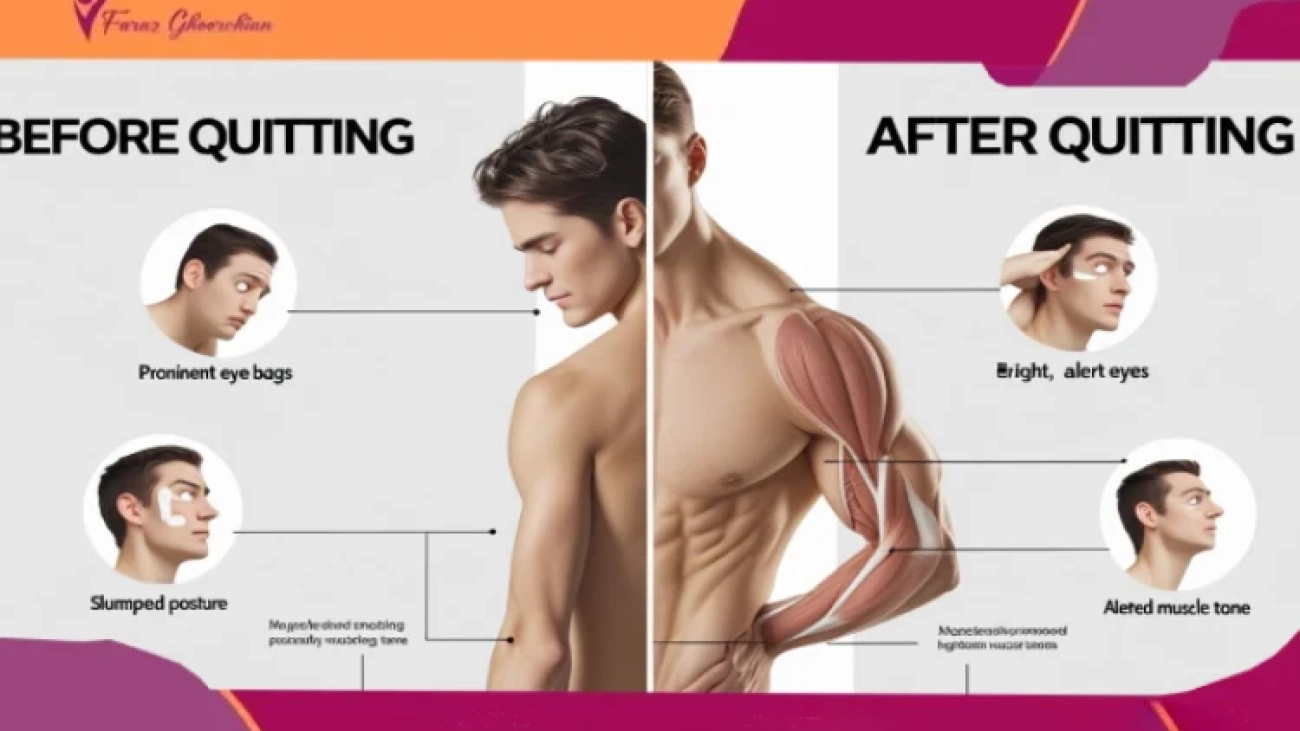
The Effect of Masturbation on Skin, Hair Loss, and Appearance

The Effect of Masturbation on Skin, Hair Loss, and Appearance

Introduction: Myths vs. Science

I still remember hearing wild claims about the effect of masturbation on skin, hair loss, and appearance back in high school. One friend swore it gave him glowing skin. Another blamed every breakout on it, convinced masturbation and acne were linked. There are even stories about masturbation and hair loss, or the idea that it causes facial changes or hair thinning. Honestly, it gets confusing. With all the talk about the masturbation beauty myth, how do we know what’s true? Let’s dig into the science and real-life stories to see how these habits might actually shape your appearance.

Understanding Hormonal Changes from Masturbation
nutrition, masturbation, and skin health

When it comes to the effect of masturbation on skin, hair loss, and appearance, the hormone talk always pops up first. I used to assume that feeling a bit tired afterward was because of some kind of testosterone drop from masturbation or some dramatic hormonal changes from masturbation. But honestly, your body just goes through a quick shift, dopamine and prolactin levels change, and for a short while, you might notice your skin feeling oilier. That’s probably where the whole “masturbation increases sebum” idea started.

Does all this mean your looks are taking a hit? Not really. Sure, hormones shift after orgasm, but your body bounces back fast anyway. The real science says that one session isn’t going to ruin skin cell regeneration or trigger sudden hair loss. In fact, a few people even swear they get glowing skin after, thanks to endorphins. Genetics, diet, and stress play a way bigger part in how your skin and hair look than a quick solo moment. So, most of the panic around this is just leftover myth.

Does Masturbation Cause Acne? The Science Explained

I used to freak out about breakouts after hearing all the rumors around does masturbation cause acne. It felt like every time I had a pimple, someone would point a finger at that. The idea that masturbation increases sebum or instantly messes up your skin is still everywhere. I remember scrolling forums packed with stories about the so-called masturbation beauty myth and people promising that quitting would give you perfect skin.

But here’s what I’ve learned after digging into actual science and chatting with dermatologists. Breakouts mostly come down to your hormones, especially androgens, not what you do in private. Sure, hormonal changes from masturbation might make your face a bit shinier for a short time, but your skin balances out quickly. Plus, some folks even swear by masturbation and glowing skin because of that rush of endorphins and better blood flow.

In the end, stress, poor diet, and skipping out on a good skincare routine matter a lot more for acne than whether you masturbate. So, relax. Old myths die hard, but acne’s way more complicated than people think.

Masturbation and Hair Loss: Is There a Connection?
masturbation and hair loss

If you’ve ever worried about masturbation and hair loss, you’re definitely not alone. I remember hearing from an older cousin that too much time alone would make my hair thin or even fall out. There’s a long-standing rumor about masturbation and hair thinning or losing hair if you don’t cut back, but the real science just doesn’t support it. Hair loss is mostly caused by genetics, hormones like DHT, stress, and aging, not your private habits.

Sure, there are some claims floating around about hormonal changes from masturbation or a testosterone drop from masturbation making you lose hair, but any hormone shifts are minor and temporary. If you’re already worried about your hair, you might start noticing changes and blaming the wrong thing. Eating well, getting sleep, and managing stress do a lot more for your hair than just worrying about these old myths.

Some people look for advice on preventing hair loss after masturbation, but the answer really lies in a balanced lifestyle. Focus on self-care, nutrition, and avoiding bad habits like pulling or scratching at your scalp. Remember, the effect of masturbation on skin, hair loss, and appearance is not as dramatic as the stories make it seem.

Facial Changes, Skin Regeneration, and Masturbation

I’ll admit, I used to wonder if taking a break would actually lead to masturbation and facial changes. People talk about sharper jawlines or suddenly looking younger after quitting, but honestly, I never saw any big changes to how my face looks. Most dermatologists will tell you genetics, sleep, and how much sun you get have way more to do with aging than anything else.

When it comes to masturbation and aging or masturbation and skin cell regeneration, there’s no magic trick here. Sure, you might notice a quick glow or a fresher look right after, maybe because your body releases endorphins and boosts circulation for a bit. That temporary boost is similar to the natural sex benefits exercise provides, but it’s short-lived. It’s not the same as reversing the clock or improving skin health long term. If anything, the only time I noticed real improvements was after I focused on better sleep, more water, and regular skincare. The real effect of masturbation on skin, hair loss, and appearance comes down to your habits, not old myths or internet rumors.

Stress, Masturbation, and Appearance Impact

Let’s talk about something people rarely mention: how stress interacts with the effect of masturbation on skin, hair loss, and appearance. I’ve noticed that whenever I felt guilty or anxious after, it actually showed up on my face. That’s where the real stress from masturbation appearance impact comes in. Feeling stressed can make your skin break out or look tired, and it can even speed up hair shedding. This isn’t just about masturbation itself, but the cycle of negative emotions that sometimes follows.

When you let stress and worry build up, you might start to see changes in your skin’s health and maybe even your hairline. Some call this the masturbation lifestyle effects on looks. It’s not the act alone, but the way stress affects sleep, hormones, and self-care routines. In some cases, these patterns even turn into bad habits affecting academic performance, which adds another layer of pressure. Focusing on stress management, healthy routines, and letting go of unnecessary guilt is way more effective than stressing about old rumors or bad habits. Your skin and hair respond best to a calm, confident mindset.

Masturbation, Eczema, and Other Skin Conditions

Some people worry about the link between masturbation and eczema or other skin flare-ups. I get it, especially if you already struggle with sensitive skin or allergies. While there’s no direct proof that masturbation triggers eczema, irritation can happen if you’re using harsh soaps or not practicing good hygiene. That’s where the masturbation impact on skincare comes into play. Friction, sweat, or leftover products can irritate the skin, especially in delicate areas.

For anyone with eczema or other conditions, gentle cleansing and the right moisturizer can make a big difference. Pay attention to any products you use and give your skin a break if it feels sore or itchy. If flare-ups continue, some people consider quitting masturbation or reducing frequency as part of a broader self-care routine. Remember, the real effect of masturbation on skin, hair loss, and appearance is usually small compared to overall habits and skincare routines. A little extra care goes a long way.

Expert Opinions: What Dermatologists Really Say

I actually asked my dermatologist once about the effect of masturbation on skin, hair loss, and appearance because the rumors had me worried. She just laughed and told me there’s no real link. Most skin doctors agree: those stories about masturbation and facial changes or dramatic skin problems are blown way out of proportion. They’ll tell you that genes, diet, and sleep habits do most of the work in how your skin and hair look. Sure, you might get irritation if you skip cleaning up, but that’s really about hygiene, not the act itself. Some men mention issues like redness or bumps, which falls under male grooming masturbation side effects, but even those are easy to avoid with a little care. The real dermatologist opinion on masturbation effects is simple. Focus on healthy routines, not old myths, and your skin will thank you.

Female Appearance: Unique Effects and Perspectives

The topic of the effect of masturbation on skin, hair loss, and appearance usually skips over women, but their stories matter just as much. I’ve had friends tell me the effects of masturbation on female appearance are more positive than people expect. Some notice that solo time lifts their mood, helps them sleep better, and even seems to give them a little boost of masturbation and glowing skin. It could just be the better blood flow or the fact that stress melts away for a while.

Of course, if stress or guilt creeps in afterward, it can have the opposite effect, sometimes showing up as a breakout or tired eyes. In the bigger picture, the health benefits of sex and even the idea that sex benefits exercise might apply for women too. Everyone’s experience is unique, and balance makes a big difference.

Prevention, Lifestyle, and Nutrition Tips for Healthy Appearance

When I started looking for ways to help my skin and hair, I realized it’s not really about just one thing. If you care about the effect of masturbation on skin, hair loss, and appearance, these small changes actually make a difference:

  • I’ve noticed that nutrition, masturbation, and skin health are more connected than I thought. Fresh veggies, healthy fats, and enough water do more than any cream on my shelf.
  • Getting enough rest and moving my body helps way more than stressing about some random masturbation side effect I read online.
  • Stress is sneaky. The times I felt most run down, it was always tied to old patterns or bad habits affecting academic performance. Managing stress pays off in the mirror.
  • If you’re thinking about quitting masturbation or just finding better balance, the guide called The Role of Nutrition and Lifestyle in Controlling Sexual Desire and Quitting Masturbation offers surprisingly real advice.

It’s the little daily choices that end up showing in your skin and hair.

Concern What reputable sources say Practical takeaway
Acne / breakouts There’s no evidence that masturbation directly causes acne. Acne is driven by clogged follicles, Cutibacterium acnes, hormones, genetics, etc. (Medical News Today) Focus on proven acne care: gentle cleansing, non-comedogenic products, benzoyl peroxide/retinoids as needed; see a dermatologist for persistent acne. (American Academy of Dermatology)
Hair loss / thinning No direct link between masturbation and hair loss. The most common cause is androgenetic alopecia (hereditary). (American Academy of Dermatology) If shedding worries you, look for established treatments (e.g., minoxidil/finasteride under medical guidance). (JAAD)
“Dull skin”, dark circles, overall “glow” Changes blamed on masturbation are more likely from lifestyle factors (sleep, stress, diet, skin care consistency), not the act itself. (WebMD) Prioritize sleep, manage stress, balanced diet (watch high-GI foods/dairy if they trigger you), and a steady routine. (Medical News Today)

Conclusion: Truth vs. Tabloid

After hearing so many wild stories about the effect of masturbation on skin, hair loss, and appearance, it’s no wonder people get confused. I used to think things like masturbation and glowing skin or sudden masturbation and hair loss were real, just because everyone kept repeating them. But digging into the facts made me realize that most changes in your looks come down to genes, self-care, and maybe how much stress you’re carrying, not some old masturbation beauty myth or rumors about masturbation and facial changes. At the end of the day, your reflection says more about your daily habits than any single choice ever will.

Why Do We Get Tempted Again After a Few Days of Quitting? Temptation Management Strategies

Introduction: The Temptation Cycle

It’s strange how things work. You go a few days without giving in, maybe even feel like you’re finally past it, and then out of nowhere the urge creeps back in. One small trigger and you’re suddenly wondering, why do we get tempted again after a few days of quitting? This happens more often than people admit. Stress, boredom, or even a good mood can wake up old cravings. The truth is, our brains remember what felt good and they chase it. That’s why bad habits return after quitting, especially when routines aren’t fully replaced. Learning your own patterns is key, and so is having some reliable temptation management strategies ready to go.

Why Bad Habits Return After Quitting

You might’ve noticed how stubborn some habits can be. Even after you’ve quit, it’s not uncommon to feel pulled right back in after a few days. I’ve heard people say it feels like your brain is playing tricks on you, and honestly, there’s some truth to that. The mind tends to stick to what it knows, especially if there’s comfort or stress relief involved. Bad habits can creep up when you’re tired, upset, or just looking for something familiar. Suddenly, you realize you’re back at square one, asking yourself why bad habits return after quitting. Most of the time, it isn’t a lack of willpower at all. It’s more about emotional triggers for temptation and those old routines kicking in when you least expect it. The trick is figuring out which situations or feelings push you toward your old patterns. Once you get clear on those, you can start building smarter ways to break the cycle for good.

Common Temptation Triggers After Quitting

Sometimes temptation shows up when you least expect it. You might be feeling bored, stressed, or even unusually happy, and suddenly that old urge is back. One of the most common temptation triggers after quitting is stress. When life feels chaotic or out of balance, the brain tends to look for comfort in familiar habits. For many people, emotional triggers for temptation come from moments of frustration, loneliness, or just wanting to escape. Even positive emotions can cause a relapse if your mind connects celebration with the old behavior. In some cases, certain feelings or situations can even bring back the memory of a specific masturbation side effect, like brain fog or guilt, which can push you right back into the habit. Another powerful factor is environment. A certain place, time of day, or routine can spark cravings before you even realize what’s happening. These subtle patterns often tie back to the stress and relapse connection, which is easy to overlook until you experience it firsthand. Knowing how to deal with cravings in advance is what helps you stay grounded. The more aware you are of what sets you off, the easier it becomes to respond with patience and strategy instead of falling back into old cycles.

The Role of Dopamine in Addiction and Relapse

It’s almost wild how much power dopamine has over our habits. I never really thought about how often the brain goes searching for that little burst of pleasure until I tried breaking a tough routine myself. The dopamine role in addiction is pretty sneaky. Every time you repeat a habit that feels good, your brain rewards you, and over time, it gets used to those quick highs. That’s part of why quitting can feel so uncomfortable at first. With those old bad habits on pause, you might notice everything feels a bit flat, or you’re just extra antsy for no real reason. These are real brain changes after quitting addiction and not just your imagination. Interestingly, shifting focus toward natural rewards like movement, connection, or even exploring the health benefits of sex can help the brain find balance again without chasing artificial highs. Once you start noticing how your own brain responds, it becomes easier to spot these patterns and make different choices, instead of falling right back into the same old cycle.

Emotional Triggers and the Willpower Challenge

If you’ve ever tried quitting something that’s stuck around for years, you know willpower isn’t some magic switch. It’s usually the emotional stuff that sneaks up and trips you. Figuring out your own emotional triggers for temptation helps a ton. Here’s what I’ve noticed and maybe you’ll relate:

  • Stress at work or fights at home can drag you right back to old bad habits before you know it.
  • Sometimes boredom is the culprit. It’s weird how an idle mind can talk you into almost anything.
  • Feeling lonely or left out can lead you to search for comfort, even in habits you promised you’d quit.
  • Mood swings matter too. Both feeling great or completely down can mess with your resolve.

It’s not just about learning how to strengthen willpower. It’s also about knowing which moments set you off, so you can be ready with better ways to deal.

Strategies to Deal With Cravings and Stay Motivated

Cravings can be relentless, especially when you least expect them. What’s helped me, and honestly a lot of folks I know, is having a handful of go-to tricks ready for those rough moments. Here are some strategies that really do make a difference for anyone figuring out how to deal with cravings and keep staying motivated after quitting:

  • Ride the craving out. Sometimes I just set a timer for ten minutes and promise myself not to do anything about it till then. Usually, the urge passes.
  • Change things up. If you know you always get cravings after dinner, maybe try a walk or call a friend right after eating.
  • Replace old routines with healthier stuff. Picking up healthy alternatives to bad habits like quick workouts or cooking something new can keep your mind off things. You might be surprised how even a short burst of movement helps. The science around sex benefits exercise shows how physical activity boosts mood, focus, and energy, making it a great substitute when cravings hit.
  • Give yourself a high five for every little win. Seriously, using reward systems to stay on track actually works, even if the reward is just a silly sticker or a night off chores.
  • Remind yourself of your progress. Looking back on what you’ve already overcome can help with staying motivated after quitting when it gets tough.

You might need to experiment a bit to find what fits your style, but these steps can honestly turn the tide when cravings start to feel overwhelming.

Building Lasting Routines and Environmental Design

Long-term change isn’t just about saying no to cravings. It’s about creating routines to avoid temptation and setting up your surroundings so the old behaviors have less of a hold. I’ve learned that a few simple tweaks in your day-to-day environment can make a big difference. Ignoring this can lead to real consequences, like bad habits affecting academic performance, sleep, or even your ability to focus. Here are some strategies that actually help with designing your environment to avoid relapse and building new habits that stick:

  • Start and end your day with purpose. Even just making your bed or prepping breakfast can reinforce positive routines.
  • Move temptations out of sight and keep healthy alternatives close. For example, put your running shoes or a book by the door and leave triggers far away.
  • Rearrange your space. Sometimes swapping out where you sit, work, or relax can break those automatic bad habits that sneak in at certain times.
  • Fill your time with new activities. Signing up for a class, joining a club, or picking up a hobby can keep your schedule full and less tempting.

Making these small changes creates a path where positive routines come naturally and help you stick with your goals for the long haul.

Mindfulness and Delayed Gratification Techniques

Getting ahead of temptation isn’t just about willpower; it’s about awareness and patience. Practicing mindfulness to reduce temptation can help you spot urges before they take over, while learning how to practice delayed gratification gives you a real edge against old routines. Whether you’re working on quitting masturbation or breaking another stubborn habit, these tools make a big difference. Here are a few down-to-earth ways to put these skills to work in daily life:

  • Take a pause when you notice a craving. Close your eyes and focus on your breath for a minute or two. Let the feeling be there without reacting.
  • Jot down your urge. Sometimes writing it out helps you see the pattern and makes it easier to wait before acting.
  • Give yourself a small reward for waiting. You might put a coin in a jar every time you delay a craving, turning it into a personal game.
  • Swap instant rewards for bigger goals. Remind yourself how good it’ll feel to reach a week, a month, or longer without falling back into bad habits.

Bringing mindfulness and patience into your day really does build strength, one small choice at a time.

The Power of Support Groups & Cognitive Behavioral Therapy

Sometimes, just talking to people who actually get what you’re going through changes everything. I remember feeling stuck until I found a small group where everyone was open about their setbacks and wins. That’s the real importance of support groups for relapse. You hear someone else share a story that sounds exactly like yours and suddenly, you don’t feel so alone or ashamed. People swap advice that actually works, and there’s always someone rooting for you to try again after a bad day.

Another tool that really helps is cognitive behavioral therapy for addiction. It’s not just about digging into your past, but figuring out how your thoughts mess with your choices today. With practice, you start to spot the patterns and jump in with better habits before the old ones take over. And look, nobody gets it right every time. Learning how to recover after relapse is part of the deal. Between support groups and therapy, you realize you can rewrite your story, even if you’ve struggled with bad habits for years.

Identity Shift & Maintaining Change Long-Term

Lasting change is about more than just quitting bad habits; it’s about seeing yourself in a new way. The real transformation comes with an identity shift after quitting a habit, when you stop thinking of yourself as someone who’s always struggling and start believing you can be the kind of person who sticks to new routines. Here are some honest ways to support how to maintain long-term change and keep building that new identity:

  • Keep a journal of your small wins. Looking back on real progress boosts confidence and reminds you that change is possible.
  • Try using reward systems to stay on track. Even simple rewards can help make new habits more satisfying and motivate you through tough days.
  • Surround yourself with people who support your new goals, which makes the journey less lonely and more fun.
  • When you slip up, practice self-forgiveness. This helps break the cycle of guilt and gets you moving forward faster.

Remember, real change is a process, not a finish line. The more you live into your new identity, the easier it is to leave old patterns behind for good.

Conclusion: Your Next Step Toward Change

If you’ve ever wondered why bad habits return after quitting, you’re definitely not alone. Every setback is just a lesson, not the end of your story. What matters most is having a few real temptation management strategies up your sleeve and being willing to try again when things get rough. Change takes time, but each time you catch yourself and choose differently, you’re building real progress. Stick with it and give yourself credit for every honest effort.

FAQs

1- Why do bad habits return after quitting, even when I feel motivated?

Old patterns are hardwired in the brain, so even strong motivation can be challenged by stress or familiar triggers. Understanding your emotional triggers for temptation and having practical temptation management strategies helps a lot.

2- How can I deal with cravings that seem to come out of nowhere?

Cravings are a normal part of recovery. The best approach is to notice them without judgment, try mindfulness, and use healthy alternatives to bad habits until the urge passes.

3- What if I relapse? Is all my progress lost?

Not at all. Relapse is common and is just a chance to learn how to recover after relapse. Every time you try again, you’re building new habits and getting closer to long-term success.

Quitting Masturbation in Islam; Guidance, Struggles & Spiritual Renewal

Introduction: Why This Topic Matters for Muslims Today

It’s not easy to talk openly about quitting masturbation from an Islamic perspective and spiritual experiences, but the struggle is real for many Muslims today. With constant temptations everywhere, a lot of people end up dealing with this challenge on their own. Islam doesn’t just label it a bad habit; it actually offers support and wisdom for anyone who wants to change. The process is personal, often bringing both ups and downs, but many find that making this effort can lead to surprising growth and a new sense of inner peace after quitting masturbation.

Quranic Guidance on Sexual Purity and Fitrah

For those exploring quitting masturbation from an Islamic perspective and spiritual experiences, the Quran offers a powerful foundation. Islam recognizes that desire is a natural part of the human condition, tied closely to our fitrah, the pure state we are born into. The Quran speaks clearly about the importance of sexual purity, urging believers to protect their modesty and seek halal ways to fulfill their needs. One example is the verse that praises those “who guard their private parts except with their spouses.”

Maintaining this standard today is not always easy. But the wisdom of the Quran encourages us to stay mindful and disciplined, especially when facing persistent temptations. Islam teaches us to control the nafs and masturbation through regular prayer, reflection, and intentional action. Choosing to protect one’s fitrah and sexual purity is more than avoiding bad habits. It is a path that leads to self-respect, spiritual strength, and a clearer connection with Allah, especially for those striving to improve from within.

Hadiths on Masturbation and Scholarly Views

Whenever the topic of quitting masturbation from an Islamic perspective and spiritual experiences comes up, people often want to know what the Prophet and early scholars really said. There is no single, clear-cut ruling, which actually reflects the compassion and wisdom in our tradition. While the Quran does not mention it by name, hadiths on masturbation are often discussed among scholars, who tend to agree it is better to avoid it, especially since it can pull us away from spiritual focus and disrupt true connection in marriage.

That said, some scholars point out that if a person fears falling into greater sin, there can be a little flexibility. This makes Islam’s approach feel genuinely human and realistic. Many encourage practical steps like regular fasting, more prayer, and sincerely making dua to stop masturbation. Struggling with these choices is common, and honest conversations with trusted scholars can break the shame around this bad habit. In the end, every effort to seek inner peace after quitting masturbation brings a person closer to spiritual maturity and self-control.

The Spiritual Benefits of Quitting Masturbation

If you talk to someone who has worked hard on quitting masturbation from an Islamic perspective and spiritual experiences, the benefits often feel surprisingly real. You start to notice small but powerful shifts in your faith and mindset. For a lot of Muslims, the struggle opens doors they did not expect:

  • One of the first things people mention is increased taqwa after quitting masturbation. You might feel a stronger sense of God’s presence and pay more attention to your daily choices.
  • There is also a feeling of inner peace after quitting masturbation that comes with breaking free from a cycle that always felt private and heavy.
  • Many describe how quitting led to stronger iman. Prayer feels more meaningful, and they find it easier to focus in worship.
  • Self-control over the nafs gets better, which spills over into other parts of life, like avoiding bad habits and building new routines.

Everyone’s experience is a bit different, but most agree that these changes add up, making spiritual life feel richer and more genuine.

Psychological and Health Impacts: What Science and Islam Say

When people talk about quitting masturbation from an Islamic perspective and spiritual experiences, they often wonder about both health and psychological impacts. It’s something science and faith both have a lot to say about, and their advice often overlaps in unexpected ways.

  • The psychological effects of quitting masturbation can show up as clearer thinking and steadier moods. Some people find they have more energy and better concentration, especially after breaking old routines.
  • There’s an honest conversation happening about depression and masturbation in Islam. For some, feeling stuck in this habit makes them feel isolated or ashamed, but Islam’s encouragement to connect with others and build positive routines really helps.
  • Concerns about anxiety and sexual habits in Muslims are real, too. Turning to prayer, community, and even exercise often reduces stress.
  • One masturbation side effect is that the habit can quietly turn into one of those bad habits that distracts from school, work, or even spiritual growth.

Finding your way forward usually means listening to both medical research and Islamic guidance. That’s what leads to real, lasting change.

Real-Life Stories: Personal Accounts and Spiritual Journeys

Reading about quitting masturbation from an Islamic perspective and spiritual experiences is one thing, but hearing real stories brings the subject to life. Many Muslims, young and old, have shared their journeys of overcoming the struggle. These personal stories quitting masturbation reveal the ups and downs that come with trying to break a private habit. For some, support came through a close friend or mentor, while others leaned on faith and prayer, making dua to stop masturbation a regular part of their routine.

People often mention the relief they felt after making changes, describing a deep inner peace after quitting masturbation that replaced anxiety and guilt. Some also share how quitting strengthened their iman, helped them build self-discipline in Islam, and gave them new confidence to face other challenges. These stories prove that change is possible, and spiritual renewal can truly begin with a single, honest step forward.

Self-Discipline, Taqwa, and Controlling Desires in Islam

Anyone who has worked on quitting masturbation from an Islamic perspective and spiritual experiences knows self-control does not happen overnight. Real self-discipline in Islam starts with small, sometimes awkward steps. You notice your nafs pulling you in one direction, but the goal is to pause, think, and sometimes just sit with the feeling instead of reacting. That’s where taqwa comes in—choosing what pleases Allah, even when it is tough. Some people find their bad habits affecting academic performance or energy, and realizing that is a wake-up call. Controlling desires in Islam is about making conscious choices, whether that means getting up for prayer, fasting, or even just taking a walk to clear your head. Over time, these moments add up. The victories might be quiet, but they really do change your direction in life.

Islamic Tools: Dua, Zikr, and Halal Strategies

Everyone who’s ever tried quitting masturbation from an Islamic perspective and spiritual experiences knows it can feel like a lonely path sometimes. Thankfully, Islam gives real-life tools that help make things less overwhelming.

Finding Strength in Dua and Zikr

When the urge feels strongest, quietly making a heartfelt dua to stop masturbation can make a surprising difference. It’s not always about fancy words; sometimes it’s just being honest with Allah. Many also find comfort in zikr to control lust. Whispering simple phrases, even while doing chores or walking, helps pull the mind away from temptation.

Creating New Habits with an Islamic Routine

Building an Islamic routine to fight sexual urges is about small, practical moves. Keeping busy, planning activities, or adding a bit of sex benefits exercise like running or stretching can be a healthy outlet.

Halal Paths for Release and Balance

Looking for halal ways to release sexual tension matters, too. Marriage is encouraged, but creative projects or even sports fill the gap for many. Remember, the health benefits of sex in the right setting are part of God’s mercy. Progress takes patience, but every effort adds up.

Guidance for Teens: Helping the Next Generation

Guiding teens through quitting masturbation from an Islamic perspective and spiritual experiences means being patient and open. It’s a tough topic, but young people need a safe space to talk about it.

Practical Steps That Help

  • Talk honestly about the masturbation struggle in Muslim youth and why it’s nothing to be ashamed of
  • Remind teens about their fitrah and sexual purity, and why protecting it matters
  • Try out easy routines, like regular prayer or a simple Islamic routine to fight sexual urges
  • Focus on real solutions, like positive friendships and support for helping teens quit masturbation Islamically
  • Share little victories, so teens see inner peace after quitting masturbation is possible

It’s all about small steps and honest support—nothing fancy, just real guidance that sticks.

Conclusion: Walking the Path of Spiritual Renewal

Looking back, anyone who’s tried quitting masturbation from an Islamic perspective and spiritual experiences knows it’s more than just stopping an old routine. It is about reconnecting with your fitrah and sexual purity, learning patience, and building real self-discipline in Islam along the way. You start to notice the spiritual benefits of quitting masturbation one day at a time—maybe feeling a little more peace, or finding prayers come easier. It’s never perfect, but each step counts on this journey.

FAQs

1- Is masturbation haram in Islam, or just discouraged?

While the Quran does not directly mention masturbation, many scholars believe it should be avoided to protect your fitrah and sexual purity. Some opinions allow it in rare cases to prevent greater sins, but the emphasis remains on controlling desires and seeking healthier, halal outlets.

2- What are the spiritual benefits of quitting masturbation?

Muslims often report feeling a sense of relief and a clearer mind after quitting. With time, many experience inner peace after quitting masturbation, stronger focus in prayer, and increased taqwa after quitting masturbation. The process also helps build better self-discipline in Islam.

3- How can I stop if I keep failing?

Struggling is part of the journey. Use a daily Islamic routine to fight sexual urges, make regular dua to stop masturbation, and fill your time with positive habits. It also helps to connect with others who understand the struggle.

4- Are there any halal ways to release sexual tension?

Marriage is encouraged, but other options include sex benefits exercise, creativity, and productive hobbies. Islam wants you to thrive and keep your fitrah intact.

5- What should parents know about the masturbation struggle in Muslim youth?

It is common, and teens need honest guidance and support. Helping teens quit masturbation Islamically means providing understanding, not shame, and encouraging positive, faith-based routines.

Masturbation and Anxiety-2

Masturbation and Anxiety; Breaking the Cycle for Better Mental Health

Introduction: Why Talk About Masturbation and Anxiety?

Talking about masturbation and anxiety was never easy for me or most people I know. For years, I wondered if the anxious feelings that followed had anything to do with my habits, or if I was just overthinking it. The truth is, so many people feel this way but stay silent out of embarrassment or fear of judgment. By opening up about how masturbation affects anxiety, we can finally get real answers and find healthier ways forward.

The Science: How Masturbation Affects Anxiety and Mood

When I first heard about the connection between masturbation and anxiety, I thought it sounded like something people just made up. But if you dig a little deeper, the science actually backs it up. When you masturbate, your brain releases chemicals that ease stress in the short term. That’s probably why so many people turn to masturbation as a coping mechanism for stress or nervous energy. The weird part is, that nice buzz doesn’t always stick around. Sometimes, after the dopamine release from masturbation wears off, there’s a dip and you might notice anxiety after masturbation or just feel kind of down. Researchers also point to the role of serotonin levels and masturbation, suggesting that fluctuations may influence emotional crashes. I’ve seen friends worry about things like testosterone and anxiety from masturbation, especially if they go overboard. It turns out, hormonal changes from excessive masturbation can mess with your mood, but occasional habits usually aren’t a big deal unless guilt and shame start piling up.

Masturbation and Anxiety-1

Masturbation as a Coping Mechanism for Stress and Anxiety

Using masturbation as a coping mechanism for stress is something I slipped into without thinking much about it. After a stressful day, the quick dopamine release from masturbation felt like a relief, like everything got quiet for a minute. When anxiety was running high, it seemed like the easiest way to calm down. But over time, it stopped feeling helpful and started to feel like a routine I couldn’t shake. I’ve heard others say the same thing. What begins as a way to cope can slowly turn into a pattern that feeds emotional avoidance. This is often how masturbation affects anxiety. While there are clear health benefits of sex for both mind and body, using masturbation to constantly numb stress can keep you from facing what actually needs attention. It offers short-term peace, but if it becomes your go-to, it might block deeper growth.

When Relief Becomes a Problem: Compulsive Masturbation and Anxiety

It’s one thing to use masturbation as a coping mechanism for stress, but it’s another when it starts to feel out of control. I remember thinking I was just blowing off steam, but the habit can quietly become compulsive before you notice. When masturbation shifts from something occasional to a daily necessity, it may actually feed into anxiety instead of relieving it. That is the cycle of masturbation addiction and anxiety. If you find yourself unable to stop even when you want to or feeling anxious if you cannot get privacy, that’s a sign relief has turned into a problem. Sometimes, these bad habits sneak in while we’re just trying to manage tough emotions. Over time, compulsive patterns can amplify guilt, increase stress, and make it harder to enjoy genuine connection or focus on real solutions. Recognizing this cycle is the first step toward breaking free.

Overcoming on Masturbation and Anxiety

The Emotional Toll: Guilt, Shame, and Relationship Anxiety

Many people don’t talk about the heavy feelings that can follow after masturbation and anxiety start to mix. That wave of guilt after masturbation can catch you off guard, making you question your own choices or even your self-worth. Shame and anxiety from masturbation often come hand in hand, especially when you feel like you’re hiding part of yourself from a partner. This is a real masturbation side effect for some, not just something you read about in a textbook. Worrying about being “caught” or misunderstood can create real relationship anxiety, leading to distance or tension. If you find yourself struggling to talk openly with someone you care about, you are definitely not alone. Facing these feelings head-on is the first step toward feeling better and building trust again.

Gender, Culture, and Religion: Unique Pressures and Mental Health

It’s surprising how much your background shapes your feelings about masturbation and anxiety. I’ve talked with both men and women who describe completely different experiences. Male vs female anxiety from masturbation isn’t just about biology, but the expectations we grow up with. For some, there’s a layer of religious guilt and masturbation anxiety that never really goes away, no matter how old you get. Then there are the cultural views on masturbation and mental health that make it nearly impossible to ask honest questions or admit you’re struggling. I know people who kept these worries hidden for years, afraid of being judged or misunderstood. Sometimes it feels like everyone else got a rulebook you missed. The truth is, no matter where you come from, those outside pressures can make personal struggles feel even heavier. Talking about them is a good place to start letting go.

The Social Side: How Masturbation Affects Relationships

Few people realize how much masturbation and anxiety can spill over into daily life with a partner. Sometimes, the secrecy that comes with the habit creates distance or leads to misunderstandings, especially if you start hiding masturbation from partner anxiety. Open communication matters more than most of us think. How masturbation affects relationships is different for everyone, but when guilt or worry builds up, it can affect trust and closeness. I’ve heard stories about arguments or silent resentment, not because of the act itself, but because of the secrets or confusion around it. In younger couples, these kinds of habits can even show up as bad habits affecting academic performance, with anxiety taking the focus off school or work. Being honest and working together is the real key to moving forward.

Masturbation and alone Anxiety

Breaking Free: Practical Strategies to Overcome Compulsive Masturbation

I wish there was a quick fix for breaking the link between masturbation and anxiety, but the truth is, it takes a bit of experimenting and a lot of honesty with yourself. I’ve been there, staring at the ceiling, frustrated by the same old pattern. Here’s what actually helped me and a few friends:

  • Start by tracking your habits, but don’t judge yourself for them. Ask honestly if you’re reaching for relief because you’re tired, stressed, or just plain bored.
  • Swap your routine. If you notice a compulsive masturbation urge, try texting someone, going for a short walk, or just stepping outside for air.
  • Mindfulness sounds cheesy but works. When an urge kicks in, take a breath, notice what you’re feeling, and see if the craving passes.
  • Quitting masturbation isn’t all or nothing. Some people go cold turkey, others take a slower approach. Do what fits your life.
  • If you keep slipping, it’s not failure. The guilt is often worse than the habit itself. Talk to someone who gets it if you can.

Learning how to stop masturbating due to anxiety is messy, personal, and way more about small wins than dramatic changes. Every little step matters.

Mindfulness, Meditation, and Exercise: Tools for Liberation

If you’ve ever felt stuck in a loop of masturbation and anxiety, I promise you’re not alone. Here’s what helped me and a few friends break free:

  • I started experimenting with mindfulness and sexual urges. It was awkward at first, just sitting there and paying attention to what was going on in my head and body. Sometimes the urge faded, sometimes it didn’t, but just noticing made it less overwhelming.
  • Giving meditation to reduce masturbation urges a real shot was surprisingly calming. Five or ten minutes of quiet breathing, even just staring out the window, sometimes pulled me out of the spiral.
  • And I can’t say enough about sex benefits exercise. A run or even a long walk worked better than I expected for getting my mind off things and lifting my mood.

It’s not about being perfect. These small habits, honestly, made the biggest difference for me over time.

Masturbation Chain and Anxiety

Seeking Help: When Therapy Makes the Difference

There was a time when masturbation and anxiety took up way too much space in my life, and nothing I tried on my own seemed to work. That’s when I finally considered therapy for masturbation addiction, and looking back, it was a turning point. It’s normal to feel weird or even embarrassed about reaching out, but most therapists have seen it all. Sometimes, just talking out loud about worries like testosterone and anxiety from masturbation or old guilt takes away some of their power. A good therapist doesn’t judge; they help you spot patterns and guide you through overcoming compulsive masturbation with real steps, not just generic advice. If you ever catch yourself wondering when to seek help for masturbation and anxiety, my advice is simple: trust your gut, especially if things start feeling out of control or affect your happiness. Sometimes you really don’t have to figure it all out alone.

Conclusion

Looking back, I never guessed how much masturbation and anxiety were tangled up in my own life until I started paying real attention. Learning exactly how masturbation affects anxiety made it easier to cut myself some slack and try new things, whether it was adding mindfulness or talking with someone about therapy for masturbation addiction. Progress isn’t always quick, but little changes do add up. If you’re in the middle of this, just know it gets easier and you really can feel better with time.

Masturbation and alone Anxiety

FAQs

1- Can masturbation cause anxiety or make it worse?

Yes, for some people, masturbation and anxiety are connected, especially if guilt, shame, or compulsive habits are involved. Understanding how masturbation affects anxiety can help you break that cycle.

2- Is it normal to feel anxiety after masturbation?

Feeling anxiety after masturbation is more common than you might think. Emotional triggers, cultural views, or hormonal changes from excessive masturbation can play a role.

3- When should I consider therapy for masturbation addiction?

If your habits interfere with daily life, relationships, or mental health, it’s worth exploring therapy for masturbation addiction and learning new ways of overcoming compulsive masturbation.


masturbation-and-marriage

The Effect of Masturbation on Emotional Relationships and Marital Life

Introduction: Why This Topic Matters

The effect of masturbation on emotional relationships and marital life is something I never really thought about until a close friend brought it up over coffee. Suddenly, I realized how many couples quietly wonder if habits like masturbation could change the way they connect or feel about each other. It’s easy to overlook, but how masturbation affects emotional intimacy and trust can shape the little moments in a marriage, sometimes for better and sometimes for worse.

Defining Emotional Intimacy and Relationship Health

If there’s one thing I’ve noticed in my own relationships and watching others, it’s that emotional intimacy is what makes a marriage feel real and lasting. It isn’t just about saying “I love you” or sharing the same bed. It’s those late-night talks, the way you look at each other after a long day, and knowing your partner gets you. I’ve seen how a lack of trust or feeling misunderstood can lead to masturbation and marital dissatisfaction or even bring up masturbation and relationship trust issues. Real relationship health is about that steady sense of being emotionally close, even during the tough times.

The Science: Masturbation and Relationship Dynamics

When it comes to the effect of masturbation on emotional relationships and marital life, the research can feel surprisingly personal. I remember reading a study that suggested masturbation is not always harmful for couples. In some cases, it helps relieve stress or prevents tension from building. But the reality is more complicated. When masturbation becomes a way to escape emotional disconnection or turns into a hidden routine, it can create distance between partners. That is when issues like masturbation and marital dissatisfaction or masturbation and mismatched libido in couples often show up. Some partners feel pushed away, especially when there are masturbation and relationship trust issues involved. Studies also suggest that excessive solo habits can affect emotional bonding. Interestingly, in younger couples, these patterns often begin during college years, sometimes linked to bad habits affecting academic performance that later show up in relational patterns. The masturbation impact at different life stages is real, with each phase of adulthood bringing its own challenges and expectations around intimacy. The key is how well a couple communicates about their needs and boundaries. If both people feel heard and connected, masturbation may not be a problem at all. But if it replaces real intimacy, trouble usually follows.

masturbation and not marriage

Masturbation and Emotional Intimacy: The Subtle Distance

In real life, the line between physical release and emotional closeness is not always clear. Many couples don’t realize how masturbation affects emotional intimacy until small changes in connection start to add up. It might be little things at first, like drifting apart in bed or feeling less drawn to open up after a stressful day. If masturbation becomes a substitute for shared affection, one or both partners might sense a subtle gap that is hard to name. For some, this even raises the question, “Is masturbation emotional cheating if I’m keeping it secret?” A common masturbation side effect is that emotional bonding slowly fades when intimacy is replaced by hidden routines. Research and real-world stories show that secrecy around solo habits can breed resentment or feelings of neglect. The truth is, emotional distance rarely happens overnight. It is a gradual shift, shaped by how couples choose to balance private needs and the need for closeness in a healthy relationship.

Trust Issues, Secrecy, and Relationship Damage

Trust is one of those things that couples usually take for granted until it gets tested. When one partner hides their habits or feels ashamed to talk about their own needs, small secrets can quickly snowball. Masturbation and relationship trust issues are surprisingly common, especially when someone feels excluded or kept in the dark. Over time, the pattern of secretive behavior can lead to secret masturbation and relationship damage that feels much bigger than the act itself. I have heard stories where a spouse discovers hidden routines and suddenly questions their own self-worth, wondering if they are not enough. Often, what begins as a series of bad habits becomes a deeper emotional wedge between two people. Many partners describe feeling emotionally neglected due to masturbation, especially when communication fades and intimacy is replaced with silence. It’s not unusual for masturbation-related arguments in couples to spiral into bigger conflicts that feel hard to resolve. The emotional fallout shows up as suspicion, distance, or pulling away. In the long run, repairing trust is about honest communication and creating space for both partners to feel valued and understood, even if their needs and habits are different.

masturbation and problems for marriage

Porn Use, Expectations, and Unmet Needs

Talking about porn in the context of marriage can feel awkward, but it’s hard to ignore the way it shapes expectations and emotional needs. Many couples notice that porn use and masturbation in relationships sometimes create a fantasy world that is hard for real-life intimacy to compete with. When one partner relies heavily on these habits, the other might experience feelings of rejection or wonder if they can ever measure up. Over time, this can lead to unmet expectations due to masturbation, where shared intimacy slowly gets replaced by private routines. Some people might start to feel emotionally neglected or question the health of their connection. What often gets overlooked is the health benefits of sex in a connected relationship, which go beyond physical pleasure and help reinforce emotional bonding. If couples avoid talking about these issues, small resentments can grow into bigger misunderstandings. The healthiest relationships are the ones where both partners feel safe to voice their concerns, challenge unrealistic expectations, and find new ways to reconnect when routines or habits threaten emotional closeness.

Religious, Cultural, and Gender Perspectives

Every marriage is shaped by a mix of beliefs, upbringing, and personal values, especially when it comes to intimate habits. When I talk to couples from different backgrounds, the range of attitudes toward masturbation and marital life is always striking. Here are a few perspectives that often come up:

  • Religious guilt from masturbation in marriage can be intense, leading some partners to hide their habits or feel ongoing shame, which can quietly affect emotional closeness.
  • Cultural stigma of masturbation and marriage is another factor. In some communities, solo sex is still seen as taboo, especially for women, and this stigma can create barriers to honest communication.
  • The male vs female masturbation impact on marriage is a real topic. While men might feel less judged, women sometimes struggle with extra guilt or worry about being misunderstood.

All of these factors can shape how comfortable couples feel about discussing needs and setting healthy boundaries around intimacy.

masturbationa and Marital problems

When Masturbation Becomes a Problem: Compulsivity and Disconnection

Sometimes, what starts as a private outlet slowly turns into something that quietly takes over more and more of someone’s day. Compulsive masturbation and relationship issues often go hand in hand, especially when this habit begins to interfere with time spent together or replaces emotional intimacy. I have spoken with couples who notice that one partner seems distracted or distant, choosing solo habits instead of sharing moments of closeness. This can lead to arguments, emotional distance, or even co-parenting struggles. For some, there is a sense that personal worth is slipping away, especially if they start to associate their value in the relationship with sexual frequency. The masturbation’s impact on self-worth in relationships should not be underestimated. If one or both partners are feeling neglected, it is usually a sign to look deeper. Addressing the root causes, instead of just the symptoms, is what helps couples reconnect before habits become a true source of pain.

Talking About Masturbation: Openness and Healthy Boundaries

Bringing up masturbation with your partner can feel awkward, but honest conversations are often the turning point in building deeper trust and intimacy. In my experience, couples who learn to talk about sensitive topics end up feeling more connected and less alone in their struggles. Whether it’s about understanding personal habits or even considering quitting masturbation as a shared decision, openness makes all the difference. Here are some things to consider if you are thinking about talking about masturbation with your partner or trying to set healthy boundaries:

  • Choose a time when both of you are relaxed and not distracted by other worries. This sets the tone for an open discussion.
  • Be honest about your own habits, needs, and feelings, but also listen to your partner without judgment.
  • Discuss how masturbation and mismatched libido in couples or personal routines may be affecting your relationship, so both people feel understood.
  • Agree on what healthy boundaries look like for your marriage. Teaching healthy boundaries around masturbation can reduce resentment and foster more closeness.

The real goal is to create an environment where both partners feel safe to share and grow together.

Marital problems with Masturbation

Strategies for Connection: Balancing Individual and Shared Intimacy

Balancing private needs with shared experiences is one of the ongoing challenges in any marriage. I have seen firsthand how couples who talk openly and adapt together often find the most satisfaction, both emotionally and physically. Here are a few strategies for building a stronger connection and balancing masturbation and partnered sex:

  • Make time for regular check-ins about intimacy and needs. This keeps both partners in tune and helps avoid misunderstandings.
  • If you notice that masturbation habits and co-parenting stress are affecting your energy or mood, try finding small ways to reconnect, even on busy days.
  • Explore new forms of closeness together, like massage, shared hobbies, or even exercise. The sex benefits exercise brings can improve mood and bond couples.
  • For some, quitting masturbation for a while can reset routines and open the door to deeper intimacy, though it is important to decide this together.

At the end of the day, what matters most is supporting each other’s growth and creating rituals that reinforce your emotional bond.

Therapy and Support: When to Seek Help

Sometimes, couples reach a point where talking things out at home just isn’t enough. If masturbation and relationship trust issues or patterns of compulsive masturbation and relationship issues are creating real pain or blocking intimacy, therapy can be a game-changer. Seeking therapy for masturbation and relationship issues is not a sign of failure. In fact, professional support is not just for crisis situations. Even if your marriage feels mostly solid, a counselor can help both partners unpack old habits, set healthier boundaries, and heal from misunderstandings. Addressing concerns early shows a real commitment to relationship health and gives both people the tools to move forward with more trust, understanding, and closeness.

Masturbation in women

Conclusion: Building Lasting Trust and Emotional Fulfillment

At the end of the day, the effect of masturbation on emotional relationships and marital life is shaped by honesty, compassion, and a willingness to grow together. Building lasting trust and real emotional fulfillment comes from open conversations about needs, boundaries, and even the occasional struggle. Couples who address masturbation and marital dissatisfaction or trust issues with understanding often find deeper connection and renewed intimacy over time.

FAQs

1- Does masturbation always lead to problems in marriage?

Not necessarily. The effect of masturbation on emotional relationships and marital life depends on openness and trust between partners. Many couples navigate solo habits without issues, but secrecy or neglect can create tension.

2- Is masturbation emotional cheating?

It depends on the couple’s boundaries. Hiding solo habits can feel like a betrayal to some, so discussing expectations around masturbation and relationship trust issues is important.

3- Can quitting masturbation improve intimacy?

For some couples, yes. Openly addressing masturbation and marital dissatisfaction can reset intimacy and boost emotional connection.


Does Quitting Masturbation Increase Testosterone?

Does Quitting Masturbation Increase Testosterone? Scientific Review

Introduction: Testosterone, Masturbation, and Internet Myths

Nearly everyone has stumbled across debates about testosterone levels after quitting porn or heard wild claims about what happens if you try quitting masturbation for a while. Some people on Reddit and YouTube talk about getting superhuman energy, while others roll their eyes and chalk it all up to myth. The truth is, most guys have wondered at some point if their habits actually change anything in their body, especially when it comes to masturbation and testosterone. Instead of just guessing, I wanted to dig into real studies and get clear answers, so this review sorts through the facts and filters out all the hype.

Understanding Testosterone: Why Men Care

Let’s face it, most guys have heard something about testosterone, whether from a friend at the gym, a podcast, or some random late-night rabbit hole on YouTube. This hormone plays a much bigger role than just helping you build muscle or grow facial hair. It influences your energy, motivation, sleep, focus, mood, and even how driven you feel throughout the day. That’s why questions like does abstaining from ejaculation boost testosterone keep coming up, especially among men who are trying to upgrade their health or mindset.

Some start looking into lifestyle changes for testosterone boost, while others get curious about the real quitting masturbation benefits for men. There’s also growing interest in the masturbation impact on teen testosterone, especially as younger guys deal with overstimulation and screen habits. Maybe you’ve noticed low energy or brain fog after certain habits and started wondering if there’s a link. The truth is, testosterone responds to a bunch of factors, from sleep and diet to stress and activity levels. Learning how it all connects is key. Instead of chasing myths, it’s about understanding what really moves the needle when it comes to long-term hormone balance and well-being.

effect of Quitting Masturbation to Increase Testosterone

Masturbation, Ejaculation, and the Hormonal Cycle

Let’s talk honestly about what actually happens in your body after masturbation or sex. I’ve come across all kinds of claims. Some guys say their testosterone levels after quitting porn skyrocketed, while others didn’t notice much at all. The reality is that your hormonal cycle after masturbation tends to be more subtle than people expect. Right after ejaculation, there might be a temporary dip in energy or mood, but testosterone levels usually stay within a normal range.

One possible masturbation side effect some people report is feeling drained or mentally foggy afterward, though this varies from person to person. Now here’s where things get interesting. One small study found that abstaining from ejaculation boosts testosterone slightly around day seven. That spike, however, didn’t last. It dropped back down soon after, which means the impact was short-term. Some people put too much weight on that one bump, hoping it explains a whole shift in their mood or drive. But from everything I’ve read and experienced, long-term changes come from habits like consistent sleep, better food choices, and managing stress. Your body works hard to stay balanced, and it usually does a better job than we give it credit for.

Scientific Studies on Masturbation and Testosterone

Before you change your routine based on internet advice, it’s worth asking what actual research says about masturbation and testosterone. The reality is more ordinary than most online stories.

When You Look at the Research

Honestly, when I first started searching for scientific studies on masturbation and testosterone, I expected to find something dramatic. The internet is full of people swearing their testosterone levels after quitting porn made them feel like a whole new person. In reality, the science is a lot less sensational. Most research finds that masturbation has little effect on testosterone, especially over the long run. There was a study in China where guys avoided ejaculation for a week. On day seven, their testosterone did rise, but it quickly dropped back to normal.

Does Quitting Make a Lasting Difference?

So, does abstaining from ejaculation boost testosterone in any serious way? The answer is not really. You might see a short-term spike, but it doesn’t last. Your body’s hormone system is made to stay steady. According to scientists, real improvements come from steady sleep, better eating habits, and managing stress, not just quitting masturbation for a few days.

View of the human brain

NoFap, Semen Retention, and Hormone Balance: Myth or Truth?

I remember the first time I stumbled across the NoFap forums online. People were talking about semen retention and hormone balance like it was a hidden cheat code for life. Some said quitting porn gave them confidence, focus, and even a boost in the gym. Others swore their energy hit new heights just by stepping away from old bad habits. I’ll admit, I was curious if there was any real science behind these big claims.

At some point, I started wondering the same thing others were asking: NoFap testosterone myth or truth? Digging into scientific studies on masturbation and testosterone, the story turned out to be way less dramatic. Most research shows that after a short period without ejaculation, you might see a tiny bump in testosterone, but it doesn’t stick around. Long-term, there’s just not much proof that NoFap or complete abstinence leads to a permanent hormone upgrade. From what I’ve seen, guys who try quitting masturbation sometimes feel sharper or more motivated, but that’s probably due to changes in routine, better sleep, or even just the challenge itself. So if you’re hoping for a miracle from semen retention and hormone balance, it’s probably smarter to focus on bigger picture habits for real results.

Lifestyle Factors that Truly Influence Testosterone

Here’s the thing: when it comes to changing your hormones for the better, most of the magic actually comes from your daily habits, not just quitting masturbation. I learned the hard way that chasing shortcuts rarely works. If you want your testosterone levels after quitting porn or any other habit to really improve, you have to go back to basics. These are the things that made the biggest difference for me and most guys I’ve talked to:

  • Lifting heavy stuff or doing strength training is hands-down the fastest way I ever felt stronger and more focused. When you compare strength training vs masturbation impact, the difference is night and day. No fancy program needed, just show up and push yourself.
  • If you’re not sleeping at least seven hours, fixing that alone can change everything. I noticed my mood, energy, and even my cravings settled down once I actually gave sleep a chance.
  • Staying active in every way helps. People forget that sex benefits exercise, too. It’s all connected.
  • Stress is a silent killer for hormones. Getting outside, taking a walk, or just shutting off my phone made a bigger impact than I thought.
  • Don’t overthink food. A solid mix of real meals, healthy fats, and good protein does more for optimizing testosterone without supplements than any trendy diet I tried.

Honestly, these changes stuck with me a lot more than any quick fix.

Abstract view of the human brain

Focus, Mood, and Dopamine: Beyond Testosterone

If I’m being real, the biggest shift I felt after quitting masturbation wasn’t physical. It was mental. My ability to focus got noticeably better. At first, there was this weird energy, almost like my brain didn’t know what to do with itself. But after a few days, I started feeling clearer and more grounded. That’s probably tied to how dopamine levels after stopping masturbation begin to settle. Dopamine is that reward chemical, and when it’s not constantly spiking, your brain relearns how to enjoy simpler things.

Looking back, I’d say the effects of quitting masturbation on focus were pretty obvious. I remember wondering, does masturbation affect anxiety hormones too? Some researchers suggest it might, especially when the habit turns into emotional escape or avoidance. That hit home for me. It was one of those bad habits affecting academic performance without me even realizing it. I wasn’t failing, but I was scattered. Once I took a break and built a better routine, my focus came back stronger. Turns out, the mental benefits were just as real as anything hormonal.

Masturbation Frequency, Sperm Quality, and Male Health

Back when I started questioning my habits, I didn’t expect to care about things like masturbation frequency and sperm quality. But once I dug into it, I realized it’s not as black and white as people make it sound. Some research says that too much ejaculation in a short window might lower sperm count temporarily. But waiting too long? That can lead to sluggish sperm. I know guys chasing perfect male health who end up stressed trying to get it “just right.”

What stood out more were the subtle changes I felt after stepping away from the habit. One week in, I noticed better focus, steadier energy, and honestly, a little more confidence. I also experienced some libido changes after quitting masturbation, which felt surprising but not unwelcome. Maybe those are part of the quitting masturbation benefits for men people keep mentioning. I’m not saying it fixed everything, but for me, pulling back gave me time to check in with myself. It’s not really about counting days. It’s about feeling more in control and more present in your own body.

A person exercising in a gym

Common Myths vs. Medical Expert Opinions

To be real, I used to buy into a bunch of masturbation and testosterone myths. I’d hear people say quitting would skyrocket my focus or turn me into a different person. After actually talking to my doctor and digging for an endocrinologist opinion on masturbation & testosterone, the answers were less dramatic than what I saw on YouTube. One thing I was curious about was how long to recover testosterone post-orgasm, and the truth is, for most people, it rebounds pretty quickly. Most experts explained that healthy habits don’t mess up your hormones, and you won’t crash your testosterone by being normal. Honestly, the biggest changes for me came when I worked on my daily routines, not by obsessing over some secret fix. The science isn’t about miracle cures or instant results. It’s about finding what works for your body and tuning out the hype. In the end, feeling balanced and healthy came from small changes and letting go of the myths.

Actionable Tips: Optimizing Testosterone Naturally

If you want to actually feel a difference in your hormones and energy, try building some simple habits into your day. Instead of chasing quick fixes or magic supplements, focus on what really helps optimizing testosterone without supplements. There are plenty of biohacks for higher testosterone, but the basics still matter most. Here are a few things that genuinely moved the needle for me:

  • Make sleep your top priority. Deep, consistent rest does more for hormone health than any shortcut out there. The sleep quality and testosterone connection is real, and even missing a few hours can throw your levels off more than you might think.
  • Get into quitting masturbation if your habit feels out of control, but remember it’s just one part of the puzzle.
  • Find a strength routine you don’t hate. Lifting, bodyweight workouts, or even carrying heavy groceries all help.
  • Add healthy fats and protein to every meal. Don’t skip on real food.
  • The Health benefits of sex go beyond pleasure; intimacy and connection actually support healthy hormone levels.
  • Avoid bad habits like constant screen time or junk food binges, as those can drag down your energy and mood.

Keep it simple and consistent, and you’ll notice real changes over time.

Study on quitting masturbation to increase testosterone

Conclusion: Science Over Hype

After reading study after study for this Does Quitting Masturbation Increase Testosterone? Scientific Review, I realized most of the big claims online are overblown. Sure, quitting masturbation made me feel clearer and a bit more focused, but the hormone changes were way smaller than I expected. It turns out real male health is less about hacks and more about showing up for yourself every day. The biggest wins came from sleeping better, staying active, and building routines I could actually stick to.

FAQs

1- Does quitting masturbation increase testosterone long-term?

Most research says any increase is small and temporary. Major changes come from healthy habits, not just quitting masturbation.

2- How soon do testosterone levels change after quitting porn?

Some men notice changes in focus or energy within a week, but hormone shifts are usually mild.

3- Does abstaining from ejaculation boost testosterone?

There’s a short-term spike around day seven, but it quickly returns to normal.

4- What really improves male health?

Balanced routines, good sleep, exercise, and stress management help more than any single habit.

Quitting Masturbation; The Surprising Impact on Focus, Memory, and Mental Power

Quitting Masturbation; The Surprising Impact on Focus, Memory, and Mental Power

Introduction: Why Mental Productivity Matters

If you’ve ever tried to power through a busy day but kept getting distracted, you know how valuable mental productivity really is. Sometimes it feels like your brain is running on low battery, and you just can’t focus the way you want. Lately, a lot of people have started talking about the effect of quitting masturbation on concentration, memory, and mental productivity. It’s interesting to see how changing one simple habit might make a difference in the way our minds work every day.

Understanding the Brain: Masturbation, Dopamine, and Focus

You know those days when your head just feels kind of foggy for no obvious reason? I started noticing this especially after certain habits, and dopamine is usually the main player in that story. Every time you masturbate, your brain gets a quick hit of dopamine, which feels good at first, but over time it starts wanting that boost more often. That is where the masturbation and mental fatigue link really comes into play. Some mornings, after a late-night session, I would wake up feeling sluggish, almost like I had not slept right. It is not just me, either. Many people say regular tasks seem less exciting when dopamine is out of balance.

Once I stepped back from this habit, it felt like my brain could finally recharge and find enjoyment in everyday moments again. Suddenly, little achievements and daily routines felt much more rewarding. I also started thinking more about how ADHD and masturbation habits might be connected, especially when it came to focus and impulse control. I even felt an increased drive after quitting masturbation, not just mentally but physically, like I had more to give during the day. That annoying masturbation side effect of brain fog started to disappear, and clear-headed days slowly returned.

Quitting-Masturbation-The-Surprising-Impact-on-Focus-and-Mental-Power

Concentration: How Quitting Masturbation Improves Focus

I never realized how scattered my mind was until I decided to make a shift. For anyone curious about how quitting masturbation improves focus, the difference can sneak up on you. It is not some overnight miracle, but over a few weeks, you might start to notice:

  • Moments when you can read, work, or study without reaching for your phone every five minutes
  • Fewer random urges popping into your head right in the middle of something important
  • A weird kind of calm that makes it easier to finish what you start
  • Motivation that actually sticks around for more than a day
  • A sense of satisfaction from daily wins, even the small ones

The effect of quitting masturbation on concentration, memory, and mental productivity feels a bit like getting your mental clarity back after a long fog. Sure, it takes effort, and some days are harder than others, but if you stick with it, your focus can really surprise you.

Memory Enhancement After Quitting Masturbation

To be totally honest, I used to forget little things all the time. Meeting someone new? Their name was gone in minutes. Trying to remember what I walked into the kitchen for? Forget it. After I started learning about quitting masturbation and memory enhancement, I noticed some surprising changes. My mind felt a little sharper, not in a dramatic way, but enough to make daily life easier.

Some of the things that stood out for me were:

  • Picking up small details from conversations and actually remembering them later
  • Studying for an exam and finding the facts came back when I needed them
  • Following along in a meeting or class without losing my train of thought
  • Jotting down an idea and being able to recall it when I needed it
  • Noticing random creative thoughts popping up more often

For me, the effect of quitting masturbation on concentration, memory, and mental productivity was less about a superpower and more about fewer mental hiccups. It just made everything run a bit smoother.

Quitting-Masturbation-The-Surprising-Impact-on-Focus-Memory

Mental Fatigue and Brain Fog: The Science Explained

Have you ever tried to push through a day, but your brain just feels heavy and weirdly slow? I started to wonder why this was happening, especially on days when I felt totally unmotivated for no obvious reason. I read about the masturbation and mental fatigue connection and honestly, it started making sense. After those quick dopamine spikes, I noticed my thinking would get a bit cloudy. Sometimes I would lose track of what I was saying or just zone out in the middle of work.

It turns out this is what people mean by brain fog after masturbation. For me, cutting back made a noticeable difference. The mental heaviness faded, and focusing on basic things didn’t feel like such a chore anymore. Science is still exploring all the details, but from what I’ve seen, the shift in clarity is real. One of the clearest benefits of nofap on brain performance is how much lighter and more focused your thinking becomes once your dopamine levels start to rebalance.

Emotional Stability and Motivation: A Hidden Benefit

Something I honestly didn’t expect from this process was how my mood just became steadier overall. In the past, if I slipped back into old habits, I would catch myself feeling anxious, irritable, or just oddly unmotivated for no real reason. After looking into it, I realized there is a real connection between dopamine regulation after quitting masturbation and emotional stability. Once you stop chasing those quick bursts of pleasure, your brain slowly starts to value small victories and daily progress again.

Personally, I felt less thrown off by little setbacks. My energy became more reliable, and I found it easier to stay on track, even when life was stressful. A lot of others have noticed this hidden upside to quitting masturbation as well. When your emotions are not all over the place, motivation just comes more naturally, and it is a whole lot easier to focus on your goals for the long haul.

Quitting-Masturbation-The-Surprising-Impact-on-Mental-Power-

Productivity at Work and in Study: The Cognitive Edge

Looking back, I realize just how much my own routines shaped my performance, even more than how much coffee I drank or how tidy my desk was. When I finally focused on quitting masturbation and work productivity, things slowly started to shift. There were days when I sat down to study or work and, for the first time in ages, finished something without drifting off or falling into endless internet distractions.

The change was even more obvious when it came to school. I remember rereading a chapter and suddenly the information actually stayed with me. It was a huge difference from before, when the effects of nofap on studying and memory felt out of reach. I came to see that a lot of my struggles were just bad habits affecting academic performance and not a lack of ability.

With more focus and steady motivation, I began to enjoy knocking out tasks and actually felt a sense of accomplishment at the end of the day. That kind of mental edge makes a big difference.

Building Lasting Habits: Focus, Self-Discipline, and Nofap

Starting out, I thought quitting would be all about willpower, but I was wrong. The hardest part was figuring out what to do with my extra time and energy. When I looked into building focus habits after quitting masturbation, it was clear that small routines matter way more than grand plans. For me, just getting up and moving first thing in the morning, or jotting down a short list of goals, made a surprising difference. Sometimes I would forget, mess up, or get frustrated, but each time I stuck with it, I noticed how self-discipline increases after nofap.

Little by little, I found myself tackling things I had always put off. Projects that used to overwhelm me became doable because I was not distracted by old patterns. Dropping those bad habits gave me a sense of momentum I had never felt before. There was also something calming about the process that I did not expect. I began to see the nofap benefits beyond concentration, like more emotional control and better decision-making. For me, there was a clear link between nofap and stress reduction, especially during tough days. It is not about being perfect, just making steady progress and watching the changes add up over time.

Quitting-Masturbation-The-Surprising-Impact-on-Focus

Sleep Quality, Testosterone, and Brain Performance

If I am honest, I never really thought about how much sleep could change my day until I started paying closer attention. After cutting back on old habits, I noticed the difference almost right away. Nights when I stayed away from it, I just slept better. My brain did not feel as cluttered in the morning, and my mood was a lot more balanced. Looking back, it is clear there is a real link between masturbation and sleep quality, at least in my experience.

There is another part I was kind of curious about too, and that is testosterone levels after quitting masturbation. Some days, I just felt more steady and motivated, which pushed me to get more done. And honestly, working out made it even better. That classic sex benefits exercise idea actually turned out to be true for me. The more I took care of my sleep and movement, the sharper and more energetic I felt. Everything just started clicking together, and brain fog felt like a thing of the past.

Real Stories and Long-Term Effects: What People Report

When I was curious about all this, I ended up down a rabbit hole of forums and late-night chats with people who had tried the same thing. It was pretty wild seeing just how different, and sometimes surprisingly similar, everyone’s stories were about the long-term effects of quitting masturbation on the brain. These are not fancy studies, just regular folks noticing what changed for them. Reading those real stories on quitting masturbation and productivity gave me a clearer picture of what to expect and helped me feel less alone in the process.

Some of the patterns I heard most often were:

  • Waking up and actually feeling rested, with real morning mental clarity after nofap
  • Finding it easier to stick to personal goals, and noticing mental productivity in self-growth journeys was way higher
  • Relationships that felt less anxious and more genuine, which nobody really expects at first
  • Energy that stayed strong most of the day instead of dropping off by lunchtime
  • Realizing the health benefits of sex were not just physical but mental too, with a boost in self-confidence

No story is the same, but these shared moments show that big changes are possible and lasting for a lot of people.

Quitting-Masturbation-The-Surprising-Impact-on-Focus -and-Mental-Power-

Myths and the Science Gap

Let’s be real, there is so much talk online about quitting this habit and what it supposedly does for your brain. You hear one person say it is life-changing, and the next says they barely noticed a thing. When I started searching for actual facts, I realized there is still a big science gap. Experts are not even sure about every possible masturbation side effect yet, since real studies are just getting started. Until research catches up, I think the best bet is to tune into how you feel and not buy into every wild claim or dramatic success story you see out there.

Conclusion: A Balanced Approach to Mental Performance

If there’s one thing I have learned, it is that the effect of quitting masturbation on concentration, memory, and mental productivity is not a one-size-fits-all answer. For some, the difference is huge and for others, it is more subtle. What really matters is finding what helps your own brain feel awake and focused. Give yourself time, experiment a bit, and celebrate those small wins along the way.

FAQs

1- Does quitting masturbation really improve concentration and memory?

For many, the effect of quitting masturbation on concentration, memory, and mental productivity is real. Most people notice better focus and sharper recall after a few weeks.

2- Is there a link between masturbation and mental fatigue?

Yes, some people report feeling mentally drained after frequent habits. This masturbation and mental fatigue link is often mentioned in personal stories, though more research is needed.

3- How long does it take to see memory enhancement after quitting?

Quitting masturbation and memory enhancement usually show up as small changes first, like improved mental clarity within a couple of weeks, then bigger improvements over time.

Body Changes After Quitting Masturbation

Body Changes After Quitting Masturbation; Fact or Rumor?

Introduction: Why Is Everyone Talking About It?

The whole conversation about body changes after quitting masturbation: fact or rumor? has really taken off in recent years. I remember the first time I heard a friend bring it up, I honestly thought it was just another internet fad. But then I started noticing people sharing their experiences everywhere, especially when it came to myths about quitting masturbation or supposed physical changes. Some claim they feel a new spark of energy, while others say nothing much happens at all. It’s no wonder people are curious and sometimes even confused. So, is there truth behind these stories, or is it all just hype?

Understanding Masturbation and Its Common Effects

Before all the talk about body changes after quitting masturbation: fact or rumor? I never gave the subject much thought. Growing up, nobody sat me down to explain what’s “normal” or not, so I learned mostly from friends and late-night web searches. Most people don’t realize how many ideas float around about the supposed masturbation side effect, but from what I’ve seen and heard, here’s what usually comes up:

  • Some feel zoned out or even a bit lazy for a while afterward
  • A few say it helps with stress, but others end up feeling more distracted
  • It’s common to hear about a temporary dip in motivation, which usually fades

Honestly, the big claims online rarely match my own experience or what my friends talk about. If you look for hard scientific research quitting masturbation, you won’t find much that proves dramatic physical or mental shifts. Most of it is still up for debate, and honestly, everyone’s story is a little different.

Quitting Masturbation

 Immediate Physical Changes After Quitting Masturbation: Fact or Placebo?

Right after deciding to stop, the topic of physical changes after quitting masturbation gets really interesting. I’ve chatted with friends, read a ton of forum posts, and honestly, it seems like no two stories are the same. If you’re curious about what happens in the first week or so, here’s what I noticed (and what others often say):

  • Some folks genuinely feel an increased energy after quitting masturbation; I remember having this weird burst of motivation the first few days, almost like my body was catching up on something
  • A handful complain about withdrawal symptoms after quitting masturbation: irritability, feeling on edge, or even trouble sleeping at night
  • Mood swings can sneak up out of nowhere, and sometimes sleep gets choppy before it evens out
  • Cravings are pretty common, and resisting them can feel awkward, especially if masturbation was part of a daily routine

Some even bring up changes in sperm quality after quitting masturbation, though the evidence is mixed and still debated. For some, it had even become one of those bad habits affecting academic performance, making it harder to focus or stick to a study schedule. Honestly, it’s tough to say if all these changes are truly physical, or if the mind is playing tricks because you expect something big to happen. Still, most people find things level out after a little while, and those first reactions start to fade.

Hormones and Testosterone: What Really Changes?

Whenever someone brings up body changes after quitting masturbation: fact or rumor?, hormones are usually the first thing mentioned. I’ve even had friends swear their strength or mood shifts must be linked to changes in testosterone, but the science is honestly kind of underwhelming. After looking into testosterone levels after stopping masturbation, I found that if there’s a spike, it’s really tiny and doesn’t last long. One study showed a slight increase after a week, but everything settled back to normal pretty quickly. For most of us, the stories of dramatic hormone changes just aren’t backed up by solid evidence. Even digging through scientific research quitting masturbation, it seems like those bold claims fall flat. Sometimes we just want to believe certain bad habits are responsible for every problem, when the reality is more subtle. Your body might feel a bit different in the short term, maybe more focused or alive, but big shifts in hormones are mostly just hype. It all comes down to what’s normal for your own system.

steps of Body Changes After Quitting Masturbation

Mental and Emotional Health: Clarity or Wishful Thinking?

Whenever you hear talk about body changes after quitting masturbation: fact or rumor?, there’s almost always someone who swears by new mental clarity or sharper emotions. But is it real, or just wishful thinking? I’ve talked with people who’ve tried it, and the experiences can really go both ways. Here are a few things people mention about mental health benefits quitting masturbation and emotional shifts:

  • Some notice they can focus better at work or school, claiming improved concentration after quitting masturbation
  • There are stories about feeling less anxious or more emotionally balanced, which hints at genuine emotional stability after quitting masturbation
  • A handful find their motivation spikes and they’re suddenly eager to tackle new projects
  • Others admit it’s not all positive, with moments of irritability or mood swings, especially in the first couple of weeks

If you dig into the science, there’s still not much hard proof about these effects. Some experts think a lot of these changes are tied to breaking routines or the sense of achievement from quitting a habit. Either way, it’s clear that mental and emotional reactions are as individual as physical ones.

Skin, Sleep, and Energy: Are There Visible Differences?

I’ve lost count of how many online threads I’ve seen asking if quitting actually leads to clearer skin or better sleep. Some people swear they notice real skin improvement after stopping masturbation, pointing to fewer breakouts or just a healthier glow. Personally, I didn’t see any huge difference, but I do know a couple of friends who insist their complexion changed for the better. When it comes to sleep changes after quitting masturbation, things are all over the map. I found it a bit harder to drift off in the first week, but after that, sleep settled back to normal. As for increased energy after quitting masturbation, I felt a quick jolt at first, but it faded as my routine stabilized. So while there might be tiny changes here and there, it seems like the big visible differences are rarer than most of those bold internet claims suggest.

sport After Quitting Masturbation

Libido, Relationships, and Social Life

It’s tough to talk about body changes after quitting masturbation: fact or rumor? without bringing up shifts in libido and how it all plays out in relationships and daily interactions. Some people expect their libido after quitting masturbation to shoot up, and sometimes it does—at least for a little while. There’s this burst of desire or curiosity that can actually feel a bit overwhelming if you’re not used to it. For others, it evens out, and they might notice a more stable interest in intimacy or connection.

As for the impact on relationships after quitting masturbation, the results really depend on your situation. A few people feel more present with their partners, noticing they want real connection instead of distraction. Some find it opens up conversations about intimacy that they’d never had before, which can be surprisingly positive. On the flip side, it can also bring up challenges, especially if you’re dealing with cravings or frustration. Socially, you might feel more engaged—or just a bit restless—as your mind and energy adjust.

Fitness, Muscle, and Physical Discipline

One thing that often gets tossed around in conversations about body changes after quitting masturbation: fact or rumor? is the claim that stopping will help with muscle gain after stopping masturbation or suddenly unlock new levels of strength. Honestly, I’ve never seen any solid science to back that up. While some people do feel a temporary burst of energy and focus, those changes are more about breaking habits and building new routines than anything happening in your muscles overnight.

What seems more believable is the connection between quitting and improved discipline after stopping masturbation. That new motivation can push you to stick to workouts or eat better, which over time might show up in your results. There’s also a link between regular exercise and better sexual health, sometimes called sex benefits exercise, but that works both ways whether you quit or not. In the end, discipline and effort matter more than any quick fix.

Internal war for Quitting Masturbation

Myths vs. Facts: Separating Rumor from Reality

I can’t count the number of wild stories I’ve read about body changes after quitting masturbation: fact or rumor?. Some myths are so common that you start to wonder where they even began. There’s this old belief that quitting masturbation will magically make you smarter, stronger, or instantly happier. Honestly, most of these ideas fall apart if you look at real life or check with a doctor. That’s not to say there’s nothing good about taking on the benefits of NoFap challenge or changing habits, but people sometimes expect miracles overnight.

The truth is, plenty of the classic myths about quitting masturbation come from old-school thinking, not science. Meanwhile, there’s real evidence for the health benefits of sex and healthy routines, but that doesn’t mean quitting will solve everything. It usually comes down to balance, self-awareness, and finding what works for you as an individual.

Real Experiences and Scientific Research: What Do People Say?

Reading about body changes after quitting masturbation: fact or rumor? feels a bit like eavesdropping on people swapping stories after midnight. I’ve seen everything from hopeful journals to total skepticism. Here’s the honest mix that shows up again and again:

  • I’ve heard people talk about small victories, like noticing the signs of masturbation addiction recovery in their daily routines, whether that’s more patience or feeling less scattered
  • Some are drawn to the idea of spiritual benefits of quitting masturbation and say it gives them a sense of peace or even pride in sticking with a tough challenge
  • A few mention long-term differences, but most say the biggest shift is feeling more present or in control, rather than seeing big physical changes
  • There’s real curiosity about the long term effects of stopping masturbation, but in reality, everyone’s body seems to react its own way
  • Whenever I dig into scientific research quitting masturbation, the answer is almost always that physical changes are pretty mild compared to the big claims online

After talking with people and looking at the research, it’s clear that real experiences quitting masturbation are unique, and the science hasn’t settled the debate yet.

infogriphi Body Changes After Quitting Masturbation

Conclusion: What’s Actually Worth Believing?

At the end of the day, the truth about body changes after quitting masturbation: fact or rumor? is more personal than most headlines suggest. While the benefits of NoFap challenge or making a change can feel real for some, science shows dramatic shifts are rare. Small improvements in mood, focus, or routine are possible, but big promises rarely hold up. The best approach is to listen to your own body and focus on habits that truly improve your well-being.

FAQs

1- Does quitting masturbation improve skin or energy?

Some people do notice skin improvement after stopping masturbation or feel a quick boost of energy, but research says these effects are usually minor and not permanent.

2- Will I see changes in testosterone or muscle gain after stopping masturbation?

Most studies show that testosterone levels after stopping masturbation remain stable over time, and any effect on muscle gain is likely due to better routines, not hormones.

3- What are the mental health benefits of quitting masturbation?

Some find mental health benefits quitting masturbation like better focus or emotional stability, but these results are different for everyone. Listening to your own experience is key.

Rebuild Your Mind and Body

Rebuild Your Mind and Body; 30 Days No Masturbation

Introduction: Why 30 Days Matter

I never imagined quitting masturbation for thirty days would be so challenging. In those first days, I caught myself reaching for my phone almost automatically. I spent nights staring at the ceiling, wondering if real change was even possible. Around the middle of the month, I noticed something new. My mornings felt clearer, and I started to feel a spark of motivation that had been missing. Following a true 30 day nofap plan led me to experience body changes after 30 days nofap, like a quiet boost in energy and clearer thinking. Looking back, I am glad I gave myself this chance.

The Science of Quitting Masturbation

When I first read about the science behind quitting masturbation and rebuilding your mind and body in 30 days, I’ll admit I was a bit skeptical. You hear about dopamine all the time, but nobody really explains what it feels like when your brain gets used to those instant rewards. Cutting out porn and old habits feels uncomfortable at first. My cravings honestly spiked in the first week, and I caught myself searching for distractions just to fill the void. But as I pushed through, I noticed little things started changing. I felt more present in conversations, and I actually wanted to go for a walk or get work done instead of zoning out. The idea of a dopamine detox nofap is not just science—it’s about giving your mind a reset so you can find real motivation again. Over time, things like increased productivity nofap and sharper focus started to feel natural, not forced. That shift is real, and it’s something you notice in your everyday life.

The Science of Quitting Masturbation

Rewiring Your Brain After Quitting Porn

When you stop watching porn, your brain doesn’t just switch off old habits overnight. Triggers seem to pop up from nowhere, like late at night or even when you’re just feeling bored. The key to how to rewire your brain after quitting porn is replacing those routines with healthier ones and noticing the thoughts that lead you into trouble. I found it useful to keep a notebook handy, jotting down when I felt the urge, and figuring out what was really going on in my mind. Even something as simple as going for a walk or picking up a book helps your brain make new connections. It takes patience, but slowly those automatic responses start to fade. If you need extra support, practicing mindfulness exercises for managing lust can really make a difference. Each time you choose a better response, you are teaching your brain to look for real fulfillment and motivation instead of falling back into old patterns.

Body Changes After 30 Days Nofap

After making it a full month without masturbation, I started noticing some pretty unexpected shifts in my body. One thing I did not expect was the energy boost after quitting masturbation. I would wake up feeling less groggy and even have the urge to move more, which made getting in a morning workout surprisingly enjoyable. My skin cleared up, and my posture changed without me really trying. Friends commented that I seemed more confident and present. There is a lot of talk about testosterone increase after nofap, and while everyone’s experience is different, I definitely felt a stronger drive to get things done. The urge to work out or be active just seemed to come more naturally. That internal push felt different—it was not forced. I realized it was part of the workout motivation nofap helps unlock when you stop wasting energy on unhealthy habits. If you want to see even greater benefits, look into the role of aerobic exercise in reducing sexual arousal. Building discipline through nofap can make physical changes feel like a real reward, giving you extra motivation to keep pushing forward.

Body Changes After 30 Days Nofap

Mental Clarity and Emotional Balance

About three weeks into this journey, I remember standing in my kitchen early one morning and suddenly realizing how clear-headed I felt. It was not just about having more focus at work or while studying, but my mind actually felt lighter. Mental clarity after quitting masturbation is hard to describe until you experience it yourself, but it is like your thoughts finally have room to breathe. On top of that, I found myself snapping less at family over small things, and my mood swings did not hit as hard. That sense of emotional balance after nofap crept up on me. I could pause and take a breath before reacting. Practicing sexual control each day was not easy, but it made me feel more in charge of my own mind. Even when something stressful happened, it was easier to shake off and move on. That shift is what really convinced me to keep going.

Discipline, Motivation, and Dopamine Detox

I never realized how much discipline it takes to change an old habit until I started this challenge. Building discipline through nofap is a daily practice, not just a decision you make once. Some mornings, the motivation came easily, but other days I had to drag myself out of bed and stick with the plan anyway. That’s when I noticed the real power of a dopamine detox nofap journey. By giving up quick fixes and instant gratification, my brain slowly learned to appreciate small wins. The urge for constant stimulation faded, and I found myself focusing better on work, chores, and even conversations. Little by little, motivation after nofap became more natural, and I started setting bigger goals for myself. Each day you stay on track, you prove to yourself that you can push through discomfort and stay committed. That sense of control is honestly one of the most rewarding parts of the process.

Productivity, Focus, and Sleep Quality

I still remember how much my days changed after a couple of weeks into this journey. Suddenly, I could sit at my desk and actually finish things instead of jumping from one distraction to another. Increased productivity nofap gave me this feeling that I was finally in control of my time. My mind stayed focused longer, and even little things like cleaning the kitchen or sticking to my workout routine became easier. That focus increase after nofap was obvious every time I realized an hour had passed and I was still deep in a task. The most unexpected shift was with my sleep. Once I cut out the late-night scrolling and stopped chasing that quick dopamine hit, I found myself falling asleep faster and waking up before my alarm, actually rested. That boost in sleep quality after nofap made mornings way more bearable. Looking back, these changes made everyday life run smoother than I ever thought possible.

Discipline, Motivation, and Dopamine Detox

Testosterone, Confidence, and Social Life

I was honestly curious if the stories about a testosterone increase after nofap were true. Around the second week, I started feeling a bit more energetic and noticed my motivation to hit the gym went up. It was not just about working out, though. I started to walk taller and felt more comfortable speaking up in groups. That new sense of confidence after quitting porn felt real, not just in my head. I began to enjoy conversations more, even with people I did not know well, and social anxiety slowly faded into the background. One day, I realized I was making better eye contact and feeling genuinely present. That boost in social confidence after quitting porn makes daily interactions easier and more enjoyable. For me, this change has been one of the most unexpected and rewarding results of this thirty-day journey.

Building New Habits and Avoiding Relapse

What made the biggest difference for me during this journey was learning to fill the extra time and energy with better choices. I realized that healthy habits to replace masturbation were essential. Instead of just fighting urges, I started building routines around things I genuinely enjoyed, like running in the park, learning to cook, or even just spending more time with friends. These activities helped me create new memories and positive triggers. When cravings hit, I already had something to turn to, which made how to avoid nofap relapse a lot more manageable. One thing I noticed was how that unused drive turned into a real spark of sexual energy after nofap, which I began to direct into creativity, movement, and motivation. I also began to understand how nofap boosts motivation by clearing out mental fog and making space for goals that actually mattered to me. It helped to write down my goals and celebrate small victories each week. I started to see how achieving life goals with nofap is possible when you channel that extra focus and energy into the things that really matter. Sometimes I slipped up, but reflecting on what caused the setback always helped me adjust. Joining an online support group made it easier to stay accountable. Over time, these new routines felt natural, and the old habits lost their grip. For anyone serious about lasting change, focusing on small, steady improvements is the secret to rebuilding your mind and body in 30 days.

Testosterone, Confidence, and Social Life

30-Day Nofap Plan: Steps to Rebuild

If I am honest, the first time I tried quitting masturbation and rebuilding your mind and body in 30 days, I did not follow a fancy plan. I just kept track of each day and made tiny changes along the way. It was messier than I expected, but here’s what ended up helping me most:

  • Clear out temptations early

That first weekend, I deleted bookmarks, put away my laptop at night, and tried to be honest with myself about what usually triggered me. I told a friend, which felt weird but made me less likely to relapse.

  • Fill your days with new things

By week two, I had to find healthy habits to replace masturbation. I started going for walks, picked up an old guitar, and sometimes just called people I had not talked to in ages. Distraction worked better than willpower alone.

  • Lean on people when it gets tough

The third week was honestly the hardest. I joined a group online and read posts from others working on overcoming porn addiction in 30 days. Just reading their wins and setbacks made it less lonely.

  • Look for deeper meaning

In week four, I started journaling. I thought about the spiritual benefits of quitting masturbation and how grateful I felt just to feel present again.

Sticking to a 30 day nofap plan is about small, clumsy steps, not perfection. If you slip, shake it off and keep moving. That is where real growth happens.

Conclusion: Your Life After 30 Days

If I am being real, finishing these 30 days of quitting masturbation and rebuilding your mind and body surprised me more than I expected. I noticed myself actually wanting to get out of bed, and I caught little flashes of real motivation after nofap just doing daily things. My friends even joked that I seemed more awake. That focus increase after nofap made work feel less like a grind and more like something I could tackle. Sure, it was tough sometimes, but every week built on the last. Looking back, I feel proud of how far I have come, and it honestly makes me curious to see what is possible if I keep going.

FAQs

1- What are the biggest changes after quitting masturbation for 30 days?

Most people notice an energy boost after quitting masturbation, better sleep, and improved focus. Many also report clearer skin and higher motivation after nofap.

2- Can I really rewire my brain in a month?

With commitment, you can start to feel the effects of how to rewire your brain after quitting porn in just a few weeks. Habits take time to change, but daily effort brings results.

3- How do I handle urges or possible relapse?

Having a plan and building healthy habits to replace masturbation is key. Simple things like exercise, socializing, or learning a new skill help manage cravings. If you slip, reflect and get back on track.

4- Will this affect my confidence and social life?

Absolutely. Many people see a big confidence after quitting porn and experience more ease in conversations or public situations. Real growth comes from sticking with it and noticing the small wins each week.