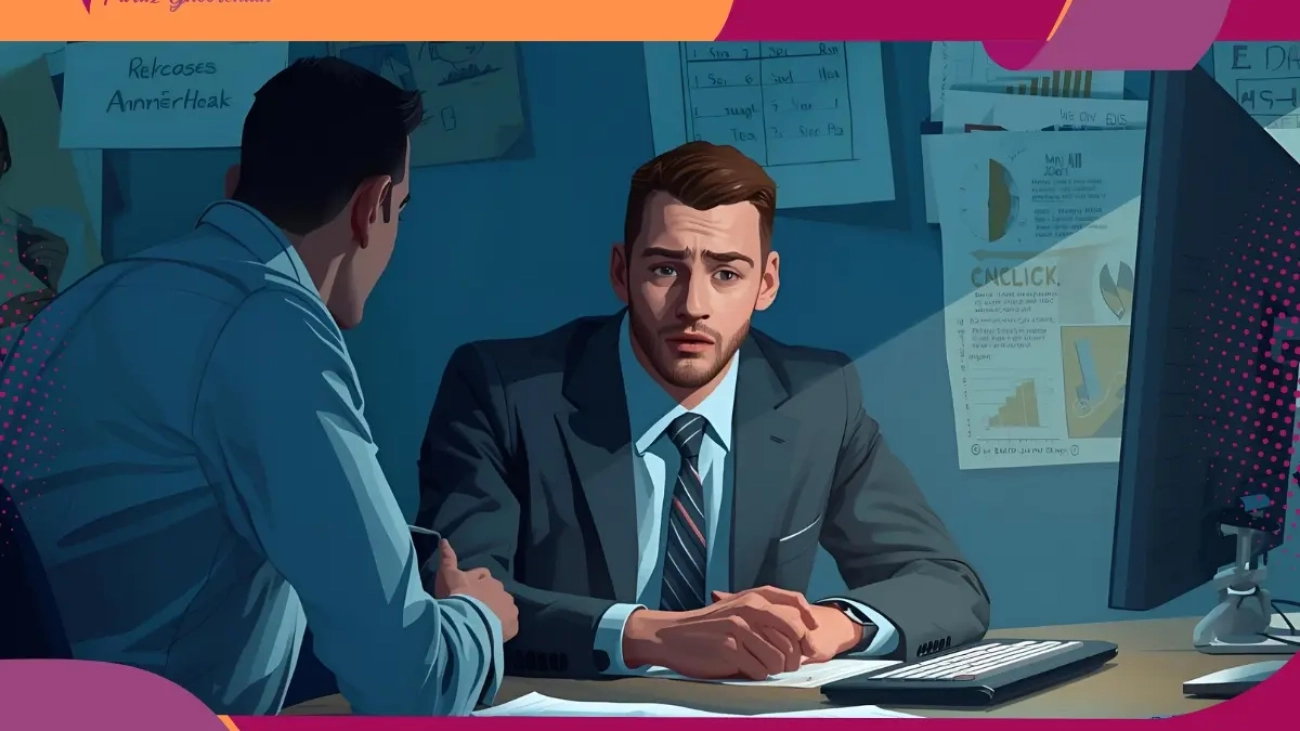
negative bias definition

Negative Bias Psychology: Meaning, Examples, and How to Overcome It

Discover what negative bias psychology is, why the mind focuses on negative experiences, real-life examples, and practical ways to overcome it for healthier thinking.

Introduction

Most people have noticed how one negative comment can overshadow a dozen kind words. This pattern is not accidental. In psychology, it is described as negative bias psychology, the natural tendency of the mind to highlight unpleasant experiences more strongly than positive ones. From an evolutionary view, paying attention to danger once protected human survival, yet in daily life today it often leads to stress and imbalance. A simple negative bias definition is the brain’s habit of storing negative events more vividly than good ones. When researchers explain what is negativity bias, they point to how criticism, loss, or fear stay in memory longer than joy. Grasping the negative bias meaning is the first step toward noticing these thought patterns and learning healthier ways to respond.

What is Negative Bias in Psychology?

Most people already know the feeling, even if they have never heard the term. Negative bias psychology explains why one awkward remark can replay in the mind long after a whole day of pleasant moments. When psychologists talk about what is negative bias in psychology, they mean the built-in habit of giving more weight to unpleasant experiences than to positive ones. It is not a flaw but a survival instinct carried from earlier times when noticing threats could mean the difference between safety and danger.

The negative bias meaning shows up in ordinary life. Someone might forget dozens of compliments but still remember the one piece of criticism that stung. This tendency is often described in research as the core negative bias definition. It is the brain’s way of making sure bad experiences are not easily dismissed.

Scientists still ask what is negative bias in psychology today, because the same instinct that once kept people alert can now lead to stress, anxiety, or even strained relationships. Recognizing it is the first step toward catching the mind in the act and gently choosing to notice the good as well as the bad.

Why the Brain Leans Toward the Negative

From an evolutionary angle, paying fast attention to threat kept people alive. The brain still treats danger as urgent. The amygdala flags possible risks, while the hippocampus helps store them in vivid detail. Stress hormones strengthen that memory tag, so a harsh event lingers longer than a pleasant one. This is why psychology bias types often include patterns that favor caution. In daily thinking, this same tilt is part of negative bias psychology and shows up before a person is even aware of it.

Losses also feel bigger than gains, a pattern known as loss aversion. The learning system updates faster after bad outcomes than after good ones, which nudges choices toward avoidance. Media and social feeds amplify this tendency by rewarding alarming stories with attention. The result is a mind that overweights risk and underweights reward. Understanding negative bias vs positive bias gives people language to notice the tilt and start correcting for it.

Negative Bias vs Positive Bias

When comparing negative bias vs positive bias, the contrast shows how the brain measures experiences unevenly. Negative bias psychology pushes people to notice flaws, risks, or criticism more strongly than praise. By contrast, positive bias reflects a tendency to highlight the good, sometimes even overlooking challenges. Both patterns are part of psychology bias types, yet the negative side usually dominates because it is more deeply wired for protection.

The negative bias meaning becomes obvious in relationships and work. A person may replay a single critical remark for days while forgetting the supportive words that came before it. Positive bias, however, can make someone focus on opportunity and encouragement, creating resilience. The balance between these forces determines whether daily life feels heavy or hopeful. Recognizing this difference helps individuals adjust their reactions, so the weight of setbacks is matched with an equal awareness of success.

Examples of Negative Bias in Daily Life

what is negative bias in psychology today

The pull of negative bias psychology is not just theory. It shows up quietly in the small corners of everyday life, often when people least expect it. Someone may enjoy a good day, but one unpleasant moment is what plays back in the mind at night. These are the kinds of negative bias examples in real life that most people recognize immediately.

  • A student might focus on the one answer marked wrong instead of the many correct ones. That is which is an example of negativity bias found in schools everywhere.
  • In close relationships, a short disagreement can overshadow weeks of calm. The negative bias meaning becomes very clear in those moments.
  • At work, a single critique from a manager can sting more than several compliments. This is often described as what is an example of negative emphasis bias.
  • News feeds and social media make it even louder. Negative headlines and harsh comments linger, showing what is an example of bias in psychology that shapes mood long after scrolling ends and, in some cases, even deepens depression symptoms.

Seen together, these situations reveal how the mind naturally clings to what hurts more than what helps.

Psychology Bias Types: The Bigger Picture

The way people think is never completely neutral. The mind relies on patterns that make decisions faster, but these patterns can also bend reality. One of them is negative bias psychology, yet it sits alongside many others that shape everyday choices.

Researchers often describe a handful of common biases, such as paying more attention to evidence that confirms a belief or giving extra weight to the most recent event. When asked about the different types of bias in psychology, these are usually the first examples given. They show that even simple judgments are rarely as objective as they feel in the moment. Spotting an example of bias in psychology can be eye-opening, because it makes clear just how much perception depends on these hidden shortcuts, especially in areas tied to self-doubt where people may even seek treatment for imposter syndrome.

5 types of bias

When people talk about thinking errors, psychologists often bring up the 5 types of bias that show up most often. These aren’t abstract ideas but patterns almost everyone has noticed in daily life. If someone wonders what are the different types of bias in psychology, the following examples usually help it click.

One of the most familiar is negativity bias, where one bad memory stays louder than several good ones. Then there is confirmation bias, the habit of noticing only what fits with what you already believe. Availability bias makes a recent or dramatic event seem bigger than it really is. Anchoring shows up when the very first number or impression sets the tone for everything that follows. Finally, the halo effect happens when one attractive trait, like confidence, colors the way all other qualities are judged.

Noticing these patterns makes it easier to see what is an example of bias in psychology in real decisions, from everyday conversations to bigger life choices.

Negative Self-Talk and Its Effects

negative bias meaning

One of the most visible ways negative bias psychology shows up is through negative self-talk. The brain does not treat all thoughts equally, and because of its tendency to hold on to unpleasant experiences, the inner dialogue often leans critical. Instead of remembering daily wins, the focus turns to small mistakes, and the mind repeats them like a loop.

This habit has real emotional costs. Constant self-criticism can increase stress, leaving a person less confident and more withdrawn. Researchers point out that the negative bias meaning is not just about memory but also about the voice people hear inside their heads.

Learning to spot these patterns is the first step. Once someone sees how easily the mind exaggerates the negative, it becomes possible to pause, reframe the thought, and create space for a kinder, more balanced perspective.

Overcoming Negative Bias Psychology

Living with negative bias psychology can feel like carrying around a filter that makes the bad moments louder than the good ones. The encouraging part is that the filter is not fixed. When people start paying attention to how their mind reacts, they begin to catch the pattern in action. That simple pause is often the first step in learning how to overcome negativity bias.

One useful habit is to write down a few small wins each evening, no matter how ordinary they seem. This nudges the brain to give space to the positive. Another is practicing gratitude, which shifts attention from what went wrong to what went right. Gentle practices, even something as reflective as asking What is mind cleansing, can quiet the noise and help thoughts settle.

The negative bias meaning becomes less intimidating when shared with others. Talking openly with a friend or mentor softens the harshness of self-criticism. Over time, the pull of negative bias psychology weakens, making room for a mindset that notices risks but also celebrates progress.

Therapy, Growth, and Modern Applications

how to overcome negativity bias

Many people first notice the weight of negative bias psychology when they sit down with a therapist and talk through their thoughts. What often comes up is how the mind can replay one criticism louder than many signs of progress. In that setting, the pattern feels less like a flaw and more like something that can be worked with.

Growth usually comes through steady practice. A few minutes of journaling, learning to pause before reacting, or practicing calm breathing can all shift the balance. For some, these simple steps ease the edge of anxiety, much like the tools used in how to overcome social anxiety disorder. Researchers are now paying close attention to how these habits play out in modern life, especially in workplaces and online spaces. The lesson is simple: once people see the bias clearly, they can begin to loosen its grip and create room for healthier thinking.

Conclusion: A Balanced Mindset

When people begin to notice how negative bias psychology works, it suddenly makes sense why one sharp remark can echo louder than many kind ones. The pattern is part of being human, but it does not have to run the show. By understanding the negative bias meaning, there is space to pause, breathe, and give good moments equal room to matter.

Therapists, writers, and everyday people keep asking what is negative bias in psychology, not to label it as a flaw but to find ways of living with it more gently. A balanced mindset is not about ignoring risks. It is about seeing the whole picture, where caution has its place but optimism has one too. In that balance, growth and resilience begin to take root.


anxiety social disorder symptoms

How to Overcome Social Anxiety Disorder: Practical Steps for a Confident Life

Learn how to overcome social anxiety disorder with proven strategies, treatments, and real-life guidance. Discover causes, symptoms, and solutions today.

Introduction

There is a difference between feeling shy and living with social anxiety disorder. Shyness might make you hesitate before speaking up, but social anxiety can stop you from trying at all. It shows up in small, everyday moments like ordering coffee, answering the phone, or walking into a meeting. Suddenly your chest feels tight, your thoughts are racing, and leaving seems easier than staying. Many people recognize these as anxiety social disorder symptoms, but in the moment it just feels overwhelming.

The truth is, nobody simply snaps out of it. Learning how to overcome social anxiety disorder takes patience, support, and practical tools that actually fit into daily life. This guide is not about theory; it is about what helps people take slow but steady steps toward feeling more comfortable in their own skin.

What Causes Social Anxiety?

what causes social anxiety

When people ask what causes social anxiety, the honest answer is that there isn’t a single reason. It usually develops from several influences working together. For some, it runs in the family. For others, it grows out of difficult experiences at school or home that make social situations feel unsafe. Knowing these roots can make the process of learning how to overcome social anxiety disorder a little easier, because it shows the problem is not a personal weakness.

Some of the common factors include:

  • A family history of anxiety or mood problems
  • Imbalances in brain chemicals that regulate fear and stress
  • Painful childhood memories like bullying or constant criticism
  • A naturally shy or sensitive temperament
  • Stressful life changes such as starting a new job or moving to a new city

These are also among the broader Causes of Anxiety that psychologists recognize across different conditions. Each person’s story looks different, but together these factors help explain why the lifetime prevalence of social anxiety disorder is so high. They also shed light on why the condition shows up in different ways, linking back to the many types of social anxiety people experience.

Types of Social Anxiety

Social anxiety doesn’t look the same for everyone. Some people only feel nervous in a handful of situations, while others find that worry shows up almost every time they interact with people. Recognizing the different types of social anxiety can make it easier to see where the real struggle lies.

  • For some, the challenge comes with performance. Speaking up in meetings or giving a presentation brings intense fear.
  • Others notice it in specific situations, like meeting new people, eating in front of others, or attending social events.
  • Then there are those who live with a more generalized form, where almost every social setting feels threatening. This often shows up with anxiety social disorder symptoms such as sweating, rapid heartbeat, or avoiding eye contact.

It is also important to remember that social anxiety is different from other conditions like Paranoid Personality Disorder, where the fear is less about embarrassment and more about mistrust of others. Knowing which pattern fits best is often the first step toward finding practical ways to manage it and slowly learning how to overcome social anxiety disorder in everyday life.

7 Signs and Symptoms social anxiety disorder

7 signs and symptoms of social anxiety disorder

It’s easy to dismiss social anxiety as simple shyness, but the reality feels very different. People living with it often describe an invisible wall that shows up in everyday moments. The 7 signs and symptoms of social anxiety disorder give a clearer picture of what that wall looks like.

  • Fear of being judged in even the smallest interactions
  • Skipping social events, sometimes with excuses that hide the real reason
  • Physical reactions like shaky hands, sweating, or a pounding heart
  • Finding it hard to hold eye contact, even with people they know
  • Feeling sick to the stomach before an event or meeting
  • Going home and replaying every word said, worrying about mistakes
  • Constant dread of the next social situation on the calendar

These anxiety social disorder symptoms are exhausting. They explain why many people eventually look for social anxiety disorder treatments and why learning how to overcome social anxiety disorder isn’t just about confidence, but about taking back daily life.

Social Anxiety Disorder vs Social Anxiety

It’s normal to feel uneasy before meeting new people or speaking in front of a group. That kind of social anxiety usually passes once the moment is over. Social anxiety disorder vs social anxiety is a different story. The disorder lingers and shapes decisions in ways that ordinary nerves do not.

A person with social anxiety disorder might skip classes, avoid work opportunities, or turn down invitations because the fear feels impossible to manage. Over time, this can limit friendships, career growth, and self-confidence. That is why professionals emphasize treatment. Therapy, gradual exposure, and other social anxiety disorder treatments give people tools that simple willpower cannot. Learning how to overcome social anxiety disorder starts with recognizing that the condition is more than shyness and deserves to be taken seriously.

Social Anxiety Disorder and Depression

It is common for social anxiety disorder and depression to appear together. When someone spends years avoiding situations, turning down opportunities, or feeling judged in silence, it often leads to sadness and hopelessness. This overlap can make it even harder to see a way forward, since the lack of social contact feeds low mood, and the depression, in turn, deepens the isolation.

Professionals explain that while social anxiety disorder is fueled by fear of social settings, depression is marked by loss of energy, reduced interest, and feelings of worthlessness. These differences matter. Knowing them prevents confusion and guides people toward the right social anxiety disorder treatments. For many, therapy can address both conditions at once by working on confidence and mood together.

When the two overlap, progress may feel slow, but improvement is possible. Understanding what is depression alongside anxiety gives people and their families hope. Learning how to overcome social anxiety disorder in this context means tackling both fear and sadness step by step with the right support.

Treatments and Cure Options

social anxiety disorder treatments

People who live with this condition often ask the same question: is there a cure, or am I stuck with it forever? The truth is not simple. There isn’t a single pill or trick that makes social anxiety vanish, but there are proven social anxiety disorder treatments that make it manageable. Most people improve when they combine different approaches and give themselves time.

Some of the tools that help the most are:

  • Cognitive Behavioral Therapy, where you learn to challenge the thoughts that feed the fear
  • Gradual practice, stepping into situations you usually avoid until they feel less threatening
  • Medication, which in some cases takes the edge off so therapy becomes easier
  • Basic habits like better sleep, regular exercise, and mindful breathing
  • Talking with others who know the struggle, whether in a group or community setting

So if someone asks how to cure social anxiety disorder, the honest answer is that it’s more of a process than a cure. With consistency, these steps can reshape daily life and slowly open the door to how to overcome social anxiety disorder in a lasting way.

Practical Steps: How to Overcome It

Figuring out how to overcome social anxiety disorder is rarely about one big change. It usually comes from small actions repeated until they feel natural. For many, those first steps are uncomfortable, but they create the foundation for confidence later on. People who wonder how to get over social anxiety disorder often discover that steady practice in daily life is more effective than waiting for one perfect solution.

Some ideas that often help include:

  • Start with something simple, like making eye contact when you order coffee.
  • Write down the situations that trigger fear and look back afterward to see what really happened.
  • Use slow breathing to calm the body when anxiety social disorder symptoms show up.
  • Instead of avoiding every event, go for a short time and leave once it feels enough.
  • Lean on friends or a support group, because encouragement makes the journey easier.

People sometimes ask, how do I break out of social anxiety quickly. The honest truth is that change takes time. Still, progress comes faster than most expect when those small steps are consistent. Even tiny wins add up. This is the most realistic path toward how to overcome social anxiety fast and toward a life that feels more open.

Daily Life and Work Considerations


Living with social anxiety disorder doesn’t stop once therapy ends or after a single victory. It shows up in the quiet parts of daily life, in routines, and especially at work. A presentation, a team lunch, even picking up the phone can feel heavier than they should. For many, this is simply what life with social anxiety disorder looks like on a daily basis.

Some small adjustments make a difference:

  • Looking for good jobs for people with social anxiety disorder, roles where communication is steady but not constant
  • Preparing for meetings in advance, so words come easier when the moment arrives
  • Using breathing or grounding exercises when anxiety social disorder symptoms creep in during the day
  • Setting modest goals, like speaking once in a group discussion, then building from there

When ignored, pressure often piles up and turns into the consequences of workplace stress. But with patience and the right support, daily life becomes a place to practice rather than avoid. This is one of the ways people slowly learn how to overcome social anxiety disorder in real-world settings.

Long-Term Outlook

Living with social anxiety disorder can feel like it stretches into every part of the future. The truth is, it doesn’t go away overnight, but with time and steady effort, things can change. Progress often looks uneven. There are good weeks and harder ones, yet the overall direction can be forward if the right support is in place.

A few things are worth remembering:

  • The lifetime prevalence of social anxiety disorder is high, which means many others are walking the same path
  • Left untreated, the long term effects of social anxiety disorder can touch relationships, work, and even physical health
  • Combining therapy with small daily practices builds real, lasting improvement
  • Hearing about a famous person with social anxiety disorder often reminds people that success is possible despite the struggle

Research also shows that the long-term effects of stress on the body are serious, which is why early action matters. The long view is not about curing everything at once but learning how to overcome social anxiety disorder in ways that make life gradually more open and less restricted.

Conclusion

For anyone living with social anxiety disorder, the road ahead can seem long. But change does happen. It usually begins with small choices, like showing up to an event for ten minutes or talking honestly with a therapist about fears. Those small steps, repeated, start to shift how life feels.

Paying attention to anxiety social disorder symptoms is important, but so is remembering that you’re not alone. Many people have found relief through different social anxiety disorder treatments, and what works best is often a mix of strategies rather than one answer.

Learning how to overcome social anxiety disorder takes patience. Some days feel easier, others harder, but progress adds up. What matters most is not giving up on the process. Over time, with support and practice, people discover real ways of how to overcome social anxiety disorder and begin living more freely, with more connection and less fear.

Stop Sexting to You

How to Get Someone to Stop Sexting You; Practical Steps for Online Safety & Respect

Introduction

It’s a situation more common than people admit: you open your phone and find an unwanted sexual message sitting in your inbox. Whether it’s from a stranger or someone you know, handling it can be difficult. How to get someone to stop sexting you is a concern for anyone who values their privacy and emotional safety online. In this guide, we’ll share practical, research-backed ways to stop unwanted sexting, protect your online privacy in chats, and set healthy digital boundaries, no matter who is on the other end.

Understanding Why Sexting Happens: The Psychology Behind Unwanted Messages

Before you can truly address how to get someone to stop sexting you, it helps to understand why these messages happen in the first place. The psychology of sexting behavior is complex, often involving blurred boundaries, impulsivity, or a misunderstanding of consent. Some individuals may not realize the social consequences of sexting, while others intentionally ignore boundaries, turning messages into harassment. In some cases, people feel emboldened by the anonymity of online interactions. Recognizing these motives is crucial for anyone trying to stop unwanted sexting and promote respectful communication online. By knowing what drives this behavior, you can respond with more confidence and protect your online privacy in chats.

Stop Sexting You

First Reaction: What to Do When You Receive an Unwanted Sext

The moment you receive an unwanted sexual message, it’s normal to feel shocked or even anxious. Your first reaction to sext message can set the tone for what happens next. Stay calm and avoid responding immediately, as a quick reply can sometimes escalate the situation. Instead, take a screenshot to document the message for your records, especially if you might need to report unwanted sexual messages later. Remember that protecting your online privacy in chats should always be your priority. If the sender is someone you know, let them know their behavior is unacceptable. Setting boundaries early is essential for anyone learning how to get someone to stop sexting you and prevent further contact.

manage your sexual energy | sexual transmutation

Establishing firm boundaries is vital when you want to stop unwanted sexting and maintain your sense of safety online. Knowing how to deal with someone sexting you starts with understanding your right to set limits and protect your comfort. Knowing how to say no online gives you the confidence to communicate directly and respectfully. Use clear language such as, “I’m not comfortable with these messages,” or, “Please stop sending this content.” You do not need to justify your feelings. This assertiveness is essential whether you’re dealing with a stranger or someone you know personally. If the person continues to ignore your requests, consider using features to block harassers on social media and keep your space protected. Remember, managing your digital boundaries is a form of self-care and helps you manage your sexual energy in positive ways.

Technology and Tools: Privacy Settings and Anti-Harassment Solutions

Modern technology offers powerful ways to protect yourself if you want to stop unwanted sexting and regain control over your digital life. With the rise of technology and online harassment, it’s important to stay proactive in safeguarding your personal space. Start by reviewing privacy settings to avoid sexts on every app you use. Most social media and chat platforms allow you to restrict who can send you messages, filter requests, or hide your profile from strangers. Using these features makes it harder for unwanted contacts to reach you. If problems persist, don’t hesitate to block harassers on social media for immediate relief. There are also anti-harassment apps designed to track, filter, and even automatically report abusive messages, making online spaces safer. Regularly update your security settings and passwords to strengthen your online privacy in chats. If you ever feel unsure about the best steps to take, you can Ask ChatGPT for additional guidance on staying safe. Taking these steps not only prevents further issues but also demonstrates how technology can be part of your sexual transmutation, turning negative experiences into stronger boundaries and personal growth.

 how to Stop Sexting to You

Reporting Unwanted Sexual Messages: Legal and Platform Options

When you’re faced with repeated or aggressive sexual messages, knowing how to report unwanted sexual messages is essential for protecting yourself and holding the sender accountable. Most platforms provide clear steps to flag or report inappropriate content, which helps enforce community standards and can quickly stop receiving sexual messages from that person. In many regions, cyber harassment laws support your right to take legal action if the behavior escalates or feels threatening. If you’re unsure whether the messages meet the definition of what is sexual abuse or harassment, check your country’s laws or consult a legal expert. Understanding is sexting harassment illegal gives you the confidence to act and ensures your experience is documented, making it easier to protect your online privacy in chats and create a safer digital environment.

Addressing Sexting at Work and with Colleagues

Navigating sexting at work from colleague requires a careful, professional approach. If you receive an inappropriate message from someone at your workplace, document the interaction and avoid engaging with the sender. Protecting your online privacy in chats at work is just as important as it is in your personal life. Most organizations have clear policies regarding digital conduct and harassment, so don’t hesitate to report the incident to your human resources department. This step helps you stop unwanted sexting while ensuring your work environment remains safe and respectful. Remember, workplace sexting is often a violation of both company rules and cyber harassment laws, and addressing it swiftly can prevent further issues and promote a culture of respectful communication online.

For Parents: Parental Guide to Sexting Messages and Teen Online Behavior

For parents, understanding how to get someone to stop sexting you is not just a personal concern, but also a vital topic for protecting teens online. Start by having honest conversations with your children about teaching teens online behavior and the risks involved in digital communication. Encourage your child to speak up if they ever receive inappropriate messages and show them how to use privacy settings to avoid sexts. Use parental controls and check in regularly to help guide safe online habits. If unwanted messages do occur, support your teen in blocking the sender and, if necessary, report unwanted sexual messages to the relevant platform. Staying proactive ensures your child’s online privacy in chats and helps them develop digital confidence and resilience.

Stop Sexting

Promoting Respectful Communication Online

Building a culture of respectful communication online benefits everyone, whether in personal chats or public forums. When people understand digital boundaries and consent, it becomes much easier to stop unwanted sexting before it starts. Encourage your friends, family, and colleagues to value privacy and speak up if they feel uncomfortable. If you’re in a relationship, don’t hesitate to tell your partner their sexts are uncomfortable if they cross a line or make you uneasy. Discussing the social consequences of sexting and the importance of empathy can shift online interactions toward healthier, more supportive spaces. Promoting these values helps protect online privacy in chats and ensures digital platforms remain safe for all users.

The Mental Health Impact: Coping and Support Resources

Receiving unwanted sexual messages can lead to stress, anxiety, or even lasting emotional effects. The mental health effects of sexting should never be ignored, especially if repeated incidents leave you feeling overwhelmed. It’s important to reach out for support from trusted friends, mental health professionals, or online communities. Redirecting your focus through Transformation of Sexual Energy can also help channel emotions into positive self-care and growth. Knowing how to stop unwanted sexting and set boundaries is empowering, and accessing support resources will help protect your well-being and restore your sense of control over online privacy in chats.

Conclusion

Dealing with unwanted sexual messages is challenging, but you have the power to take control of your digital boundaries. By understanding how to get someone to stop sexting you, setting clear limits, and using tools to stop unwanted sexting, you protect both your peace of mind and your online privacy in chats. Remember, blocking harassers and reporting messages are your rights on any platform. Prioritizing your well-being, educating others, and knowing when to seek help all contribute to a safer online space. Embracing respectful communication is key to lasting change for yourself and your community.

how to Stop Sexting

FAQs

1- How do I stop unwanted sexting from strangers?

Update your privacy settings to avoid sexts, use blocking features, and report offenders on the platform. These steps make it harder for strangers to contact you again.

2- Is sexting harassment illegal?

Depending on your location, laws vary, but cyber harassment laws often cover persistent or unwanted sexual messages. It is important to document evidence before reporting.

3- Can I protect my online privacy in chats at work?

Yes, utilize secure communication tools, follow workplace guidelines, and report any sexting at work from colleague to human resources or a trusted supervisor.

4- What is sexual abuse and how is it different from sexting?

While not all sexting is abusive, sending explicit content without consent can become harassment or even sexual abuse if boundaries are ignored. Recognize your rights and seek help if needed.