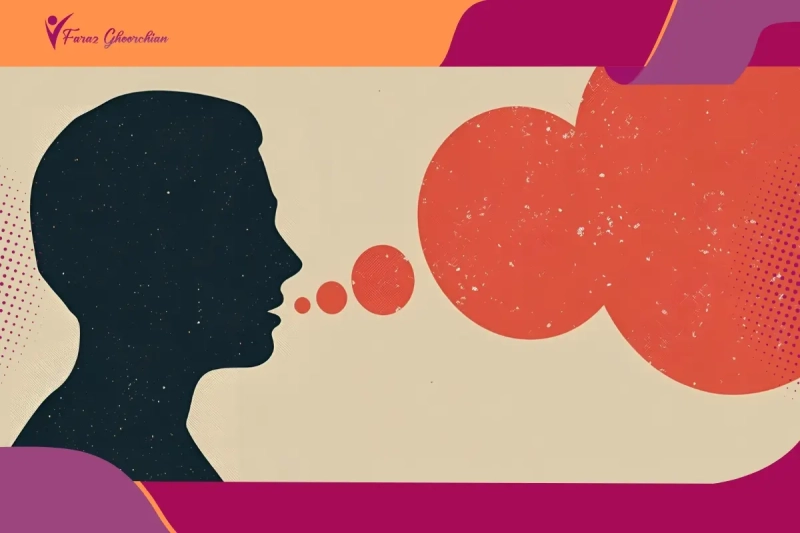
Learn what is anxiety, its causes, symptoms, and treatment options. Discover how to manage anxiety, improve mental health, and live with more balance.
Introduction: What Does Anxiety Mean?

Most people have felt anxiety at some point, even if they did not call it by that name. It can be the knot in the stomach before a meeting, the restless night ahead of an exam, or the constant voice in the mind that asks “what if.” In simple terms, what is anxiety is the body’s natural response to pressure or uncertainty. Yet what does anxiety mean in daily life is more than nerves; it is a mix of emotions and physical reactions that sometimes stay long after the stressful moment has passed. When understood clearly, what is anxiety becomes less of a mystery and more of a signal that the mind and body need attention, care, and healthy ways to cope.
What is Anxiety Disorder?
When people talk about what is anxiety, they usually mean ordinary stress that passes once the situation is over. By contrast, what is anxiety disorder refers to something that does not simply fade away. The worry stays in the background day after day, sometimes becoming so strong that it shapes how a person eats, sleeps, or works. It can show up in the form of racing thoughts, tension in the body, or an urge to avoid places and situations altogether.
Doctors point out that anxiety disorder can also overlap with depression symptoms, which makes daily life even harder. The key difference is persistence. Ordinary nerves end when the event ends, but a disorder lingers and repeats. Once this line is crossed, professional support often becomes necessary so that the individual can find relief and begin building healthier coping strategies.
Types of Anxiety Disorders
When people learn about the many types of anxiety disorders, they often realize why no two experiences of worry feel the same. While what is anxiety can describe everyday tension, a disorder takes on patterns that are more specific and long-lasting. Professionals usually group them into a few main categories:
- Generalized Anxiety Disorder (GAD): constant worry about ordinary matters like money, health, or family that never really quiets down.
- Social Anxiety Disorder: fear of being judged or embarrassed in public, which may cause someone to avoid gatherings or speaking up at work.
- Panic Disorder: sudden episodes of intense fear, often mistaken for medical problems because of symptoms like chest pain or dizziness.
- Phobias: overwhelming fear linked to one situation or object, such as flying, driving, or animals.
- Obsessive-Compulsive Disorder (OCD): recurring thoughts and repetitive actions that bring only brief relief.
In some cases, these conditions overlap with traits of Paranoid Personality Disorder, which makes diagnosis more complicated. Knowing the types of anxiety disorders gives people a clearer path to finding help that matches their own experience.
What Causes Anxiety in the Brain?
The roots of anxiety often start inside the brain itself. When people ask what causes anxiety in the brain, specialists point to the amygdala, the part that decides whether something feels safe or threatening. In some people, it sounds the alarm too often, as if daily challenges were real dangers. Along with this, chemical messengers such as serotonin and dopamine can fall out of balance, which leaves the nervous system more reactive than it should be.
Everyday pressure adds to the problem. Someone facing constant deadlines may notice how the effects of stress at the workplace keep their mind racing even at night. Over time the brain learns this pattern and struggles to switch off. Understanding these processes makes anxiety less of a mystery and shows why treatment often focuses on calming both the body and the thought patterns that fuel it.
Common Causes of Anxiety in Daily Life

For many people, the causes of anxiety are not rare or dramatic moments but the small, steady pressures that show up every day. These triggers creep in quietly until the body and mind feel stuck in worry. Some of the most common ones are:
- Work stress. Long hours and unfinished tasks often follow people home, keeping their thoughts restless at night.
- Money problems. Worrying about bills or unstable income is one of the strongest sources of ongoing tension.
- Arguments with a partner or feeling ignored by close friends can leave someone on edge.
- Health issues. Waiting for test results or living with a chronic condition can feed uncertainty.
- Social media. Comparing life with others online often leads to doubt, and learning how to cope with fomo is one way to reduce this pressure.
By noticing these everyday causes of anxiety, a person can begin to see patterns and take small steps toward easing them instead of letting stress pile up unchecked.
Symptoms of Anxiety and Early Warning Signs
The first step in handling anxiety is learning to spot the signals before they take over. The symptoms of anxiety often begin quietly, and many people mistake them for ordinary stress. With time, though, they grow stronger and start to shape how a person thinks, feels, and even reacts physically. Some of the early signs include:
- Restless thoughts. The mind keeps circling back to the same “what if” questions.
- Tension in the body. Shoulders feel tight, sleep is shallow, and headaches become more frequent.
- Difficulty focusing. Reading a page or finishing a task feels harder because the brain is busy worrying.
- Mood changes. Irritability or snapping at loved ones without a clear reason.
- Physical reactions. A pounding heartbeat, shaky hands, or sweating, similar to the Effects of Stress on Your Body.
Recognizing these symptoms of anxiety early gives someone the chance to pause, seek support, and build healthier coping tools before the cycle deepens.
What is Anxiety Attack?
People often ask what is anxiety attack, especially after experiencing one for the first time. It usually comes suddenly, with a rush of fear that feels out of proportion to the situation. The body reacts quickly: the heart pounds, breathing feels tight, and hands may tremble. Some even think they are having a heart problem, which only increases the panic.
Experts explain that when we talk about what is anxiety attack, we are really describing the brain’s alarm system switching on at the wrong time. The body prepares for danger even when there is none. Although the episode eventually fades, the memory of it can make a person more afraid of having another one. Knowing what is anxiety attack helps people put a name to the experience and take the first step toward managing it with the right support.
Symptoms of Anxiety Attack

Learning to recognize the symptoms of anxiety attack helps people separate it from ordinary stress. When an episode begins, the body often reacts before the mind fully understands what is happening. The heart may beat faster, breathing feels shallow, and a wave of dizziness can appear out of nowhere. For some, there is a tightness in the chest or a sense of being unable to catch their breath.
Specialists note that the symptoms of anxiety attack are powerful enough to be confused with serious medical problems. Shaking hands, sudden sweating, or even nausea often convince someone that they are in danger, which intensifies the fear. Unlike regular worry, these reactions come quickly and feel overwhelming. By understanding the symptoms of anxiety attack, individuals can reduce uncertainty, respond with calming strategies, and seek the right care rather than living in constant fear of the next episode.
Treatment Options and How to Improve Anxiety
Finding the right treatment options for anxiety is rarely about one quick fix. Most people improve when different approaches are combined, allowing both the body and mind to settle. Learning how to improve anxiety is often about small, steady changes that build up over time.
Some approaches that often make a difference are:
- Talking with a trained professional, especially through cognitive behavioral therapy, helps reshape unhelpful thought patterns.
- For some, carefully prescribed medicines balance brain chemistry and reduce the intensity of symptoms.
- Daily habits. Regular exercise, better sleep, and a healthier diet support recovery more than many realize.
- Breathing techniques or short meditations can calm racing thoughts and steady the body.
When people ask what is the best treatment for anxiety, the honest answer is that it depends on the person. By combining professional guidance with practical habits, most find a balance that not only eases symptoms but also teaches them how to improve anxiety in daily life.
How Can You Deal with Anxiety in Daily Life?
When people ask how can you deal with anxiety, the answer is often less about a single cure and more about the daily choices that slowly shift how the mind and body respond to stress. Anxiety may feel heavy, but small routines can make it easier to carry.
Movement is one of the simplest tools. A walk outside or a few minutes of stretching can calm racing thoughts and relax tense muscles. Sleep matters too. Going to bed at a regular time helps the brain reset, which makes it easier to face the next day. Writing in a journal or practicing slow breathing gives the mind a chance to pause before worry takes over.
Another part of learning to manage anxiety is staying connected. Talking with friends, joining a support group, or even sharing small struggles out loud often lifts the sense of isolation. Over time, these everyday steps give people practical answers to the question of how can you deal with anxiety and remind them that progress is possible.
Conclusion
For anyone trying to understand what is anxiety, it helps to remember that it is not simply nervousness but a real condition that can affect both mind and body. Paying attention to the early symptoms of anxiety gives people the chance to act before it grows heavier. When the worry becomes constant, recognizing it as what is anxiety disorder is an important step toward getting the right support.
There is no single answer to what is the best treatment for anxiety, but progress usually comes from a mix of professional care and small daily changes. With time and consistency, anxiety can shift from something that controls life to something that can be managed. The more clearly people understand what is anxiety, the easier it becomes to face it with confidence and hope.