Discover the color psychology blue, its meanings in psychology, emotions, personality traits, spiritual symbolism, and practical uses in marketing.
Introduction to Color Psychology Blue
Think for a moment about the last time you stood under a clear blue sky or watched the sea stretch endlessly to the horizon. That instant calm you felt is exactly what psychologists try to capture when they study color psychology blue. People don’t just see blue, they experience it—it slows the heart, softens the voice, and builds a quiet sense of trust.
Researchers exploring blue in color psychology often point out how naturally this color shows up in daily life, from the clothes we choose on important days to the brands we rely on for security. The pull of blue psychology color is subtle but powerful, and the color psychology of blue continues to remind us why it has always been linked with peace, reliability, and human connection.
Historical and Cultural Views of Blue
Blue has always meant more than just a color. In ancient Egypt, it was crushed from rare stones and used sparingly, almost sacredly, in tombs and jewelry. People believed it carried something eternal, like the sky itself. The Greeks, on the other hand, saw it as protective. They slipped bits of blue into charms, trusting that it could keep harm away. It is striking how even without words like “psychology,” they sensed what we now describe as color psychology blue.
In parts of Asia, blue came to stand for balance and healing. It appeared in pottery, in cloth, in the everyday details of life. Later, in medieval Europe, painters draped saints in deep shades of blue, letting blue psychology color become a sign of purity and loyalty. Those meanings have never really disappeared. When someone today feels at ease in a blue space, or trusts a brand that uses it, they’re reaching back into centuries of tradition. That’s the quiet pull of blue in color psychology.
What Does The Color Blue Mean in Psychology?
Ask a few people what blue makes them think of and the answers are rarely surprising: calm skies, quiet oceans, maybe even the safety of a uniform. The blue color meaning in psychology builds on these very instincts. Studies show it helps people feel grounded, slows the heart just a little, and invites clarity. It is the shade people turn to when they want their surroundings to soften stress instead of add to it. Guides on How to Be Less Stressed often point to blue for this very reason, since the color naturally creates a calmer environment.
When researchers explore what does blue mean in color psychology, trust is the word that comes up again and again. Companies use it to appear steady, and individuals drawn to blue often prefer routines and honesty in daily life. For them, stability isn’t boring; it’s freedom. That is the quiet force of color psychology blue. It shapes decisions and moods gently, almost invisibly, like the background of a clear day that you only notice once it’s gone.
What Are the Emotional Effects of Blue?
Blue is one of those colors that almost everyone reacts to, even if they don’t realize it. The emotional effects of blue show up quietly in daily life: a softer breath when looking at the sea, a calmer mind under a clear sky. Psychologists often say the shade reduces tension, but anyone who has felt that calm already knows.
- People often describe it as peaceful, the color that takes the edge off stressful moments.
- In offices, the presence of blue can encourage focus, a reminder that color psychology blue touches both mood and performance.
- When asked what emotion is connected to blue, the answers that surface most often are trust and honesty.
- For many, the color psychology of blue also carries a sense of stability, the feeling that things will hold steady even when life doesn’t.
That is the quiet magic of this color: it influences without demanding attention, shaping emotions in ways that feel natural rather than forced.
Blue Color Personality Traits
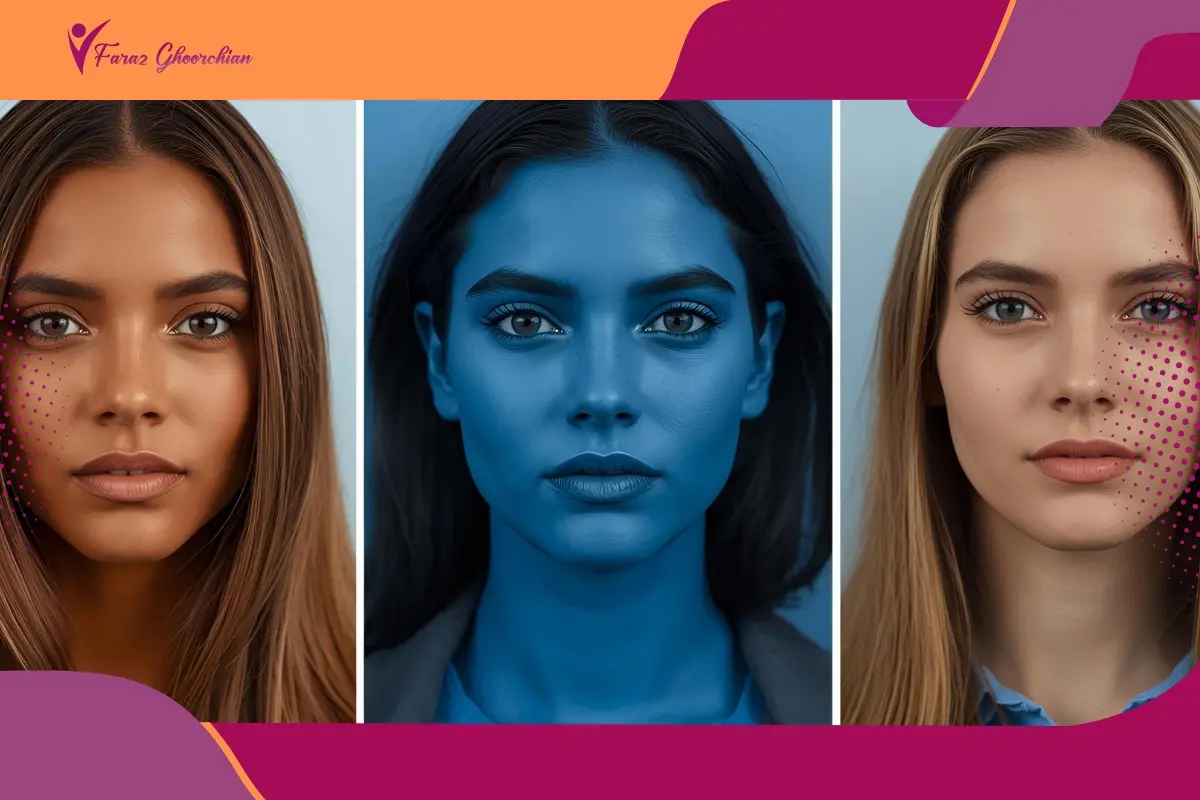
People who are drawn to blue often share similar qualities, even if they’ve never thought of themselves that way. The idea of a blue color personality isn’t about liking one shade more than another, but about the patterns it reflects in behavior and values. Someone with this tendency is usually steady, thoughtful, and the kind of person others instinctively trust.
- They value honesty and expect the same in return.
- Routines give them comfort, which ties closely to the blue color meaning personality.
- When asked what is a blue color personality, psychologists often mention reliability and calm under pressure.
- Their sensitivity to harmony links back to the quiet influence of blue psychology color.
In practice, these traits make blue personalities dependable friends, reliable colleagues, and often the “anchor” in their relationships. The color psychology of blue suggests that what might look like caution is often a deep preference for stability and truth.
Spiritual and Life Interpretations of Blue
People have always seen something spiritual in blue. Stand under a wide sky or sit near the sea and you’ll notice how it settles you, almost as if the color itself is protective. In many traditions, it has been linked with prayer and healing, not because someone defined it that way, but because the feeling was obvious. When someone asks what does the color blue mean spiritually, the answers tend to be simple: peace, clarity, renewal.
In love, blue isn’t fiery. The blue meaning in love is quieter, a sign of loyalty and steadiness. The blue meaning in life points toward honesty, a search for truth, and the comfort of stability. Even simple advice on how to live a romantic life often comes back to these qualities, suggesting that calm and trust matter as much as passion.
Blue rarely announces itself. It works quietly in the background, shaping belief, guiding affection, and giving people a sense of safety they might not even realize is there.
Blue in Color Psychology Examples from Daily Life

Most people don’t think twice about how often blue shows up around them. It’s on the walls of bedrooms meant for rest, on the shirt someone pulls out before an important meeting, and in the logos of banks or tech companies that want to be seen as dependable. The pull of color psychology blue is everywhere, but it works quietly in the background.
- A blue jacket at an interview makes the wearer look steady, even before saying a word.
- Pale blue in a bedroom softens the mind at the end of a long day.
- Offices that use the shade often feel calmer, helping people focus longer.
- Logos in blue make customers feel they are choosing safety.
These little details, the blue in color psychology examples we pass by without noticing, explain why the color feels so deeply trusted. It isn’t just theory. It’s in daily choices, shaping how people dress, work, and even how they decide which brands to believe in.
Color Psychology of Blue in Marketing

Walk through any city street and pay attention to the signs around you. So many of them are blue. Banks, airlines, and tech companies all turn to the same color, and it is not by accident. The color psychology of blue makes people feel safe, and safety is the first thing you need if you want trust. When researchers ask what does blue mean in color psychology, words like confidence and honesty keep showing up, which explains why brands lean on it so heavily. Marketers often share color psychology in marketing examples to show how this shade consistently builds trust across industries.
A few everyday examples make the point clearer:
- A bank using navy tones signals strength before you even step inside.
- Tech firms soften the shade to suggest innovation and openness.
- Hospitals and clinics often rely on blue walls or uniforms to calm nerves.
- Retail packaging with hints of blue feels dependable, even before the product is tried.
Some businesses experiment with warmer colors, but they usually come back to blue because it steadies the message. Others bring in tones like color psychology green for growth, yet blue remains the backbone. The blue psychology color in marketing works quietly, convincing customers they can relax and believe in what they are being offered.
Relationships, Emotions, and Communication
Blue has always carried a reputation for honesty. When people talk about the color psychology blue, they often describe it as steady and open, the kind of tone that makes conversation easier. It is not about perfection, but about trust, and that quality is what holds most relationships together.
Ask psychologists what emotion is connected to blue and the answers usually touch on calmness. A calmer mind listens better, speaks softer, and is less likely to turn every disagreement into a battle. In that way, the blue psychology color quietly shapes how people connect, making space for clarity when emotions run high.
Writers sometimes call this emotional relationship literacy, the ability to read a moment and respond with care. Families, friendships, and even workplace teams benefit from the same thing: a tone of sincerity. The color psychology of blue supports that tone, giving people the feeling that it is safe to open up.
In the end, color psychology blue is not just theory. It is a reminder that the hues surrounding us influence how we speak, how we listen, and how deeply we connect with others.
Practical Guidance: Applying Blue in Daily Life
Blue is easy to live with, which may explain why it turns up so often in daily routines. A light shade on the wall of a bedroom can make the space feel restful, while a navy jacket worn to a meeting gives off quiet confidence. People sense these effects long before they ever think about psychology.
In work settings, blue is often used to keep focus steady, while at home it has the power to soften stress. Small details carry the same influence: a notebook with a blue cover, a favorite scarf, or a splash of color in a corner of the house. Even simple design choices can create calm without anyone consciously noticing.
Writers who share Color Psychology Tips often suggest beginning with little steps like these. They remind us that color is not only something we see, but something we feel. Blue, more than most shades, works gently in the background, shaping mood and balance in ordinary life.
Conclusion
Blue has always had a way of working quietly in the background. It softens a room, steadies a conversation, and gives brands a sense of trust before a word is spoken. The color psychology blue helps explain why, but most people don’t need research to feel its pull. They already know it from the calm of the sky or the depth of the sea.
When asked what does blue mean in color psychology, the answer is often simple: it makes life feel a little safer, a little clearer. That is its strength. Not in shouting for attention, but in staying constant, reminding us that some of the most powerful influences are the ones we hardly notice.