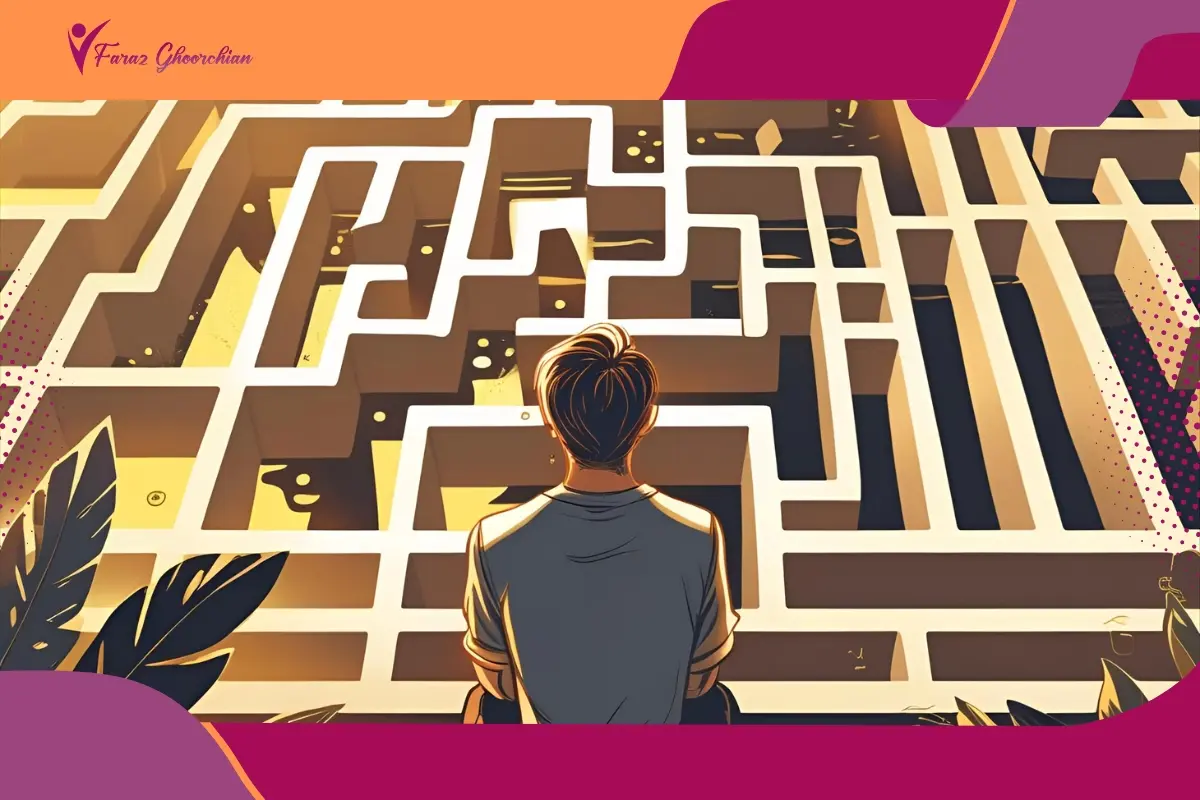
What Is Active Listening

What Is Active Listening? Meaning, Purpose, Skills, and Real-Life Examples

Discover what is active listening, its definition, purpose, and skills with practical examples. Learn why active listening is vital in communication and business.

Introduction: Why Active Listening Matters

If someone asks what is active listening, the honest answer is that it feels very different from just hearing words. Think about a moment when you spoke to a friend and knew they were really paying attention. Their eyes, their silence, even the way they reacted told you they understood. That is the simplest way to sense the active listening definition in action.

People often discover its value in small, ordinary talks rather than big events. In a workplace meeting or a late-night chat at home, what is active listening in communication becomes clear: it builds trust and reduces the chance of misunderstanding. Once you notice what active listening means, it is hard to ignore how much stronger conversations become when it is present.

What Is Active Listening?

active listening definition

If someone asks what is active listening, the answer is easier to feel than to define. Think of a moment when you told a story and the other person leaned in, paused before replying, maybe repeated a part of your words back to you. That small act made you feel heard. Compare that with talking to someone who says ā€œuh-huhā€ while scrolling on their phone. The difference explains more than any formal active listening definition ever could.

At its core, what active listening means is giving real attention. It is noticing the words, but also the tone, the silence, and the emotion behind them. In practice, what is active listening in communication shows up when a listener checks for understanding or asks a thoughtful follow-up. It may sound simple, but once people experience it, they quickly see how it changes the quality of conversations.

The Purpose of Active Listening

When people wonder what is the purpose of active listening, the answer is usually tied to how it makes others feel. Think of a conversation where someone puts their phone aside, looks at you, and waits before answering. That moment says your words matter. This is why guides on what is active listening and why is it important often describe it as a foundation for trust.

Another purpose is avoiding confusion. In fast meetings or family discussions, words get lost or misread. Active listening slows the pace. It gives both sides the chance to check if the message was actually understood. When people learn what is the goal of active listening, they see it is not about being polite but about building stronger and clearer relationships.

The real purpose, at the end, is simple. It helps people feel heard, and once that happens, conversations stop being shallow and turn into meaningful exchanges.

Key Active Listening Skills

6 key active listening skills

When people talk about what is active listening skills, they usually mean the small habits that change an ordinary chat into something meaningful. It is easier to notice these habits in practice than on paper, but the following 6 key active listening skills give a good starting point.

  • Paying full attention: putting aside the urge to check messages or think about the next task.
  • Showing small signals: a nod, a short ā€œyes,ā€ or an encouraging smile to keep the speaker going.
  • Paraphrasing: repeating part of what was said, not like a robot, but in your own words to be sure it is right.
  • Asking gentle questions: opening the door for the other person to explain more.
  • Watching tone and expressions: sometimes the look or pause carries more weight than the sentence.
  • Responding after a pause: letting the speaker finish fully before adding your view.

Together these steps show what active listening means in real life. They make conversations smoother and explain what is active listening and why is it important in building trust both at home and at work.

The Last Step of Active Listening Strategy

When people ask what is the last step of active listening strategy, the answer usually points to checking back with the speaker. It is that moment when the listener says, ā€œSo, if I understood you rightā€¦ā€ and repeats the main idea in their own words. It looks simple, but it carries weight because it shows the speaker they were not just heard, they were understood.

This final step matters for another reason too. It helps prevent small mistakes from turning into big ones. By reflecting and confirming, the listener shows respect and creates space for correction if something was missed. That is why experts say this step is tied closely to what is the goal of active listening: moving past hearing words to creating clarity, trust, and a shared direction.

Active Listening in Communication

When people look at what is active listening in communication, the real difference shows up in how it feels. A person who simply hears the words may nod, but the speaker often senses they are only half there. With active listening, attention shifts. The listener notices tone, pauses, even the energy in the room, and responds in a way that proves they were truly present.

Part of this involves nonverbal signals. Simple eye contact or an open posture can matter as much as words. These pieces of body language tell the speaker they are being taken seriously. Small things like paraphrasing a sentence or asking one thoughtful question are everyday active listening examples that change the flow of a conversation.

At its core, what active listening means in communication is connection. It helps prevent conflict, clears up confusion, and makes both sides feel respected. That is why many guides stress what is active listening and why is it important for personal and professional life.

Active Listening in the Workplace

When people ask what is active listening in the workplace, the clearest way to explain it is to think of a meeting. One employee speaks, and the manager pauses, repeats the main point, and asks if that summary is right. That moment shows respect and keeps everyone on the same page. It also explains why what is active listening in business communication is often linked to stronger teamwork.

Good listening helps more than just clarity. It creates a space where colleagues feel safe to share ideas. Many problems at work are not about lack of skill but about people talking past each other. A team that practices active listening avoids that trap, and their Problem-solving skills naturally improve.

In the end, learning what is active listening and why is it important at work is about trust. When people feel heard, cooperation grows, conflicts shrink, and the workplace becomes a healthier environment for everyone.

Active Listening in Psychology

In clinical work, what is active listening in psychology refers to a therapist’s deliberate attention to both the client’s words and the emotions underneath. It grows out of person centered traditions and is used across modalities because it strengthens the therapeutic bond. A useful active listening definition in this context is sustained, nonjudgmental presence that reflects content and feeling back to the client so they can hear themselves more clearly and feel safe enough to explore.

In practice, therapists rely on micro skills such as attending, gentle prompts, paraphrasing, reflection of feeling, and brief summaries. These moves model calm regulation and help clients organize their story without rushing. That is what active listening means in the room. Common Active listening examples include a short recap of the client’s main point, a check for accuracy, and a validating line that names the emotion the client is struggling to express. In many cases, this process also deepens reflection and supports the client’s journey toward understanding what is self-knowledge, leading to clearer insight and steadier progress.

Practical Examples and Techniques

what is active listening in communication in visible habits

Below are simple moves that show Active listening examples and reveal what active listening means in real conversations. Each one is small on its own, but together they change the tone of a dialogue.

  • Start with attention: set devices aside, meet the speaker’s eyes, and offer brief encouragers. This anchors what is active listening in communication in visible habits.
  • Paraphrase a key idea, then ask a short clarifying question to check accuracy. That reflects the 6 key active listening skills in a natural way.
  • Name the feeling you hear, not just the fact. This deepens trust and clarifies intent; classic Active listening examples rely on emotion labeling.
  • Pause before responding, then summarize next steps to confirm understanding. This mirrors what is the last step of active listening strategy and prevents confusion.
  • In team settings, say agreements out loud and record action items. That is how what is active listening in the workplace turns presence into reliable follow through.
  • In coaching or counseling, reflect the client’s phrase and invite insight. This aligns with what is active listening in psychology and supports safer exploration.
  • For steady practice, choose one habit each week from 10 ways to improve communication skills and track it until it feels automatic.

Used together, these techniques illustrate what is active listening and why is it important for clearer conversations, stronger rapport, and better outcomes.

Benefits of Active Listening

When people ask what is active listening and why is it important, the answer shows up in everyday life. Conversations change when someone feels heard, and so do relationships. The benefits are not just abstract theories; they are visible in small but powerful ways.

  • Trust grows quickly: A colleague who listens carefully makes the team feel safer to share. That is why many guides on what is active listening in business communication connect it with stronger cooperation.
  • Fewer mistakes: Active listening slows things down and helps confirm details. This reflects what is the goal of active listening in practice.
  • Confidence rises: People often report Increased self-esteem when their words are taken seriously.
  • Sharper thinking: Careful listening strengthens focus and improves everyday Problem solving skills.
  • Personal awareness: Paying attention to others also improves reflection and helps people notice their own communication patterns.

These are just a few reasons why guides on what active listening means keep stressing its value. In both work and personal life, it makes interactions clearer, calmer, and more meaningful.

Conclusion: Making Active Listening a Daily Habit

Learning what is active listening is useful, but it matters more when it becomes part of daily life. Think of small moments, like pausing to really hear a colleague or giving space for a friend to finish their thought. Those simple habits slowly add up.

People who discover what is active listening and why is it important often notice that trust grows without effort. At work, what is active listening in communication helps teams avoid confusion. At home, it shows care in the most ordinary talks. Over time, the practice shapes stronger bonds.

In the end, what active listening means is choosing connection over distraction. Practiced often, it turns routine conversations into meaningful exchanges that people actually remember.


6 Stages of Healing After Infidelity

6 Stages of Healing After Infidelity: A Complete Guide to Recovery

Discover the 6 stages of healing after infidelity, how to deal with betrayal in a relationship, rebuild trust, and decide when to walk away or stay.

Introduction: Facing the Pain of Infidelity

Finding out about an affair is the kind of moment that knocks the breath out of you. The shock alone can make it hard to think straight, and emotions swing wildly between anger, sadness, and disbelief. Some people lie awake asking themselves how to deal with betrayal in a relationship, while others whisper, almost afraid of the answer, what to do after wife cheated? It isn’t unusual to wonder, should I stay if my wife cheated, or has too much already been broken?

The truth is that healing doesn’t happen in one leap. It moves in steps, often messy and uneven, but there is a pattern. The 6 stages of healing after infidelity give shape to that journey. For some couples, the process ends in rebuilding trust and finding a new kind of closeness. For others, the same path leads to clarity about when to walk away after infidelity and begin again on their own.

Stage One: Shock and Emotional Overload

The first stage after betrayal is often described as the hardest because nothing feels steady anymore. When someone learns that a partner has been unfaithful, the mind and body react in ways that feel overwhelming. Heart racing, restless nights, and sudden waves of anger or sadness are all common. This emotional overload leaves many searching for answers about how to deal with betrayal in a relationship. Some sit in silence, others lash out, and a few start asking endless questions like what to do after wife cheated or even should I stay if my wife cheated?

During this stage, clarity is nearly impossible. The person who has been hurt may replay conversations in their head or check for patterns they missed. Resources such as 10 Signs of infidelity in women are often consulted, not just to confirm suspicions but to make sense of the chaos. The pain is real, and it can create a feeling that life has split into ā€œbeforeā€ and ā€œafter.ā€ While it may seem unbearable, recognizing this shock as a stage in the 6 stages of healing after infidelity is important. It marks the beginning of recovery, even if that recovery feels very far away at first.

Stage Two: Searching for Answers

Once the first wave of shock fades, a different kind of struggle begins. The betrayed partner often lies awake replaying every detail, asking why didn’t I notice, what was real, what was a lie? This stage is exhausting because the mind won’t stop looking for clues. Some people search online for guidance on how to deal with betrayal in a relationship, while others quietly ask themselves what to do after wife cheated. The most painful question usually comes next: should I stay if my wife cheated, or is the damage beyond repair?

It is also common at this point to turn toward tools like 10 questions to ask your unfaithful spouse. These questions are not about curiosity, they are about regaining a sense of control when life feels broken. In the bigger picture of the 6 stages of healing after infidelity, this restless need for answers is what pushes a person from shock toward a clearer, though still painful, reality.

Stage Three: Anger, Grief, and Confrontation

10 questions to ask your unfaithful spouse

Once the shock and constant questions slow down, the anger shows up. It is sharp, unpredictable, and often louder than anything that came before. One moment the betrayed partner may be shouting, the next they are sitting in silence with tears they cannot control. Grief works the same way, sneaking in during quiet hours, making it difficult to eat, sleep, or even think straight. This mix of pain is what makes people whisper late at night about how to deal with betrayal in a relationship or wonder in frustration how to treat your wife after she cheated.

For the partner who strayed, the guilt can feel unbearable. Some ask how to help my husband heal after I cheated, others desperately look for ways to comfort a wife they have wounded. Without careful boundaries, fights can escalate, and in some cases slip toward Abuse in Emotional Relationships. Recognizing this danger matters, because confrontation is part of the 6 stages of healing after infidelity, but it must be handled with care. In the end, this stage is painful, chaotic, and messy, yet it clears space for honesty. Without anger and grief being expressed, there is no chance for rebuilding or moving forward.

Stage Four: Taking Responsibility and Rebuilding Trust

After the shouting fades and the tears feel endless, there comes a quiet space where choices matter. This is the moment where the partner who betrayed must decide if they will step up fully or continue hiding behind excuses. Responsibility is not about saying ā€œsorryā€ once and moving on. It is about proving change every single day, sometimes in the smallest ways. Checking in when you say you will. Sharing details you once kept private. Listening without turning defensive when the same painful question comes up for the tenth time.

Those searching for steps to help your wife heal after you cheated or asking how to help your wife heal after you cheated usually learn quickly that trust is rebuilt with consistency, not grand gestures. The same is true for someone quietly wondering how to save my marriage after I cheated on my wife or how to help my husband heal after I cheated. Progress is slow. Some couples find hope in therapy, others in long conversations that finally feel honest. Even outside resources like 10 Ways to Preserve a Relationship After Infidelity can offer direction, but the real proof lies in daily effort. Within the 6 stages of healing after infidelity, this step is where survival starts to shift toward the possibility of repair.

Stage Five: Communication and Reconnection

how to treat your wife after she cheated

This is the point where words begin to matter again. After the chaos of anger and silence, partners slowly start talking in ways that can heal instead of wound. For the betrayed, asking questions openly helps calm the storm inside, while honest answers give back a little sense of security. For the one who strayed, patience becomes everything. Defensiveness ruins progress, while steady listening shows care. It is not unusual to wonder how to treat your wife after she cheated or even whisper in private, how to help my husband heal after I cheated. These doubts reflect the fragile state of connection, not failure.

Reconnection often looks small at first. Sharing a meal without tension. Sending a thoughtful message during the day. Sitting together in quiet without pulling away. These tiny steps remind both partners that closeness is still possible. Therapy or guided conversations can help, but even simple honesty spoken at the right time has power. In the larger path of the 6 stages of healing after infidelity, communication is the bridge. Without it, trust cannot return. With it, even slowly, two people can start to feel like partners again.

Stage Six: Acceptance and Moving Forward

Reaching acceptance is never quick, but it is the stage that finally brings a sense of peace. By this point in the 6 stages of healing after infidelity, the betrayed partner has faced the shock, asked the hard questions, and lived through anger and grief. Now the choice becomes clearer: rebuild the marriage with new trust or decide it is healthier to leave. Many find themselves asking quietly when to walk away after infidelity, while others lean on hope and effort to continue together.

Acceptance does not mean forgetting. It means recognizing the hurt, but no longer allowing it to control daily life. Couples who choose to stay often practice consistent communication and rebuild intimacy step by step. Those who separate find strength in knowing they are no longer trapped by betrayal. Some also discover that silence has value, leading them to reflect on what are the benefits of keeping silent after infidelity?

For both partners, this stage marks the transition from surviving the pain to reclaiming life. Acceptance allows them to focus on the future rather than the wound. Moving forward is not about erasing the past, but about choosing growth, whether together or apart, with clarity and dignity.

Practical Steps for Couples Trying to Rebuild

Practical Steps for Couples Trying to Rebuild

Trying to rebuild after an affair feels heavy, but small choices each day begin to change the atmosphere between two people. Many wonder quietly how to help my husband heal after I cheated or ask themselves how to help your wife heal after you cheated, and the truth is there is no single big gesture that fixes everything. It is the daily effort that shows commitment. Within the 6 stages of healing after infidelity, this part is about actions that slowly replace doubt with security.

Some steps that make a difference:

  • Sit down together, without phones or noise, and allow space for honest conversations.
  • Expect the same questions to come back again and try to answer with patience each time.
  • Offer openness in simple ways, like sharing routines or being transparent with messages.
  • Consider counseling as a guide, not a weakness, when the two of you get stuck.
  • Remember intimacy starts small: a gentle touch, eating together, or showing kindness when it is least expected.

These gestures may seem ordinary, but when repeated, they carry the weight of proof that rebuilding trust is possible.

When Saving the Marriage Isn’t the Right Choice

There are times when staying simply causes more harm than leaving. Within the 6 stages of healing after infidelity, some couples realize that no matter how many promises are made, the trust is gone. A partner may keep asking should I stay if my wife cheated and the answer, painful as it is, may be no. Healing requires honesty, and without it the relationship cannot breathe.

For many, the turning point comes during long nights of questioning. They wonder again and again how to deal with betrayal in a relationship and discover that their partner avoids responsibility or refuses to change. Some try using 10 questions to ask your unfaithful spouse, only to find the answers empty or defensive. At that point, the clarity arrives: it may be time to walk away. Knowing when to walk away after infidelity is not failure, it is protecting one’s own dignity and creating space for a healthier future.

Conclusion: Healing Is Possible

Infidelity shakes the very core of a relationship, yet healing is not out of reach. By moving through the 6 stages of healing after infidelity, couples or individuals begin to understand the pain, face the questions, and eventually find direction. For some, the journey means choosing how to deal with betrayal in a relationship while rebuilding trust day by day. For others, it involves asking should I stay if my wife cheated or deciding that it is healthier to leave. The process is never simple, but clarity comes with time and honest effort. Whether a couple learns when to walk away after infidelity or finds new strength together, the lesson remains the same: healing is possible, and life after betrayal can hold peace again.

emotional intelligence meaning

Emotional Intelligence: Meaning, Skills, and How to Improve in Daily Life

Discover what emotional intelligence really means, why it matters, and how to improve it in work, relationships, and everyday habits. Learn practical skills and examples for success.

Introduction to Emotional Intelligence

You probably know someone who can walk into a room and instantly sense the mood, or a friend who always seems calm even when things go wrong. That quality is what people mean when they talk about emotional intelligence. Psychologists describe the emotional intelligence meaning as the ability to notice feelings, make sense of them, and respond wisely. It is not just theory; it shows up in daily life. A manager who listens before reacting, a parent guiding a frustrated teenager, or a partner who knows when to give space are all simple examples. In fact, one of the best ways to explain emotional intelligence with examples is by looking at these everyday moments where patience, awareness, and empathy change the outcome. With practice, emotional intelligence development becomes a lifelong skill, helping people reduce stress, strengthen connections, and bring more balance into both work and relationships.

Emotional Intelligence Meaning in Psychology

We’ve all had moments when emotions take over, maybe snapping at someone too quickly or holding back words we later wish we said. Psychologists use these moments to explain what emotional intelligence really is. In psychology, the emotional intelligence meaning is less about controlling feelings and more about understanding them. It is noticing what you feel, seeing the same in others, and then choosing a response that keeps the situation balanced.

The components of emotional intelligence become clear in everyday life. A person who feels nervous before speaking but pauses to steady themselves shows self-regulation. A friend who picks up on your mood without you saying a word shows empathy. These examples help explain why emotional intelligence development matters. It shapes how people handle stress, resolve conflicts, and connect more deeply with those around them. Instead of being ruled by emotions, they learn how to use them in ways that build trust and resilience.

Why Is Emotional Intelligence Important?

components of emotional intelligence

Think of the last time someone calmed you down just by the way they listened. No clever solution, no big speech, only presence. That is where the real value of emotional intelligence shows up. Psychologists often remind us that while knowledge helps, emotions usually guide how people react, connect, and make decisions.

The components of emotional intelligence are not abstract ideas. They appear in everyday life. A co-worker who notices the tension in a room before anyone speaks. A parent who slows down instead of snapping when their child misbehaves. These are the quiet skills that shape trust.

In modern offices, leaders with strong emotional intelligence skills often succeed because people feel understood, not managed. This is where emotional intelligence in leadership becomes a turning point, since guiding others requires patience, empathy, and the ability to handle pressure without breaking trust. That is why so many now view emotional intelligence in the workplace as essential, not optional. Away from work, it is just as powerful. Friendships last longer, families feel steadier, and conflicts soften. Put simply, emotional intelligence development matters because it makes human connection deeper and life a little easier to carry.

Components of Emotional Intelligence Explained

When psychologists talk about the components of emotional intelligence, they are really describing everyday habits. The emotional intelligence meaning in psychology becomes clear when you notice how people use these skills without even thinking about them.

  • Self-awareness: It’s the moment you catch yourself getting defensive in a conversation and admit, ā€œI’m upset.ā€ Just noticing it changes the outcome.
  • Self-regulation: Everyone loses their temper sometimes. But choosing to pause instead of snapping—like a parent calming down before answering a teenager—shows how this skill works.
  • Motivation: This is what keeps a person moving after hearing ā€œnoā€ again and again. Many rely on these emotional intelligence skills to turn rejection into persistence.
  • Empathy: We’ve all sensed when a friend is low without them saying a word. That unspoken awareness is the key to improving social relations in every part of life.
  • Social skills: Think of a leader who listens more than they talk. Or a colleague who makes space for others. Those small choices create trust.

Together, these elements make emotional intelligence development less about theory and more about the daily practice of patience, empathy, and balance.

Emotional Intelligence in the Workplace

emotional intelligence meaning in psychology

Most of us have worked with someone who made the office tense just by walking in. On the other hand, you probably remember a manager who stayed calm when everything was falling apart. That quiet steadiness is what emotional intelligence in the workplace really looks like. It is less about titles and more about how people handle feelings under pressure.

The components of emotional intelligence are visible in small, everyday moments. A co-worker who admits they are stressed before snapping at others is showing self-awareness. The colleague who holds back frustration during a tough meeting is practicing self-regulation. A manager who notices a burned-out team member and checks in with empathy can change the whole day. Even simple social skills, like listening without cutting someone off, build trust and create space for growth, much like learning how to build self-esteem in adults, which also depends on awareness and steady habits.

Teams led by people with strong emotional intelligence skills usually feel safer and more motivated. Over time, emotional intelligence development shapes an environment where cooperation grows naturally and conflicts don’t linger. In that sense, emotional intelligence at work is not a bonus; it’s the glue that keeps people and performance connected.

Emotional Intelligence in Relationships

Anyone who has been in a close relationship knows that emotions can either pull people together or push them apart. What makes the difference is often emotional intelligence in relationships. It is the quiet skill of noticing feelings, choosing words carefully, and showing empathy even in the middle of conflict.

The components of emotional intelligence appear in simple ways. A partner who admits, ā€œI’m upset but I don’t want to argue,ā€ is practicing self-awareness. A friend who listens instead of rushing to give advice is showing empathy. These moments may look small, yet they build the trust that relationships depend on and reflect a form of emotional relationship literacy, the ability to understand and respond to emotions in ways that strengthen connection.

Over time, strong emotional intelligence skills make bonds steadier. Couples who work on emotional intelligence development usually resolve disagreements faster and feel closer after challenges. At every level of family, friendships, or romance, empathy and patience create a foundation for relationships that truly last.

Emotional Intelligence for Kids and Teens

Anyone who has raised a child knows how quickly emotions shift. One moment they are laughing, the next they are in tears. Helping them build emotional intelligence for kids means giving them words for those feelings and showing them what to do with them. Something as simple as asking, ā€œAre you angry or just tired?ā€ teaches self-awareness. Encouraging a child to notice when a friend feels left out builds empathy, one of the key components of emotional intelligence.

By the teenage years, emotions run even higher. Peer pressure, exams, and the need to fit in often create stress. This is where emotional intelligence for teens becomes especially valuable. Teens who practice these skills are usually better at handling pressure and making healthy choices. A journal to reflect, a teacher who listens, or a parent who encourages calm conversations all support emotional intelligence development. Over time, these practices become emotional intelligence good habits that strengthen confidence and resilience. They not only improve relationships but also give both kids and teens a steadier sense of balance.

How to Improve Emotional Intelligence

How to Improve Emotional Intelligence

People often ask about how to improve emotional intelligence, and the truth is it rarely happens overnight. It grows through the little choices we make every day. The emotional intelligence meaning in psychology is simple: awareness, empathy, and control of feelings. But putting that into practice is where change begins, and this is why many guides on emotional intelligence how to improve highlight steady daily habits rather than quick fixes.

  • Self-awareness: We’ve all had that moment where we snap at someone, only to realize later we were just exhausted. Writing down emotions or talking them out can help, and over time this honesty with yourself builds strength.
  • Self-regulation: It sounds small, but one deep breath before replying can stop an argument. Choosing silence or a short walk instead of reacting fast slowly helps people improve confidence in handling stress.
  • Empathy: A quiet friend at dinner, a teenager shutting their door: these are signs. Asking gently shows care, and this is where emotional intelligence in relationships really matters.
  • Social skills: At work, joining a discussion or listening fully can change the mood of a team. That’s why emotional intelligence at work is linked so strongly to trust and collaboration.

With practice, these steps turn into emotional intelligence development. Not perfect, not all at once, but enough to make life calmer and relationships stronger.

Practical Emotional Intelligence Habits

The easiest way to build practical emotional intelligence habits is to sneak them into everyday life. The emotional intelligence meaning in psychology reminds us that skills like awareness and empathy don’t grow from theory, they grow from practice. Experts often note that consistent routines become emotional intelligence good habits, shaping how people think, react, and connect with others. A few ideas:

  • Reflect a little: Some people write in a journal, others just think in the shower. The trick is paying attention to moods. Noticing that you were grumpy only because you were hungry can stop bigger problems later. Reflection also helps with how to manage boredom, since it keeps the mind engaged.
  • Pause when it counts: A slow breath before answering a sharp remark at work changes everything. It’s a simple way to grow emotional intelligence skills in stressful moments.
  • Listen better: Letting someone finish their story without jumping in shows respect and makes people feel valued.
  • Keep tiny routines: A walk after lunch, jotting down gratitude, or just five minutes of quiet. These things build resilience and fuel emotional intelligence development.

Over time, these habits make emotional intelligence in relationships and at work feel less like effort and more like second nature.

Conclusion: Building a Future with Emotional Intelligence

The truth is, emotional intelligence development isn’t something you tick off a list. It bends and changes with life. Some days it feels easy, other days it slips through your hands. That’s part of it. The emotional intelligence meaning in psychology is simple enough: notice emotions, manage them, and connect with people. The practice, though, is messy.

In the workplace, one thoughtful pause can change the tone of a meeting. At home, a bit of patience can turn conflict into calm. These small choices are where emotional intelligence skills really live. Over time, they make emotional intelligence in relationships stronger, steadier, and more real. The future shaped by those habits may not be perfect, but it will almost always feel more human.

Tips to Sleep Better at Night

Tips to Sleep Better at Night: Proven Habits & Natural Methods

Discover expert-backed tips to sleep better at night. Learn natural ways to fall asleep faster, improve sleep quality, and wake up refreshed daily.

Introduction: Why Better Sleep Matters

Waking up groggy after a short night is something almost everyone has felt. The day starts with heavy eyes, extra coffee, and a mind that just will not focus. That is where the search for real tips to sleep better at night begins. Sleep is more than rest. It shapes mood, memory, and even physical health. Many people look for how to sleep better at night naturally, hoping small lifestyle changes can make a difference without relying on pills. Simple things like calming routines or choosing foods that settle the body often lead to better sleep quality. And when sleep improves, energy returns, stress feels lighter, and life becomes a little easier to handle. That is why better sleep matters so much.

Understanding Sleep Cycles and Better Sleep

Plenty of people have had the experience of sleeping eight hours and still waking up exhausted. The reason often comes down to sleep cycles. The body moves in patterns, shifting from light sleep into deep rest and then into REM where most dreams happen. A full cycle takes around ninety minutes, and missing part of it can leave someone groggy no matter how long they stayed in bed.

That is why learning about these rhythms matters for anyone searching for tips to sleep better at night. Many wonder how to increase deep sleep naturally, since that stage repairs muscles, stores memory, and helps the immune system recover. Good sleep also supports overall balance and plays a direct role in how to improve mental health, making it easier to handle daily pressures with focus and calm. The real difference often comes from understanding the link between better sleep vs sleep cycle, because both quality and timing work together to restore energy.

Habits make the difference. Turning off screens before bed, picking calming routines, or even adding foods that help sleep all make it easier to move smoothly through the cycles. With practice, these small steps lead to better sleep quality and mornings that feel lighter, clearer, and easier to face.

Daily Habits to Sleep Better at Night

Daily Habits to Sleep Better at Night

Better rest usually comes from the little things people do every day. Someone who wants real tips to sleep better at night will benefit more from steady routines than from quick tricks. Even simple choices can make a big difference in better sleep quality. Ignoring this often leads to the effects of bad habits on human life, such as late-night screen use or irregular schedules that disturb natural rhythms.

  • Stick to a schedule: Going to bed and waking up at consistent times helps the body settle into its natural rhythm. It also makes it easier to sleep through the night without waking up.
  • Wind down gently: Reading, light stretching, or quiet music before bed can calm the mind. This is especially useful for anyone asking how to sleep better with anxiety.
  • Pay attention to food: Lighter dinners and including foods that help sleep while cutting late caffeine or sugar support deeper rest.
  • Cut late screens: Phones and laptops close to bedtime make it harder to fall asleep faster.
  • Move during the day: Even a walk can improve energy and make natural sleep aids more effective.

These small habits practiced daily slowly reduce sleep cycle disruptions and help mornings feel clearer and lighter.

Natural Ways to Improve Sleep Quality

Plenty of people would rather try simple changes before turning to medication. The good news is that there are many natural sleep aids and habits that gently guide the body into rest. These little shifts can make a real difference in better sleep quality.

  • Herbal teas: A cup of chamomile or valerian root before bed often works as a quiet signal that it is time to slow down.
  • Relaxation routines: Deep breathing, meditation, or a few minutes of light stretching can ease tension and help people fall asleep faster.
  • Bedroom setting: A cool, dark, quiet room often supports how to sleep through the night without waking up more than anything else.
  • Soothing scents: Lavender is a favorite for many, and aromatherapy can be part of simple sleep better tips.
  • Evening snacks: Choosing foods that help sleep, like almonds, kiwis, or warm milk, gives the body gentle support.

Tried consistently, these habits reduce stress, balance the sleep cycle, and make rest feel deeper and steadier. Practicing critical thinking in daily choices, like noticing which habits help or harm rest, also strengthens awareness and ensures these routines bring lasting benefits.

Quick Tricks: How to Sleep Instantly

There are nights when the body feels heavy but the mind will not stop spinning. People often wonder if there is really a way to learn how to sleep instantly, and while nothing works like a switch, a few quick tricks come close. They nudge the body into calm and set the stage for better sleep quality, even for those dealing with challenges like Job Loss and Unemployment Stress that keep thoughts racing.

  • One method many try is the 4-7-8 breathing pattern. Counting the breaths distracts from worries, and the slow rhythm signals the body it is safe to let go.
  • Others use progressive relaxation, tightening and loosening muscles until everything feels lighter. For some, this becomes the fastest route for how to sleep fast in 5 minutes.
  • Visualization also helps. Instead of chasing thoughts, picture lying on warm sand or walking through a quiet park.
  • Even the way someone lies down matters. A side position with arms relaxed often feels more natural than lying stiff on the back.
  • Finally, cutting screens before bed is underrated. Phones and laptops trick the brain into thinking it is daytime, making rest harder.

Used together, these little tricks often turn long restless nights into short, calm moments before sleep arrives.

Managing Anxiety for Better Sleep

how to manage anxiety for better sleep

Many nights, the hardest part of resting is not the mattress or the blanket, but the noise inside the head. Thoughts keep circling: unfinished work, tomorrow’s deadlines, even the simple worry of not falling asleep. This kind of loop is common, and learning how to manage anxiety for better sleep can make a big difference.

One useful trick is breathing slowly, counting each breath until the body feels heavier. Others find a light stretch or writing down tomorrow’s tasks clears the mind. Small steps like sipping chamomile tea or sitting quietly for a few minutes often act as gentle natural sleep aids. For many, these simple techniques also answer the question of how to be less stressed in the evening.

Over time, the link between calm evenings and steady rest becomes clear. People who practice these habits notice how to sleep better with anxiety is less about perfection and more about giving the mind permission to let go.

Nutrition and Foods That Help Sleep

What someone eats during the day often shows up later at night. Nutrition plays a direct role in how well the body relaxes, and choosing the right meals can noticeably improve sleep quality. People looking for tips to sleep better at night often forget that the evening plate can matter as much as the bedroom environment.

A few foods are well known for supporting rest:

  • Almonds and walnuts: rich in magnesium and melatonin, both linked to deeper rest.
  • Bananas: packed with potassium, which helps relax muscles before bed.
  • Oats: naturally provide melatonin and are a light option for those who need a snack before sleeping.
  • Warm milk or herbal teas like chamomile: act as gentle natural sleep aids.
  • Kiwi fruit: studies show it may help people fall asleep faster and stay asleep longer.

When paired with steady routines, these choices make how to increase deep sleep naturally feel more achievable. Over time, small changes in diet often lead to steady, refreshing rest.

Coping with Life Stress and Sleep Disruption

foods that help sleep

It’s common to climb into bed and find the mind suddenly racing. A parent might replay a tough conversation, a student may worry about an exam, or an employee could lie awake thinking about deadlines or simply feeling behind in life. Stress rarely clocks out at night, and it often disrupts the very sleep quality needed to handle tomorrow.

One useful habit is keeping a small notebook nearby. Writing down the day’s concerns signals to the brain that they can wait until morning. Pairing that with a few deep breaths or light stretches helps the body ease into rest. People who consistently try these routines often find that sleep better tips feel easier to follow and avoid the hidden effects of bad habits on human life, such as late-night screen use or irregular sleep schedules.

Mindfulness and meditation also calm the nervous system, teaching it to let go of what can’t be solved immediately. By applying steady problem-solving during the day and releasing pressure at night, the cycle of worry weakens. The result is not just rest, but the real better sleep quality benefits that support health and focus.

Sleep Better at Every Age

Sleep needs shift as people move through life, and the way to get proper rest at twenty is not the same as at sixty. Children usually have no trouble drifting off, yet they may wake up several times at night. Teenagers face another challenge: screens, late-night studying, or social life keep them up, making it harder to sleep better at night before school. Adults often carry work and family worries to bed, which lowers sleep quality and prevents them from staying asleep. Older adults experience lighter rest and look for ways to increase deep sleep naturally as the body changes with age.

Small adjustments can make a difference. Reading before bed helps children calm down. Teens benefit from leaving phones outside the bedroom, which helps them fall asleep faster. Adults gain from consistent routines and healthy habits to sleep better, while seniors often sleep more soundly with cooler rooms, supportive bedding, and gentle natural sleep aids. Adding mindful breathing or meditation also supports calm evenings, and the benefits of mindfulness often extend to deeper, steadier rest across all age groups.

Recognizing these shifts at every stage of life allows people to find lasting better sleep quality benefits and wake up more refreshed.

Building Resilience and Facing Challenges in Life with Sleep

Sleep does not just recharge the body. It quietly shapes how people face the rough parts of life. Miss a few nights of rest, and even simple tasks can feel too heavy. Get enough, and the same challenge suddenly feels manageable. The truth is, better sleep quality gives the mind the strength to slow down, think straight, and recover after stress.

During deep sleep, the brain organizes thoughts and emotions. That is where balance and focus come from. Someone who eats foods that help sleep, or follows small calming routines before bed, often notices that they can handle problems without losing energy so fast.

Over time, these habits build calm confidence and stronger emotional intelligence. And with that comes resilience. Instead of breaking under pressure, a person keeps moving, even when facing challenges in life. In many ways, sleep works like an unseen partner in building strength.

Conclusion: Sleep as the Foundation of Well-Being

Good rest is often overlooked until it is missing. At times, people push through long days with little thought about how much better sleep could change the way they feel. In truth, steady rest does more than restore energy. It shapes mood, focus, and even how the body heals itself.

Simple habits to sleep better, such as keeping evenings calm or choosing lighter meals, can quietly build stronger routines. These choices might look small, but they add up. A person who learns how to sleep better at night naturally often notices that stress feels lighter and daily tasks flow more easily.

After all, sleep is not just part of health. It is the ground every other part of life stands on, from clear thinking to emotional balance and long-term resilience.

Effects of Stress on Your Body

Effects of Stress on Your Body: Physical, Mental, and Long-Term Impact

Discover the effects of stress on your body, from physical symptoms to psychological effects. Learn long-term risks and practical ways to manage stress.

Introduction: Why Stress Matters

The effects of stress on your body are often felt before they are fully understood. A racing heartbeat before a big presentation, the stomach turning during an argument, or restless nights that never seem to end are all reminders of how closely the mind and body are connected. While short bursts of tension can sharpen focus, the ongoing stress impact on health is far less helpful. It gradually weakens the immune system, disrupts hormones, and leaves behind a trail of exhaustion. Just as troubling are the psychological effects of stress, which may cloud judgment, shorten patience, or drain motivation. Recognizing these early physical symptoms of stress is key, because unchecked pressure can grow into the serious long-term effects of stress on the body, affecting overall balance and well-being.

What Happens in the Body During Stress?

physical symptoms of stress

Everyone has felt it at some point: the sudden rush when an unexpected deadline appears or an argument breaks out. The body reacts before the mind has time to catch up. The pulse quickens, the breath feels shorter, and the stomach may churn. These are the first physical symptoms of stress, simple signals that the body is shifting into protection mode. Scientists call it the fight-or-flight response, but in daily life it feels more like being on edge. If this happens only once in a while, the body recovers quickly. When it happens again and again, the stress impact on health becomes harder to ignore. Digestion slows, sleep becomes lighter, and the immune system is less reliable. In time, these repeated reactions show up as chronic stress symptoms on your body and can be paired with the psychological effects of stress like irritability or constant worrying. This pattern explains why many people first learn what is anxiety by noticing how their own body changes under pressure.

Short-Term Physical Symptoms of Stress

When stress hits, the body rarely stays quiet about it. The heart starts to race, breathing feels shallow, and muscles tighten without warning. These are among the clearest physical symptoms of stress, and almost everyone has experienced them at some point. For some, it shows up as a sudden headache that seems to come out of nowhere. Others may feel their stomach twist or their hands begin to shake. These quick changes are often described as symptoms of stress leaving the body, but in reality they reveal how quickly pressure disrupts normal balance.

Short bursts of tension usually pass, yet they can leave behind fatigue or irritability that lingers through the day. Women sometimes notice unique reactions such as irregular cycles or skin breakouts, which highlight the different symptoms of stress in women. Ignoring these signals may eventually make a person feel as if they are falling ill. That uneasy feeling is part of the early signs you are sick from stress, and noticing them early can make the difference between temporary discomfort and deeper problems later on.

Long-Term Effects of Stress on the Body

psychological effects of stress

Living with stress for weeks or months is very different from having a rough day. The body starts to carry that weight in ways that often go unnoticed until health problems show up. The long-term effects of stress on the body are gradual, sometimes quiet at first, but they build over time. People may think they are just tired or catching colds more often, yet the truth is that constant pressure slowly wears down natural defenses.

Some of the more common changes include:

  • The stress and immune system connection makes people more vulnerable to infections
  • Digestive problems that range from heartburn to ongoing stomach pain
  • A higher chance of developing heart issues, including high blood pressure
  • Breakouts, rashes, or hair loss that appear during stressful months
  • Sleep that feels broken or never fully refreshing
  • Emotional struggles that may turn into lasting anxiety or depression symptoms

These examples show how the stress impact on health extends far beyond mood. Over time, everyday worries can turn into chronic stress symptoms on your body, shaping both physical well-being and emotional balance.

Stress and Mental Health

Stress does not just show up in the body. It reaches the mind in ways that are sometimes harder to notice. A person might find themselves replaying arguments, forgetting what they went into a room for, or lying awake at night unable to turn thoughts off. These are the psychological effects of stress, and they can make ordinary days feel heavier than they should.

The longer pressure lasts, the stronger the link between stress and mental health becomes. It can shift mood, shorten patience, and slowly drain motivation. Some people start to feel ongoing anxiety that never seems to ease. Others describe how the effects of stress and overthinking make even small problems feel unmanageable. What matters most is spotting these patterns early. Protecting the mind, whether through rest, support, or simple daily habits, is as important as treating the body.

Stress in Women: Special Considerations

The effects of stress on your body do not look the same for everyone. For women, biology often adds another layer. Hormonal changes during the month, pregnancy, or even the transition through menopause can change how stress feels and how long it lingers. That is why the symptoms of stress in women sometimes look very different from those seen in men.

Some examples people often notice are:

  • Menstrual cycles that become irregular or more painful than usual
  • Trouble with fertility or added risk during pregnancy when stress stays high
  • Breakouts or hair thinning that appear after weeks of tension
  • Mood swings and irritability linked to the psychological effects of stress
  • Health problems that build slowly, showing the long-term effects of stress on your body

Knowing what can stress do to a woman’s body helps highlight how important early care really is. Paying attention to these signals can prevent chronic stress symptoms on your body from settling in and protect both physical and emotional well-being.

Positive and Negative Effects of Stress

chronic stress symptoms on your body

The effects of stress on your body are not always harmful. In small doses, stress can act as a natural motivator, giving energy to finish tasks or focus during important moments. This is often overlooked because the negative effects of stress receive most of the attention. Still, both sides exist, and knowing the difference helps people understand when pressure is useful and when it becomes damaging.

Some positive effects of stress include:

  • Short bursts of alertness that sharpen focus at work or during exams
  • Extra motivation that can push someone to meet a deadline or achieve a goal

Some negative effects of stress include:

  • Ongoing chronic stress symptoms on your body that lead to fatigue and illness
  • A weakened stress and immune system that increases the chance of infections
  • Emotional problems linked to the psychological effects of stress, such as mood swings and overthinking

Balancing these outcomes shows why learning practical habits, like following Tips to Sleep Better at Night, is key to managing stress in healthy ways.

Lifestyle and Habits that Worsen Stress

It is not always the big events that leave people drained. The effects of stress on your body often come from little patterns that build up quietly, day after day. A late night here, an extra cup of coffee there, and soon the body is carrying more tension than it can let go of. These choices seem small, but they often explain why chronic stress symptoms on your body keep coming back.

Some bad habits for adults that make stress worse are:

  • Staying up too late or scrolling in bed, which makes deep rest harder to reach
  • Leaning on caffeine or alcohol to cope, even though they keep the system on edge
  • Eating in a rush or skipping meals, leaving digestion unsettled and the stress and immune system weaker
  • Letting movement slip away, so the body has no outlet for pressure
  • Getting stuck in circles of thought, where the psychological effects of stress grow heavier

When people notice how much these patterns shape the stress impact on health, it becomes easier to change one or two and feel a real difference.

Managing Stress Effects Naturally

The good news is that the effects of stress on your body do not have to control daily life. While medication or professional therapy may be needed in severe cases, many people find that simple natural approaches make a big difference. The first step is noticing the signs, because ignoring chronic stress symptoms on your body often allows them to grow.

Breathing exercises and meditation are easy ways to calm the nervous system. Just ten minutes of slow breathing can lower heart rate and ease the psychological effects of stress. Regular movement helps as well. A walk outdoors, stretching, or even light exercise clears tension and supports both stress and mental health. Nutrition matters too. Foods rich in magnesium, omega-3s, and antioxidants strengthen the stress and immune system, making recovery easier.

Small lifestyle changes add up. Reducing screen time before bed improves rest, while keeping a journal helps release the effects of stress and overthinking. Support from friends or groups can also make challenges feel lighter. For anyone wondering How to Be Less Stressed, the answer often lies in these small, steady routines. Knowing when to seek professional guidance is just as important, but building daily habits that restore balance remains the foundation of managing stress effects in a healthy way.

Conclusion: Building a Healthier Relationship with Stress

The effects of stress on your body are real and they show up in different ways. Sometimes it is a racing heart or a restless night, other times it is the quiet exhaustion that never fully goes away. Stress will always be part of life, but the way it is handled decides whether it becomes useful or harmful. When ignored, it often turns into chronic stress symptoms on your body that wear down health and mood.

Noticing the psychological effects of stress early makes it easier to step back and reset. Simple choices like resting better, moving more, and eating with care give strength to the stress and immune system. Just as important is calming the mind and breaking the effects of stress and overthinking before they grow heavier. A healthier relationship with stress does not mean removing it completely, but learning how to manage it so balance and well-being stay within reach.

critical thinking skills

Critical Thinking: Skills, Definition, and Real-Life Uses

Discover what critical thinking means, why it matters in daily life and education, and how to develop essential skills with real-life examples.

Introduction: What Is Critical Thinking?

Have you ever caught yourself stopping mid-conversation and thinking, ā€œWait, does that really add up?ā€ That moment is a glimpse of critical thinking. It is less about memorizing definitions and more about slowing down long enough to ask better questions. In psychology, the critical thinking definition often points to reasoning and reflection, but in everyday life it feels much more down-to-earth. It shows up when someone double-checks a story before believing it, or when they weigh options before making a tough choice. Building strong critical thinking skills does not just help in school or at work. It makes daily decisions clearer, reduces mistakes, and helps people handle problems with more confidence. The importance of critical thinking lies in its practicality: it guides smarter choices in the moments that matter most.

Understanding the Critical Thinking Definition

So, what’s the real meaning of critical thinking? It isn’t some heavy academic idea. At its simplest, it’s the habit of asking yourself, ā€œHold on, is that actually true?ā€ before you go along with it. Psychologists describe the critical thinking definition in psychology as reflection and reasoning, which basically means noticing your own blind spots and testing your assumptions. But think about daily life for a second. You see a headline online that sounds shocking. Instead of hitting share, you dig a little, compare sources, and maybe realize the story isn’t accurate. That’s critical thinking skills at work. It doesn’t make someone negative, it just makes them careful. And the more often you do it, the stronger those habits become. That’s how people start developing critical thinking without even noticing it.

Importance of Critical Thinking in Daily Life

benefits of critical thinking

Why does critical thinking matter so much in everyday life? Think about the choices people make each day. From deciding which food is healthier to figuring out whether a piece of news online is trustworthy, the habit of questioning things saves time, money, and stress. The importance of critical thinking in daily life is really about not accepting everything at face value.

Take a simple example. Someone looking to buy a car doesn’t just jump at the first offer. They compare prices, check reviews, and maybe even ask a friend for advice. That process is critical thinking skills in action. In psychology, it’s often linked to reflection and reasoning, but in real life it feels more like common sense put into practice.

Over time, this habit builds stronger decision-making and deeper self-knowledge. For those who wonder What is self-knowledge, it is the awareness of one’s own thoughts, values, and biases, and critical thinking is one of the best ways to develop it. It helps people spot problems before they grow and gives them the confidence to solve them. The benefits of critical thinking show up in work, relationships, and personal growth, making it one of the most practical skills a person can develop.

What Are the 5 Critical Thinking Skills?

When people ask what are the 5 critical thinking skills, it’s easier to explain with examples than with theory. Think about cooking a new recipe. You check the ingredients, compare a couple of methods, decide which one looks best, and then explain to a friend why you picked it. That simple process uses almost every part of critical thinking without you even noticing.

The five main skills look like this:

  • Analysis: Breaking a situation into pieces so you can see what really matters.
  • Evaluation: Asking if the info you’ve got is solid or if it seems shaky.
  • Inference: Filling in gaps and making a smart guess based on the clues.
  • Explanation: Sharing your reasoning in plain words so others can follow.
  • Self-regulation: Catching yourself when you’re biased and adjusting.

By using these habits daily, people end up developing critical thinking almost naturally. They tie closely with critical thinking and problem solving, making choices in work, school, and everyday life a lot clearer.

Benefits of Critical Thinking for Personal Growth

Benefits of Critical Thinking for Personal Growth

The real benefits of critical thinking show up in everyday life more than people realize. It’s not just a tool for school or work. It’s the way someone learns to trust their judgment, handle stress better, and make choices that actually stick. Think about moments where life throws curveballs. Having critical thinking skills gives people a steady way to sort through the mess and find what matters most.

A few of the biggest benefits include:

  • Stronger decisions: Using critical thinking in decision making means slowing down, checking the facts, and choosing what fits best.
  • Clearer problem-solving: Good thinking sharpens both critical thinking and problem solving, which helps in personal struggles as much as professional ones.
  • Confidence boost: Every time someone works through a tough call and it turns out well, it contributes to Increased self-esteem and strengthens belief in personal ability.
  • Better self-awareness: Practicing reflection builds real self-knowledge. For anyone wondering What is self-knowledge, it is the awareness of one’s own thoughts, values, and patterns, and critical thinking makes this growth much easier.
  • Flexibility: By constantly questioning and testing ideas, people who keep developing critical thinking adapt quicker when life changes.

In the long run, these habits shape growth, confidence, and resilience, making critical thinking one of the most practical life skills anyone can build.

Critical Thinking in Education

The value of critical thinking in education is easier to see when you step into a real classroom. It’s not just about students memorizing dates or formulas. What really matters is whether they can take information, ask questions about it, and use it in different situations. When teachers add critical thinking exercises and activities, students learn to slow down and think for themselves instead of just writing down the ā€œrightā€ answer.

Picture a student working on a history project. Instead of copying from one source, they compare different accounts, notice contradictions, and decide which explanation makes the most sense. That is critical thinking skills in action. It gives students more than just knowledge; it helps them practice problem-solving, confidence, and clear communication.

The role of critical thinking in education is not limited to grades. It builds habits that prepare young people for work, relationships, and daily choices, which is what true learning should achieve.

Critical Thinking and Decision Making

In practice, critical thinking and decision making work together. A person begins by framing the problem, gathering relevant facts, and separating assumptions from evidence. With strong critical thinking skills, they compare options against clear criteria, estimate risks, and anticipate unintended results. This is where critical thinking in decision making shines, because the process slows impulsive choices and replaces them with reasoned judgments that fit long term goals and values. The foundation is built by developing solid decision-making skills, then reinforcing them with analysis, reflection, and feedback.

Consider a hiring choice or a medical plan. An effective thinker tests multiple explanations, ranks trade-offs, and explains the final choice so others can follow the logic. The same habits strengthen critical thinking and problem solving, since the person can diagnose root causes instead of treating symptoms. Over time the benefits of critical thinking appear in fewer mistakes, clearer communication, and better outcomes under pressure. By treating each important choice as a mini inquiry, documenting why one path is stronger than another, and revisiting the result after the fact, individuals make smarter decisions more consistently and carry those gains into future situations.

guiding a decision.

Or picture someone comparing loan offers. One looks cheap at first glance, but after checking the fine print and doing the math, they realize the long-term cost is much higher. That’s critical thinking and problem solving saving them money.

Students use it too. Writing a research paper means checking sources, spotting bias, and shaping an argument that actually holds up. These real examples of critical thinking in action build lifelong problem-solving skills, and you’ve probably practiced them without even noticing.

How to Develop Critical Thinking Skills

critical thinking and problem solving

When people ask about how to develop critical thinking skills, the answer usually starts small. It’s not some big academic process. It’s more about daily habits that slowly change the way you see problems. And honestly, most people already use a little critical thinking without realizing it.

Here are some simple ways to build it up:

  • Ask ā€œwhyā€ more often: Next time you hear a claim, pause and ask yourself why it matters and what proof really backs it up.
  • Look back on choices: Think of a decision you made last week. What worked? What didn’t? That kind of reflection strengthens critical thinking and problem solving.
  • Listen to other views: Even if you don’t agree, hearing a different take makes your own thinking sharper.
  • Explain your reasoning out loud: If you can’t explain it clearly to a friend, maybe you don’t fully understand it yet.
  • Accept feedback: It stings sometimes, but outside critique is one of the fastest ways of developing critical thinking.

Do this regularly and the benefits of critical thinking start showing up everywhere: better choices, more confidence, and even stronger self-trust. For those who want to take it further, exploring How to Be More Confident is a natural step that complements clearer thinking and personal growth.

Common Barriers to Critical Thinking and How to Overcome Them

When people try to practice critical thinking, they often run into the same roadblocks. You’ve probably felt it yourself. Maybe you only pay attention to information that supports what you already believe, or emotions creep in and cloud judgment. Sometimes it’s just the rush of daily life. Too many decisions, not enough time. And of course, the endless stream of news and opinions online doesn’t make things easier. In psychology, the critical thinking definition in psychology reminds us that noticing bias and slowing down are part of the process.

A few simple habits can help:

  • Pause before reacting: Even a minute of space can improve critical thinking and problem solving.
  • Question assumptions: Write them down. You’ll be surprised how often they shift with new facts.
  • Listen to other views: It’s uncomfortable, but it sharpens reasoning.
  • Cut the noise: Stick to a few reliable sources instead of drowning in endless scrolling.

Over time, these little steps make critical thinking skills stronger. The real importance of critical thinking shows up when choices feel calmer and smarter. It becomes especially clear when facing challenges in life, because clear reasoning helps turn difficult situations into opportunities for growth. If you’re asking how to develop critical thinking, this is the place to start by slowly removing the barriers that get in the way.

Conclusion

When people talk about growth, it’s easy to forget how much depends on critical thinking. It’s not just a classroom skill. It’s the habit of asking questions, checking the facts, and making choices that hold up in real life. Once someone understands the critical thinking definition and starts practicing, the results show up quickly. The benefits of critical thinking reach into work, education, and even small daily decisions. Strong critical thinking skills make problem-solving less stressful and give people more confidence in what they choose. The real importance of critical thinking is that it helps anyone face uncertainty with clarity. Keep practicing, stay curious, and critical thinking naturally becomes a tool for a steadier and more purposeful life.

Problem-Solving Skills

Problem-Solving Skills: Strategies, Techniques, and Real-Life Applications

Learn what problem-solving skills are, why they matter, and how to develop them with proven techniques, strategies, and real-world examples.

Introduction: What Is Problem-Solving?

Everyone runs into problems, big or small, almost every day. Figuring out how to deal with them is what we call problem-solving skills. At the simplest level, it is the ability to notice that something is not working and take steps to fix it. That might be as ordinary as deciding how to stretch a tight budget, or as complex as guiding a team through a stalled project. The problem solving definition covers more than logic alone; it brings in creativity, patience, and sometimes a fresh way of looking at things. When people combine critical thinking and problem-solving, they learn to break challenges down, weigh options, and move forward with confidence. In short, knowing what problem-solving is gives anyone a tool that applies everywhere, from classrooms to careers to daily life.

Problem-Solving Definition and Core Abilities

Problem Solving Definition and Core Abilities

Most people don’t sit around asking, ā€œwhat is the problem solving definition?ā€ until they’re stuck with a real challenge. Suddenly, it becomes clear that problem-solving skills are less about textbooks and more about how we react when things go wrong. Maybe it’s a project at work that keeps stalling, or a decision at home that feels impossible. In those moments, a person draws on different problem-solving abilities without even naming them: noticing what the actual issue is, thinking through options, and testing a few ideas until something works. A strong problem solving job skill shows up when someone can stay calm under pressure and keep moving forward. People often wonder about problem solving hard or soft skill, and the truth is that it sits right in between, because it requires technical reasoning as much as empathy and judgment.

Importance of Problem-Solving Skills

Think about the last time something didn’t go as planned. Maybe a project at work suddenly hit a snag, or an important decision at home left you stuck. In those moments, the importance of problem-solving skills becomes clear. These are the abilities that help someone take a step back, look at what is really happening, and decide on the best way forward.

Strong problem-solving abilities often separate people who freeze under pressure from those who keep moving. At work, a solid problem solving job skill shows employers that someone can handle the unexpected without losing focus. It might be applying tried-and-true problem-solving strategies, or mixing logic with creativity to test new problem-solving techniques. When critical thinking and problem-solving come together, decisions tend to be smarter and more sustainable.

Outside the office, these skills matter just as much. Problem-solving in the workplace builds trust, but the same habits help in education, leadership, and personal challenges. They nurture resilience, encourage fresh ideas, and make people better prepared for change. Problem-solving, in the end, is not just about fixing problems. It is about building the confidence to face whatever comes next.

What Are the 7 Problem-Solving Skills?

What Are the 7 Problem-Solving Skills

Most people don’t stop to list out skills when a problem shows up. You just deal with it. But when you look back, you can usually see that the same problem-solving skills came into play. These seven stand out most often:

  • Analysis: Slowing down to see what’s really going on. A team might blame slow progress on staff, but the real issue could be unclear instructions.
  • Research: Checking facts or asking around before acting. Even something small, like comparing prices before buying, is part of it.
  • Creativity: Leaning on creative problem-solving, the moment you try an unexpected idea when the usual way isn’t working.
  • Decision-making: Closely tied to problem-solving in decision making. It’s that point where you stop weighing and actually choose.
  • Communication: Talking through solutions in plain words. Without it, problem-solving in the workplace usually breaks down.
  • Collaboration: Problems feel lighter when shared. Leadership often means pulling in others to see angles you missed.
  • Resilience: Trying, failing, then trying again. Adjusting problem-solving techniques until something finally clicks.

Put together, these habits make up a working problem-solving model. Not a perfect formula, but a set of tools people lean on every day.

Problem-Solving Techniques and Models

People rarely sit down thinking, ā€œwhich problem-solving model should I use?ā€ More often, they grab whatever approach feels right in the moment. Still, a few problem-solving techniques show up again and again because they actually work.

  • Brainstorming: Tossing around ideas without worrying if they’re good or bad. In creative problem-solving, the oddest idea sometimes sparks the real breakthrough.
  • Root Cause Analysis: Asking ā€œwhyā€ until you uncover what’s really wrong. A late project might look like poor effort, but in problem-solving in project management it’s often a planning gap.
  • Mind Mapping: Drawing ideas out on paper so patterns appear. Students use it to study, managers use it when choices feel messy.
  • SWOT Analysis: Listing strengths, weaknesses, opportunities, and threats. It’s common in planning and fits well in problem-solving in leadership.
  • PDCA Cycle: Plan, Do, Check, Act. Handy in schools and problem-solving in the workplace, especially when changes keep repeating.
  • IDEAL Model: Identify, Define, Explore, Act, Look back. This one ties closely to problem-solving in decision making, because it builds reflection right into the process.

None of these methods is magic, but together they form a toolkit. Picking the right one at the right time is what makes problem-solving strategies useful in real life.

Problem-Solving in the Workplace

Anyone who has spent time in an office knows that problems never arrive with a warning. A system crashes during a client call, a project drifts off schedule, or two departments clash over priorities. In those moments, the value of problem-solving in the workplace becomes obvious. It is less about theory and more about staying calm, spotting the real issue, and moving toward a fix.

Strong problem-solving skills help employees go beyond quick patchwork. A team leader who realizes missed deadlines come from poor handovers, not laziness, is using critical thinking and problem-solving in action. Companies also prize problem solving job skill because it builds trust. People want colleagues who can face setbacks without panic.

Practical problem-solving strategies often start small: running a short brainstorming session, mapping where communication broke down, or testing different problem-solving techniques. Even something as simple as taking time to improve communication skills can prevent the same issue from repeating.

In the end, problem-solving at work isn’t about avoiding trouble. It is about learning to handle it so the team keeps moving forward.

Problem-Solving in Decision Making and Education

Picture a manager trying to choose between two suppliers, or a student sitting in front of a test question that looks impossible. Both situations rely on problem-solving in decision making. It is not about guessing. It is about slowing down, checking the facts, and deciding which option makes the most sense. That mix of analysis, emotional intelligence, and instinct is where real problem-solving skills show up.

In schools, the role of problem-solving in education is just as clear. Students who learn a few simple problem-solving techniques often feel less anxious because they have a way to tackle big tasks step by step. A teacher encouraging different problem-solving abilities might show that wrong answers are just part of learning, not failure.

Whether in classrooms or offices, problem-solving makes decisions steadier and people more resilient. It is less about perfection and more about having the tools to face the next challenge.

Problem-Solving in Leadership and Project Management

problem-solving abilities

A project slips off track. Messages get crossed, half the team thinks the deadline moved, and the other half is waiting on instructions that never came. This is where problem-solving in leadership shows up. A good leader notices the mess, pulls people together, and clears the fog. It is not about having every answer but about creating space where the team can figure things out.

With problem-solving in project management, the same pattern plays out. A delay isn’t always laziness; sometimes it’s because the goals were fuzzy or the resources were missing from the start. Managers who lean on practical problem-solving techniques, like a quick root cause check or an informal brainstorm, can turn the energy back in the right direction. Using steady problem-solving strategies builds trust. Even when bigger pressures hit, like sudden client demands or the shadow of Job Loss and Unemployment Stress, strong leadership can turn the tension into momentum. Problems don’t vanish, but they stop feeling like walls.

Practical Problem-Solving Exercises and Strategies

The only way to get better at solving problems is to actually practice. Reading helps, but real progress comes when people try things out and make mistakes along the way. Different problem-solving exercises give both students and professionals a safe way to test their thinking.

  • Case studies: Instead of theory, people look at real stories. For example, how a business dealt with a sudden supply shortage. These examples show how problem-solving abilities work in messy situations.
  • Role-play: A team might act out a tough client call or a conflict between coworkers. Practicing problem-solving in the workplace here makes the real thing less stressful.
  • Brainstorming: Quick bursts of ideas can spark creative problem-solving, especially when everyone feels free to throw in odd suggestions.
  • Root cause questions: Keep asking ā€œwhyā€ until the real issue shows up. This simple tool often builds the strongest problem-solving techniques.
  • Group challenges: From classroom puzzles to workplace simulations, these activities highlight teamwork and sharpen problem-solving strategies.

These aren’t about neat solutions. They train people to think on their feet, adapt, and keep going, even when stress or Burnout Symptoms and Coping Tips become part of the picture.

Long-Term Growth: Building Stronger Problem-Solving Skills

Real problem-solving skills come slowly. They show up in small, awkward moments like an unfinished project, a decision made too quickly, or the third time someone has to redo a task because the first fix did not hold. That is where problem-solving abilities quietly build.

Growth is not dramatic. Sometimes it is just using simple problem-solving strategies to get through the day. Other times it is testing new problem-solving techniques with a team, or falling back on familiar problem-solving models when choices feel too tangled. The mix of creativity, patience, and critical thinking and problem-solving makes the difference, even if it does not look impressive at the time.

How a person feels matters as well. A stressed mind struggles to see options, while a calmer one can spot solutions faster. Even during hard patches, like looking for ways on how to be happy when depressed, the act of working through problems slowly creates resilience. Little by little, it sticks.

Conclusion

In the end, problem-solving skills show up in everyday life more than anywhere else. A team stuck on a project, a student frustrated over homework, or a leader calming people when things feel uncertain, it is the same set of habits at work. That mix of critical thinking and problem-solving with patience and a bit of creativity is what turns problems into progress.

There are plenty of tools to lean on, from simple problem-solving techniques to more structured problem-solving strategies and even full problem-solving models. But tools are just tools. What matters is the practice, trying, failing, adjusting, and trying again. Over time, those steady problem-solving abilities build confidence and resilience. They do not erase challenges, but they make people ready to face them. And maybe that is the quiet strength of problem-solving, it keeps you moving forward when nothing else does.

Benefits of Mindfulness

Benefits of Mindfulness: Proven Ways It Improves Life, Health, and Success

Discover the top benefits of mindfulness, from reducing stress and anxiety to boosting focus and balance. Learn how mindfulness improves daily life.

Introduction: What is Mindfulness?

When people talk about mindfulness, it can sound like something complicated, but in reality it is very simple. It is the practice of noticing life as it unfolds, moment by moment. Imagine walking outside and actually feeling the air against your skin or hearing the rhythm of your own footsteps. That awareness is mindfulness in action. Asking what is mindfulness is really asking how we can live more fully awake in our own lives. The benefits of mindfulness show up quietly at first: a little less tension in the shoulders, a calmer mind before sleep, more patience in a conversation. Over time, these small shifts add up. Practicing mindfulness in daily life does not require a special setting or long hours of meditation. It is simply choosing to be present, and that choice can change the way a person experiences everything else.

The Core Benefits of Mindfulness

mindfulness stress reduction

The benefits of mindfulness often sneak in quietly rather than announcing themselves. People usually notice them during ordinary moments, like waiting in line or sitting at a desk. A few common examples include:

  • Feeling stress soften after a slow breath. It might be in traffic, before an email, or during an argument. That’s how mindfulness stress reduction shows up in real life.
  • A student reading with full attention and actually remembering the page. Teachers often talk about this when describing the benefits of mindfulness for students.
  • Small physical shifts that feel surprising: deeper sleep, fewer headaches, even lighter shoulders. These are part of the physical benefits of mindfulness that build over time.
  • A gentler pause before reacting. Instead of snapping, there’s room to listen, which changes the tone of a conversation.
  • Resilience that grows slowly. Day by day, patience and adaptability strengthen, and together they reflect the 10 benefits of mindfulness people so often list.

On their own, these shifts might look small, but they stack up into a life that feels clearer, calmer, and far easier to manage.

Physical Benefits of Mindfulness

The physical benefits of mindfulness are often noticed in simple, everyday situations rather than in dramatic changes. A few people describe it like this:

  • Falling asleep more easily. Instead of lying awake with thoughts racing, mindfulness helps the mind quiet down so the body can finally rest.
  • Blood pressure that steadies itself. A calm breath slows the heartbeat, and over time many notice less tension in the chest.
  • Feeling healthier overall. Lower stress hormones give the immune system space to do its job, which means fewer colds and quicker recovery.
  • Muscles that loosen. A short pause during the day can release tight shoulders or a clenched jaw without even realizing it.
  • Digestion that improves. Stress often upsets the stomach, but mindfulness in daily life makes meals easier to enjoy and process.

When practiced consistently, these shifts become part of healthy daily habits, showing how the benefits of mindfulness touch the body as much as the mind, creating steady improvements in health over time.

How Mindfulness Reduces Stress and Anxiety

The benefits of mindfulness are often easiest to notice when life feels overwhelming. Stress shows up in the body before anything else. The jaw tightens. Shoulders rise. Breathing gets shallow. In those moments, slowing down for even a few breaths makes a difference. The body starts to settle, and the mind follows. People call this mindfulness stress reduction, but in practice it just feels like the body finally unclenching.

Anxiety brings its own challenge. Thoughts circle in endless ā€œwhat ifā€ loops. With practice, mindfulness for anxiety teaches a gentler way. Instead of fighting the thought, you see it, name it, and let it move on, much like watching a wave roll back into the ocean. It doesn’t erase fear, but it keeps fear from running the whole show. For some, this awareness even helps manage personal habits, and many compare the gradual progress to the effects of quitting porn, where patience and self-control build over time.

These simple pauses, whether at work, in traffic, or lying awake at night, become a form of mindfulness and stress management. Over time, each pause adds up, showing in real ways how mindfulness reduces stress and anxiety in daily life.

Mindfulness for Students and Learning

The benefits of mindfulness for students usually show up in the everyday struggles of school. A teenager sitting through math class may feel their mind drifting after ten minutes. A simple pause, noticing the breath or the sound of the pencil on paper, can bring focus back. These small mindfulness techniques don’t take long, but they change how much attention sticks.

Before exams, nerves can take over. Many students describe sweaty palms, racing thoughts, or even feeling blank. Practicing mindfulness for anxiety in those moments, such as feeling the feet on the ground or breathing slowly, often makes it easier to start with a clear head.

Teachers who use these practices say classrooms feel calmer, with fewer interruptions and more steady energy. That is mindfulness in daily life at work. Over time, mindfulness also strengthens empathy and communication, supporting emotional relationship literacy alongside academic growth. In the long run, the benefits of mindfulness go beyond better grades. They include patience, resilience, and balance, especially when combined with healthy daily habits that reinforce focus and well-being in every part of life.

Mindfulness in Daily Life

mindfulness and work-life balance

The benefits of mindfulness are rarely felt in big moments. They tend to slip into the little things. Someone walking to the bus might suddenly notice the sound of footsteps on the pavement or the cool air brushing against their face. Another person might realize that washing dishes becomes calmer when they focus on the warm water and the simple rhythm of scrubbing. These small choices are what people describe as mindfulness in daily life.

It does not take long or require special training. A single breath before opening an email, or a pause before responding in a tense conversation, can change how the body feels. Many people notice that these pauses create patience, and with time they also support mindfulness and stress management, because the mind no longer spins as quickly. These practices also connect to the deeper search for how to be happy in life always, since presence often leads to lasting contentment.

When practiced like this, the benefits of mindfulness grow quietly, changing how ordinary routines feel without anyone forcing the change. For some, it even helps with personal struggles such as quitting masturbation, since mindfulness strengthens awareness and self-control in daily habits.

Workplace Applications of Mindfulness

The benefits of mindfulness are often noticed most in the middle of a hectic day. Picture someone staring at a crowded inbox, feeling the knot in their stomach. Taking a slow breath before typing a reply often softens the edge and makes the answer clearer. That tiny pause is the start of mindfulness and stress management at work.

In meetings, the shift is just as real. When people listen without rushing to respond, the tone changes. There is less interruption, more patience, and decisions that feel thoughtful instead of forced. These same skills also improve personal connections, since mindful attention encourages deeper communication and respect, which is often the first step in learning how to strengthen your love.

Over time, these habits spill over after hours too. Many workers say they can leave the office without carrying the same weight home, which shows how mindfulness and work-life balance grows from simple daily practices.

The benefits of mindfulness in the workplace are not about taking pressure away. They are about meeting that pressure with focus, calm, and steady energy.

Potential Disadvantages of Mindfulness


The benefits of mindfulness are real, but it helps to be honest about the challenges too. Some people discover that the practice is not always easy or even comfortable at first. A few examples include:

  • Uncomfortable emotions. Sitting quietly often brings up feelings people have been avoiding. At times, this can make anxiety feel stronger before it eases.
  • Using it to escape. When practiced without reflection, mindfulness can become a way to avoid real problems instead of working through them. This may include habits people struggle with, such as quitting masturbation, where mindfulness alone may not replace the need for practical strategies and support.
  • Restlessness in the body. Beginners often notice they cannot sit still for long, or their mind keeps jumping, which makes practice frustrating.
  • When stress is deeper. For those dealing with trauma or severe pressure, extra guidance may be needed so that mindfulness and stress management are safe and supportive.

By being aware of these disadvantages of mindfulness, the practice can be approached more gently, with balance and realistic expectations.

10 Benefits of Mindfulness Summarized

The benefits of mindfulness often appear in ordinary situations. They are not always dramatic, but over time they change how daily life feels. People often mention things like:

  • Stress relief. A slow breath in the middle of a busy day can calm the body. Many describe this as mindfulness stress reduction.
  • Less anxiety. Practicing mindfulness for anxiety makes it easier to step back from racing thoughts.
  • Better focus. Teachers notice the benefits of mindfulness for students when children stay with a lesson instead of drifting off.
  • More balance. A pause before speaking can soften emotions that might otherwise spill out.
  • Physical shifts. Deeper sleep, lower blood pressure, even fewer headaches — all signs of the physical benefits of mindfulness.
  • Work and home balance. Short mindful breaks during the day protect energy and support mindfulness and work-life balance.
  • With practice, setbacks feel less crushing because the mind returns to the present.
  • Stronger relationships. Listening fully and patiently changes the way people connect.
  • The mind feels less cluttered, decisions feel lighter.
  • Everyday steadiness. Over time, mindfulness in daily life becomes second nature, building calm that lasts.

Together, these outcomes show how mindfulness and stress management extend far beyond meditation, shaping health, focus, and relationships in lasting ways.

Conclusion: Mindfulness as a Lifelong Practice

The benefits of mindfulness do not stop after a few weeks of practice. They build slowly, shaping the way daily life feels. A person may begin with five minutes of quiet breathing, but over time that pause finds its way into many parts of the day. It might appear in traffic, while cooking, or before answering a difficult question. This is what people mean when they talk about mindfulness in daily life.

With steady practice, patience grows. Stress feels lighter, choices become clearer, and relationships often feel easier. In hard moments, the habit also supports mindfulness and stress management, giving people a way to respond calmly instead of reacting quickly.

What starts as a simple exercise can become a way of living. The lasting benefits of mindfulness are not quick solutions but a foundation for resilience, balance, and a healthier, more present life.

Burnout Symptoms and Coping Tips

Burnout Symptoms and Coping Tips: Recovery, Treatment, and Prevention

Discover the key burnout symptoms and coping tips. Learn strategies for burnout recovery, workplace balance, and mental health support.

Introduction

For many people, the signs of exhaustion creep in quietly, showing up as sleepless nights, a short temper, or constant fatigue that no weekend rest can fix. These are often the first burnout symptoms that signal the mind and body are under too much strain. At its core, what is burnout? It is more than being tired. The burnout definition describes a state where stress and pressure pile up until motivation, focus, and even joy in daily life begin to fade. Unlike ordinary stress, it does not go away with a quick break. Learning to notice the early symptoms of burnout and exploring practical coping tips can help protect mental health, restore balance, and guide anyone toward long-term burnout recovery.

What is Burnout? Definition and Core Meaning

If someone asked you what is burnout, you might think of being tired after work, but that doesn’t quite explain it. The burnout definition usually describes a state of exhaustion caused by ongoing stress, yet it feels different when you actually go through it. It can look like dragging yourself out of bed with no energy, staring at a task for half an hour without starting, or feeling detached from things that once mattered.

The tricky part is that the symptoms of burnout sometimes resemble depression. In the comparison of burnout vs depression, the difference is often about cause. Burnout tends to come from the outside, such as too many responsibilities or too much pressure, while depression often lingers even when nothing specific is happening. Physical signs also appear with burnout, like tension headaches, irregular sleep, or that heavy fatigue that does not fade with rest.

So, the core meaning of burnout is not just stress or tiredness. It is a warning sign that the body and mind need recovery, and ignoring it usually makes things harder later.

Burnout Signs and Symptoms

Burnout Signs and Symptoms

For many people, the early burnout signs and symptoms don’t feel dramatic. They creep in slowly. What starts as ordinary stress turns into something heavier, and no amount of rest seems to fix it. If you’ve ever asked yourself what are the symptoms of burnout, think of both the body and the mind sending out warnings.

Physical signs might show up as:

  • Waking up tired, no matter how early you went to bed
  • Headaches, stiff shoulders, or that constant back ache that never really leaves
  • Lying awake at night, replaying unfinished tasks or tomorrow’s deadlines
  • Eating habits shifting, sometimes skipping meals, other times snacking just to cope

Emotional and behavioral changes often include:

  • Snapping at people over small things you would normally ignore
  • Finding it almost impossible to focus on one simple task
  • Feeling distant, like you are going through the motions instead of really being present
  • Losing interest in hobbies or friends because everything feels like extra effort

The symptoms of burnout may look different for everyone. In some cases, they present uniquely, such as the subtle signs of burnout in women, which are often overlooked. At times they can even be mistaken for other mental health conditions such as Paranoid Personality Disorder. Noticing them early gives space to make changes before the stress takes a firmer hold.

Burnout in the Workplace

For many people, work is where burnout shows up first. It might start quietly, maybe with late nights finishing reports or answering messages long after hours. Over time, the weight grows heavier. Burnout in the workplace does not just lower productivity; it eats away at confidence and can make an ordinary day feel impossible to get through.

Some of the things that fuel this problem are easy to recognize:

  • Deadlines that pile up faster than they can be met
  • Having no real control over how the job gets done
  • Effort that goes unnoticed, no matter how much is given
  • Friction with colleagues that never seems to ease
  • Work creeping into personal time, like checking emails in bed

These patterns add up to more than stress. They create the kind of stress and burnout that harms both health and motivation. Paying attention to these triggers and working toward preventing burnout at work through clearer expectations, honest communication, and healthier boundaries is what makes long-term balance possible.

Mental Health Impact: Burnout vs Depression

For many people, the line between burnout vs depression feels blurry. Both can bring exhaustion, irritability, and a loss of interest in things that once mattered. The difference often lies in the trigger. Burnout usually grows from outside pressures, like constant deadlines, long shifts, or family demands. Once the stress is lifted, the symptoms of burnout often begin to fade. Depression, on the other hand, tends to color every part of life, even when there is no obvious stressor.

Think of it this way: a person with burnout might feel better after a real break, while someone with depression may still feel low even on vacation. In mental health, definitions matter. People often ask what does schizophrenia mean to better understand its impact, and the same kind of clarity is needed here. Ignoring mental health and burnout connections can eventually feed into depression, but acting early with rest, boundaries, and simple burnout recovery tips helps prevent that spiral. Knowing the difference also makes it easier to choose the right kind of support and treatment.

Coping Strategies: How to Cope with Burnout

how to recover from burnout

Dealing with burnout symptoms can feel overwhelming, but the good news is that small, consistent steps make a difference. People often ask what are the coping strategies for burnout, and while there is no single answer, certain habits can ease pressure and support recovery.

Some strategies that many find useful include:

  • Taking short pauses during the day, like stepping outside for air or stretching instead of pushing through exhaustion
  • Learning to set limits, for example closing the laptop at a fixed time even when messages are left unanswered
  • Focusing on rest, not just sleep, but also moments of real downtime that let the mind reset
  • Adding movement in simple ways, whether it’s walking the dog, biking to work, or choosing stairs instead of elevators, all of which help with burnout self-care
  • Journaling in the evening or practicing quiet breathing when thoughts feel too crowded
  • Talking with friends, family, or a professional, because sometimes just voicing stress makes it lighter

These are not quick fixes. But taken together, they show a practical path for anyone learning how to overcome burnout and begin rebuilding balance.

Burnout Recovery Tips: Regaining Energy

Finding energy again after burnout can feel slow. Some days it looks like progress, and other days it feels like nothing has changed at all. That is normal. People often search for burnout recovery tips, but in practice how to recover from burnout is usually a collection of small shifts rather than one big fix.

A few things that can help along the way:

  • Sleep, real sleep. Not falling asleep with the TV on, not dozing between emails, but actually giving the body full nights of rest.
  • Cutting work into small wins. Sometimes finishing one email or one part of a project is enough for the day.
  • Doing something that sparks even a little joy, like cooking dinner, playing a song you love, or watering plants. Learning small ways of How to be happy when depressed often follows the same idea, building joy from simple, consistent actions.
  • Writing things down when the brain feels crowded. A notebook, even a messy one, can make stress less heavy.
  • Talking with someone trusted. Recovery feels lighter when shared.
  • Paying attention to subtle changes. Maybe you wake up less tired, maybe you laugh more easily. These are often signs you are recovering from burnout without even realizing it.

Step by step, these practices make chronic burnout recovery possible, turning exhaustion into balance again.

Work-Life Balance and Preventing Burnout

A steady work-life balance makes a big difference in keeping burnout away. When work starts following a person home every night, or creeping into weekends, it becomes hard to recharge. Over time that constant pressure turns into stress and burnout.

Finding balance usually begins with small choices. Closing the laptop at a certain hour, ignoring late notifications, or keeping one day free for family and rest all matter. In practice it can feel difficult, but these habits slowly protect energy. Using good decision-making skills also helps, since choosing what deserves attention now and what can wait stops the calendar from overflowing.

People who actively plan time for hobbies, exercise, or just quiet moments often find they return to work more focused. Even short pauses during the day, like stepping outside for air, make a difference. Building these habits is also part of coping with work-related stress, since it prevents pressure from piling up unchecked. Ultimately, understanding the close link between work-life balance and burnout shows why protecting personal time is essential for long-term health. Creating space like this is what truly supports preventing burnout at work and allows both career and personal life to feel sustainable.

Self-Care and Long-Term Burnout Treatment

Self-Care and Long-Term Burnout Treatment

Recovery from burnout does not happen in a week. It is slow and often uneven, and that is why building daily self-care into life matters so much. When people think about burnout treatment, they sometimes expect a single solution, but in practice it is a mix of small habits and the right kind of support.

It often starts with the basics: sleep that actually restores, meals that fuel instead of drain, and movement that keeps the body from tightening under stress. Adding to that, many find relief in journaling late at night, taking mindful walks, or simply pausing with a cup of tea to reset. Strengthening problem-solving skills can also help, because challenges feel lighter when there is a plan to handle them.

Some people need more structured help, whether it is therapy, coaching, or medical care. Over time, the combination of healthy routines and guidance creates resilience. That resilience is what keeps burnout self-care effective in the long run, making recovery more than just temporary relief.

Conclusion: A Path to Balance and Recovery

Dealing with burnout symptoms is draining, and it often takes a while before people realize it is more than just stress. Recovery usually begins quietly. Going to bed earlier, taking a walk at lunch, or finally saying no to extra work are small things, yet they become the base of real burnout self-care.

For some, professional support is needed. A therapist or structured burnout treatment can help when fatigue feels too heavy to manage alone. Progress is not dramatic at first. It may be clearer focus, better sleep, or enjoying a simple routine again. These are the early signs you are recovering from burnout.

Over time, using steady burnout recovery tips builds resilience. Life feels balanced again, with energy not only for work but for living fully.

Job Loss and Unemployment Stress

Job Loss and Unemployment Stress: Coping, Recovery, and Growth

Discover the psychological effects of job loss, coping strategies for unemployment stress, and practical steps to manage depression, anxiety, and identity challenges.

Introduction

Losing a job is not just about missing a paycheck. It can throw off routines, leave the mornings strangely empty, and make even small decisions feel heavier than usual. That’s why many people talk about job loss and unemployment stress as one of the hardest setbacks to face. The mind doesn’t always handle it gently. Worry creeps in, sleep feels broken, and self-doubt can grow fast. These are some of the common psychological effects of job loss, and for many, they slowly turn into depression from unemployment. Some describe the ups and downs as the 7 stages of job loss grief, while others simply call it a fog that lingers. Still, even with the negative effects of job loss, finding steady coping strategies for unemployment and leaning on psychological support for unemployment can start to bring balance back.

The Psychological Effects of Job Loss

job loss depression symptoms

When Maria was laid off, she thought the panic would pass after a few days. Instead, mornings felt heavier. She would sit with coffee, scrolling job boards, her chest tight with worry. That is how job loss and unemployment stress often begins: not with one big breakdown, but with small changes that slowly take over.

  • Some people face job loss depression symptoms such as sleeping late, losing interest in meals, or pulling away from friends.
  • Others feel unemployment stress each time bills arrive or savings dip lower.
  • For a few, the pressure grows into job loss anxiety disorder, where even sending out a rĆ©sumĆ© makes the heart race.
  • Losing a role can also spark an unemployment and identity crisis, especially if work once defined their place in life.
  • Over months, it can lead to long-term unemployment depression, leaving a person convinced nothing will change.

These negative effects of job loss are not signs of weakness. They are natural human reactions. With timely psychological support for unemployment and simple coping strategies for unemployment, many find a way to steady themselves and slowly rebuild hope.

Job Loss Depression Symptoms to Recognize

When James lost his job, he thought the hardest part would be updating his rƩsumƩ. Instead, he found himself lying awake at night, staring at the ceiling, unable to quiet his thoughts. This is often how job loss depression symptoms begin. They do not arrive all at once but creep in slowly.

  • Constant tiredness, even after a full night of sleep
  • A sense of emptiness or hopelessness that lingers through the day
  • Avoiding friends and family, feeling that no one will understand
  • Trouble focusing on simple things, like reading a page or paying a bill
  • Shifts in appetite, sometimes eating too little, other times too much

For many, this is not just ordinary stress. It is depression from unemployment, shaped by the deeper psychological effects of job loss. Some even confuse it with burnout, which makes resources like Burnout Symptoms and Coping Tips important to explore. Spotting these signs early matters, because with support and small coping steps, it is possible to stop the slide before it grows into long-term despair.

The 7 Stages of Job Loss Grief

7 stages of job loss grief

When Carla was let go from her company, she described the weeks that followed as a rollercoaster. At first she felt numb, then angry, and later deeply sad. Many people experience a similar path, often called the 7 stages of job loss grief. It shows how real the psychological effects of job loss can be.

  • Shock: waking up the next morning and realizing there is no office to go to.
  • Denial: telling yourself it is only temporary, that things will somehow fall back into place.
  • Anger: resentment toward the company, the economy, or even friends who still have jobs.
  • Bargaining: replaying choices, thinking ā€œif only I had done this differently.ā€
  • Depression: the heavy days when job loss depression symptoms take over, leaving no energy to search.
  • Reflection: moments of honesty about the negative effects of job loss and what truly matters.
  • Acceptance: slowly making peace, using new coping strategies for unemployment, and feeling ready to rebuild.

These stages remind us that depression from unemployment is not weakness. It is part of grief. With time and psychological support for unemployment, most people move forward stronger than before.

Job Loss Anxiety Disorder and Identity Crisis

When Malik walked out of the office for the last time, what stuck with him wasn’t the box of files in his arms but the silence that followed. The phone stopped ringing. Emails slowed to nothing. That quiet made his heart race, a sign of what doctors call job loss anxiety disorder. It was more than stress. Nights brought restlessness, mornings brought dread, and even writing a rĆ©sumĆ© felt like climbing a wall. These are the very real psychological effects of job loss.

At the same time, he caught himself asking questions he had never asked before: If I’m not a manager, who am I? This is the heart of an unemployment and identity crisis. Without a title or routine, the ground feels shaky, and job loss and unemployment stress deepens. For some, it can even slip into depression from unemployment.

What helps? Small steps. A daily walk. Talking with someone who understands. Volunteering to keep skills alive. These ease the negative effects of job loss and rebuild confidence. Professional counseling offers psychological support for unemployment, while peer groups remind people they are not alone. In many ways, it becomes part of facing challenges in life, where setbacks teach resilience. With time, these modest coping strategies for unemployment often become the bridge back to stability, and to strength that carries into the next chapter.

The Negative Effects of Job Loss on Daily Life

negative effects of job loss

The negative effects of job loss do not always appear in dramatic ways. Sometimes it is the small shifts that hurt most. A late morning with no reason to get up. The sound of bills piling on the table. A silence that feels heavier each day. This is the reality of job loss and unemployment stress, and it seeps into daily life.

  • Routines slip: sleep schedules drift, meals are skipped, and the day feels endless. The result is more unemployment stress than rest.
  • Tension at home: short tempers during dinner, distance from friends, less laughter than before.
  • Health struggles: headaches, tiredness, or overeating show the psychological effects of job loss in the body.
  • Energy fades: chores stay undone, motivation disappears, and depression from unemployment
  • Identity cracks: an unemployment and identity crisis surfaces when someone wonders who they are without a title or role.

Seeing these signs early matters. Seeking psychological support for unemployment and practicing small coping strategies for unemployment can slowly rebuild balance.

Financial Strain: What to Do When You Lose Your Job and Have No Money

The fear of an empty bank account can hit harder than the layoff itself. Rent is due, groceries are needed, and savings may already be thin. This is where the negative effects of job loss feel most overwhelming, and why many describe the weight of job loss and unemployment stress as unbearable. Still, knowing what to do when you lose your job and have no money can steady the ground a little.

  • Cover the basics first: food, rent, medicine. Nothing else matters until these are safe. This reduces immediate unemployment stress.
  • Call the companies you owe: utilities, credit cards, even landlords often allow short-term pauses.
  • Use community resources: food banks, local charities, and support programs exist for moments like this.
  • Track every coin: a notebook and a pen are enough. Cutting small extras helps more than expected.
  • Pick up short gigs: freelance or part-time jobs bring in cash and soften depression from unemployment.
  • Reach out: friends or family sometimes step in with advice or even short-term help, and that support counts as real psychological support for unemployment.

These steps do more than keep the lights on. They create simple coping strategies for unemployment, restore control, and strengthen everyday decision-making skills when everything feels uncertain.

Coping Strategies for Unemployment and Mental Health Support

The days after a job loss can feel long and heavy. Mornings stretch without direction, and by evening the silence seems louder. That is the weight of job loss and unemployment stress, but there are small ways to break through it. Real coping strategies for unemployment rarely look dramatic. They are simple habits that slowly give life structure again.

  • Stick to a rhythm: wake up, eat, and wind down at roughly the same times. It eases unemployment stress and keeps the mind steadier.
  • Move, even a little: a walk to the corner shop or light stretches at home can soften the psychological effects of job loss.
  • Share the struggle: talking with a therapist, a group, or just a close friend often lifts the fog of depression from unemployment.
  • Learn or practice: picking up a new skill or revisiting an old one builds hope and prevents long-term unemployment depression.
  • Find meaning outside work: helping others, even in small ways, reduces the risk of an unemployment and identity crisis.
  • Notice the wins: crossing off one task can spark increased self-esteem and energy for tomorrow.

These small steps may not erase the negative effects of job loss, but with steady effort and psychological support for unemployment, they turn empty time into something that slowly heals.

Long-Term Unemployment Depression: Finding a Path Forward

After months without work, mornings can feel endless. The light comes in, but there is no reason to get up. For many, that is the start of long-term unemployment depression. What began as simple job loss and unemployment stress slowly turns into something heavier, a tiredness that seeps into both body and mind.

  • Days lose shape. Sleep stretches too long or not enough.
  • Friends call less often, and the quiet deepens depression from unemployment.
  • The body feels the psychological effects of job loss too: tense shoulders, headaches, restless nights.
  • Confidence fades, and an unemployment and identity crisis begins to grow.
  • Some even turn to unhealthy distractions, which can bring their own challenges, such as the masturbation side effect, leaving them feeling more drained instead of relieved.

The way forward rarely feels dramatic. It starts small. A short walk. A call to someone who understands. Setting one simple task. These modest coping strategies for unemployment, along with psychological support for unemployment, soften the negative effects of job loss. Over time, each little step becomes proof that healing and direction are still possible.

Conclusion: Turning Job Loss into Growth

The end of a job often feels like the end of everything. Days stretch, confidence shrinks, and the weight of job loss and unemployment stress becomes real in every corner of life. The silence, the worry, the psychological effects of job loss can even slip into depression from unemployment. It hurts, but it is not permanent.

The way forward usually begins quietly. A phone call. A walk. A routine written on paper. These small coping strategies for unemployment do not erase the struggle, but they soften it. Step by step, the negative effects of job loss lose their grip. With steady psychological support for unemployment, people slowly rediscover value, strength, and identity. In time, loss turns into learning, and growth shows up in unexpected places, bringing a different kind of hope.