Discover the importance of multitasking skills, practical examples, and proven ways to improve them for better focus, productivity, and confidence.
Introduction
Every day people juggle more than they realize, from answering a quick message while finishing a report to planning dinner during a work call. These are small examples of how multitasking skills naturally show up in life. When someone asks what is multitasking skills, the answer is simple: it is the capacity to divide attention between different responsibilities and still get results that matter.
The real multitasking skills meaning is not about rushing through tasks but about balancing them without losing clarity. Many wonder, is multitasking a skill that can be improved, or is it just an ability some people are born with? In practice, it is both trainable and valuable. This article looks closely at the importance of multitasking skills, real examples, and practical ways to develop them into a lasting strength.
What Are Multitasking Skills?
Most people hear the phrase multitasking skills and picture someone answering emails, sipping coffee, and joining a meeting all at once. In truth, it is less about doing everything simultaneously and more about switching focus without losing track. If you’ve ever cooked while keeping an eye on the kids or drafted a report while taking quick calls, you already know the essence of multitasking skills meaning.
Some wonder, is multitasking a skill that only certain people have? The honest answer is no. It is something that can be built over time, much like exercising a muscle. Scientists often connect it with how the brain adjusts and forms new pathways, which is why ideas like what is brain plasticity in psychology help explain how people get better at managing several tasks.
In a workplace setting, understanding what is multitasking skills helps employees adapt to competing priorities. It also ties into multitasking ability meaning, which refers to the mental flexibility to shift smoothly between responsibilities. When practiced with intention, these skills become less about rushing and more about working smart.
Importance of Multitasking Skills
It’s easy to underestimate the importance of multitasking skills until you’re pulled in five directions at once. A parent trying to cook dinner while helping with homework knows the feeling. So does the employee who answers messages while preparing slides for a presentation. These aren’t rare situations. They’re daily life, and they show why multitasking matters.
The real multitasking skills meaning isn’t about doing everything faster. It’s about shifting attention without losing the thread. People often wonder, is multitasking a skill or just a personality trait? From experience, it behaves more like a skill. With training, focus, and practice, anyone can get better at moving between tasks smoothly.
When someone understands what is multitasking skills, the benefit shows up quickly. Stress levels drop, deadlines feel less overwhelming, and conversations become clearer. In fact, improving these abilities is closely linked with learning How to Be Less Stressed, since better focus naturally reduces pressure. In short, strong multitasking skills don’t just save time. They build confidence and make it easier to navigate both work and personal life.
Examples of Multitasking Skills
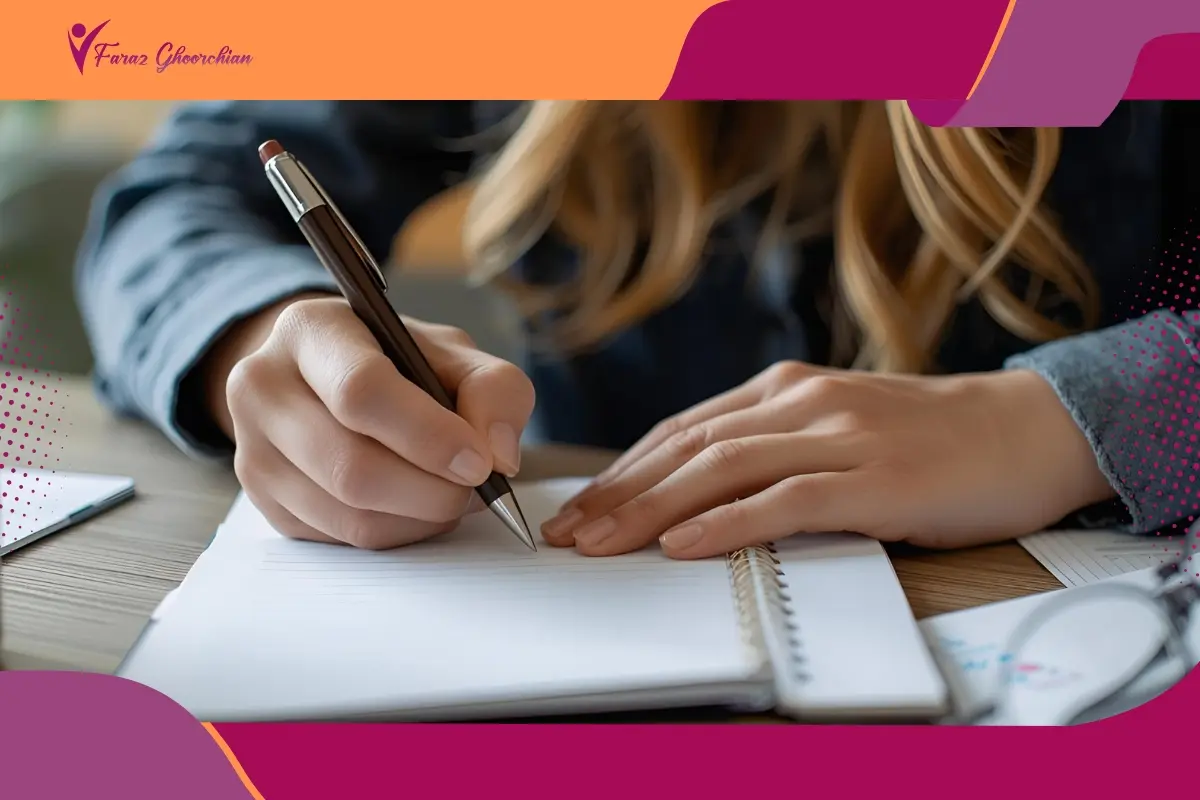
Talking about multitasking skills in theory is one thing, but seeing them in daily routines makes the idea much clearer. Everyone has moments where attention is split. An example of multitasking skills could be as ordinary as stirring a pot of soup while checking a child’s school assignment, or replying to a client’s email during a team call. These little overlaps are what give the term real meaning.
Some places where multitasking skills meaning shows up most naturally include:
- A student who listens carefully to an online lecture while writing down notes.
- A parent who keeps an eye on dinner in the oven while helping with math homework.
- An office worker who manages chat messages while still staying present in a video meeting.
- A nurse who checks on a patient while also updating medical charts.
- A manager who guides a discussion and at the same time handles urgent emails.
These moments explain what is multitasking skills in practice. They also remind us that handling tasks isn’t only about speed. In leadership, for example, doing several things at once often requires awareness of people’s emotions, which links to ideas like what is empathy and sympathy. Strong multitasking skills create balance and make busy days feel more manageable.
Multitasking Ability Meaning vs. Skills
It helps to pause and separate the idea of raw ability from learned habits. When people talk about multitasking skills, they often mix it up with natural talent. The phrase multitasking ability meaning is more about the brain’s flexibility, that built-in capacity to switch gears quickly. Think of someone who can jump from answering a call to fixing a technical issue without losing their train of thought. That is ability at work.
Skills, however, look different. Multitasking skills come from practice, from trial and error, and from learning how to set priorities. A person may have the ability but still find themselves overwhelmed if they never train those habits. Over time, the multitasking skills meaning turns into something practical: knowing how to manage overlapping tasks without sacrificing quality.
There’s also a personality layer. People who have asked what does conscientiousness mean know that being dependable and organized makes it easier to convert raw ability into real skills. In short, natural ability is the spark, but developed multitasking skills are what carry someone through busy days.
Effective Multitasking Skills in Practice
It’s one thing to talk about multitasking skills, but the real value shows up in the small habits that make busy days smoother. People who focus on effective multitasking skills are not trying to do everything at once. Instead, they learn how to switch gears without losing the thread. That is where the real payoff of multitasking skills meaning comes in.
Some examples that feel practical:
- Writing down a quick list before the day begins so tasks can be shuffled without confusion.
- Pairing light activities together, like folding laundry while catching up on a podcast.
- Blocking off a stretch of time for heavy work so smaller jobs can fit around it.
- Training yourself to move between calls, messages, and reports without carrying stress from one to the other.
Anyone wondering how can I improve my multitasking skills can start here. By practicing what is multitasking skills in ordinary moments, people slowly build habits that feel natural. Over time, those routines turn into strong multitasking skills that reduce stress instead of adding to it.
How to Improve Multitasking Skills?
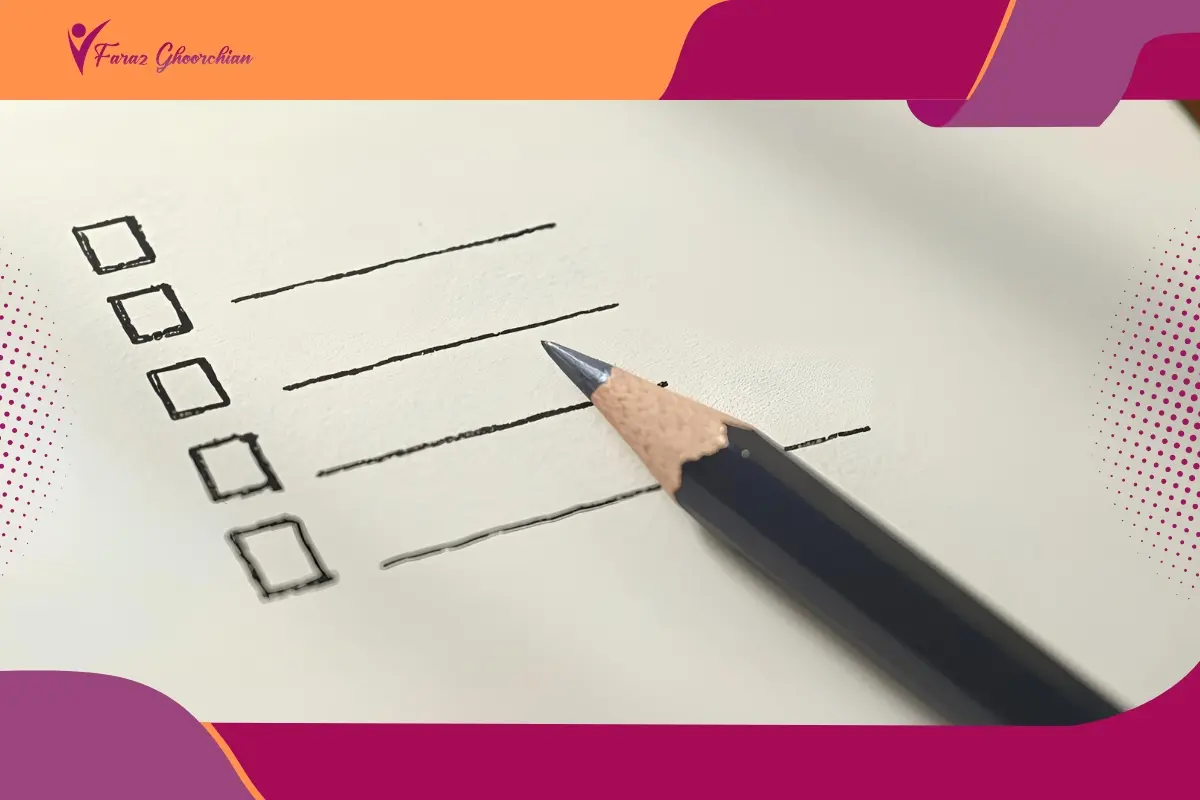
When people ask how to improve multitasking skills, they usually expect a quick trick, but the truth is it works more like building stamina. Multitasking skills get better when small, steady habits are added into daily routines. Someone who understands multitasking skills meaning knows it isn’t about cramming more into a day. It’s about learning how to place attention where it belongs and then shifting it without losing track.
A few practical ways to train effective multitasking skills:
- Write down the top three things to finish before lunch so priorities stay clear.
- Pair easy activities, like sorting files while listening to recorded notes.
- Use short bursts of focus, then switch, instead of trying to stretch attention too thin.
- Keep recovery breaks in between so the brain resets.
For those wondering how to improve your multitasking skills, the best place to begin is with ordinary tasks. When a person practices what is multitasking skills during small moments, those habits slowly turn into stronger multitasking skills that make busy schedules feel more manageable.
How to Develop Multitasking Skills Long Term?
Getting better at multitasking skills is one thing, keeping them sharp over the years is another. Anyone wondering how to develop multitasking skills has to think beyond short tricks. The real multitasking skills meaning shows up when the habits become second nature, the kind you fall back on without thinking.
Some ways people strengthen multitasking skills over the long run:
- Mixing easy and hard tasks in the same day so the brain learns to adjust.
- Taking a moment each night to notice where attention slipped and where it held strong.
- Asking for feedback at work to see how shifting between jobs looks from the outside.
- Adding new challenges, like learning something while handling small routines at home.
People often ask how to improve your multitasking skills, and the truth is confidence plays a big role. That’s why advice on things like How to Be More Confident connects here. Over time, these small, steady efforts grow into dependable multitasking skills that make busy lives feel more manageable.
Challenges and Misconceptions
People often talk about multitasking skills like they are a magic trick, but the reality is less glamorous. The biggest misconception is thinking more tasks always mean more productivity. In truth, the importance of multitasking skills shows up when someone knows which tasks can go together and which ones deserve full focus.
A few struggles people run into with multitasking skills meaning:
- Switching too quickly and forgetting small details.
- Feeling drained because attention is pulled in too many directions.
- Confusing busyness with real progress.
- Believing multitasking works the same for every personality.
It’s common to hear someone ask how can I improve my multitasking skills and hope for a quick fix. But building stronger habits takes patience. Once a person understands what is multitasking skills in daily life, it becomes clear that the goal isn’t to do more at once. It’s to use multitasking skills wisely so time and energy are not wasted.
Conclusion: Building Strong Multitasking Skills
When people talk about multitasking skills, they usually picture someone spinning plates without dropping any. The truth is messier. The importance of multitasking skills is not about looking like a superhero but about keeping life from slipping through the cracks. Sometimes it means answering a call while walking to a meeting, and sometimes it means choosing not to stack one more thing on top.
Anyone curious about multitasking skills meaning will find that improvement comes in small steps. If a person asks how can I improve my multitasking skills, the answer is rarely complicated: practice, patience, and learning what to let go of.
In the end, knowing what is multitasking skills in real life turns them into something useful. Over time, strong multitasking skills bring calm into busy days and make space for both work and personal moments that matter.