Discover the meaning of green in psychology, its impact on emotions, personality, love, and business. Learn how green influences mental health and daily life.
Introduction to Color Psychology Green
When people talk about color psychology green, the first images that come to mind are often trees, fresh grass, or even a sense of quiet renewal after rain. It is not only a shade we see in nature but also one that carries deep emotional weight. In psychology, the question what does the color green mean in psychology? often points to balance and restoration, the same qualities people feel when surrounded by open landscapes.
Researchers often describe color psychology for green as more than decoration on a wall or clothing choice. It tends to steady emotions, spark a feeling of safety, and remind the mind of growth. By looking at the meaning of green color in psychology, it becomes clear why this color is so closely tied to well-being and harmony in daily life.
Meaning of Green Color in Psychology
The meaning of green color in psychology is often easier to understand when you think about how the body reacts to the natural world. After a long day, walking through a park or looking at a hillside covered in trees instantly changes mood. So when someone asks what does the color green mean in psychology? the answer is usually tied to calmness, balance, and the feeling of being restored.
In everyday life, color psychology green is not just theory. It shows up in spaces designed for comfort, from hospital walls to quiet study rooms, because people naturally relax around it. Researchers often explain color psychology for green as a color that resets the mind. It does not push emotions too high or too low but holds them steady, like a deep breath. Looking closely at the meaning of green color in psychology, it becomes clear why many cultures connect this shade with growth, renewal, and long-term well-being.
Psychology Green Color Meaning Personality
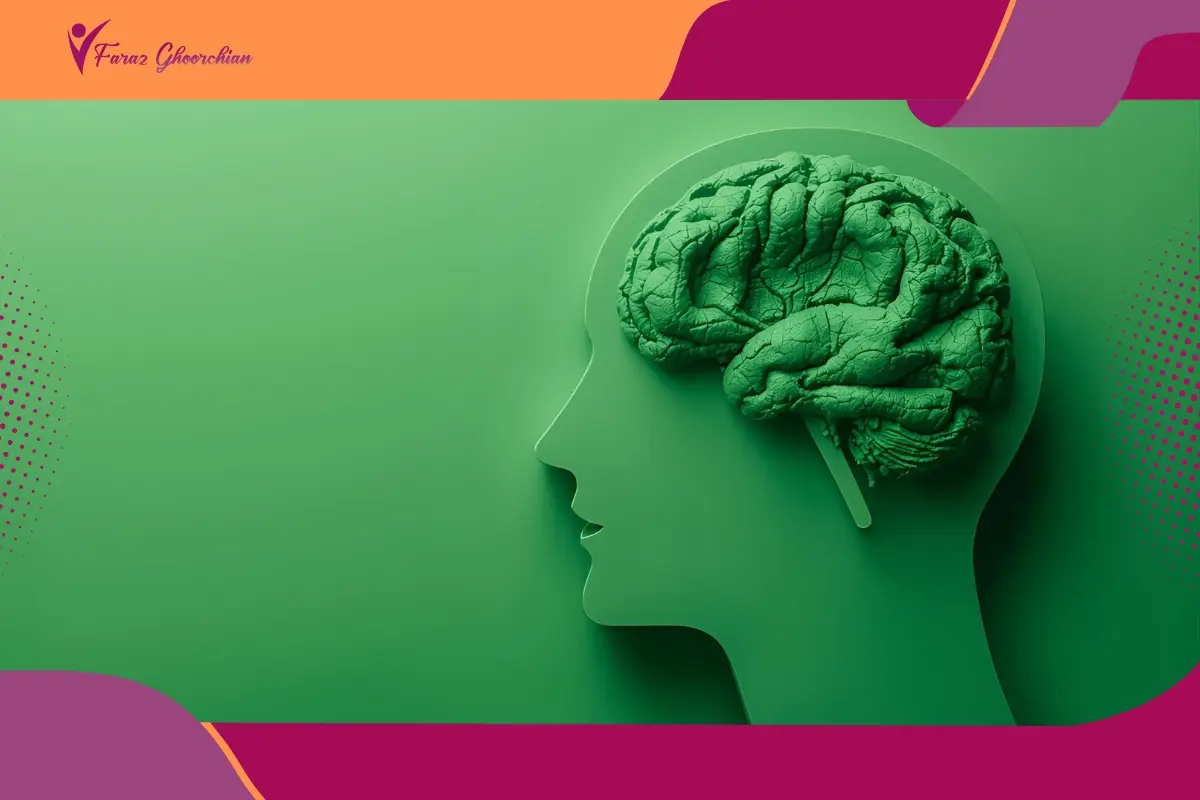
The psychology green color meaning personality is often easiest to notice in people who seem steady, approachable, and genuinely interested in keeping life balanced. Someone who loves this shade usually shows a calm presence, the kind that makes others feel at ease. They tend to care about fairness and often step in as peacemakers when situations get tense.
Looking at green color meaning personality, many of these individuals are loyal and grounded, but they also carry a quiet ambition for growth. They enjoy surroundings that feel natural and uncluttered, and they recharge best in calm spaces rather than chaotic ones.
In research on color psychology green, these preferences are not seen as random. They point toward deeper values like resilience, patience, and generosity. The green color personality traits show a person who seeks renewal and prefers cooperation over conflict. In that sense, the psychology green color meaning personality reflects not just a favorite shade but a way of moving through life with steadiness and care.
Which Emotion Is Associated with Green?
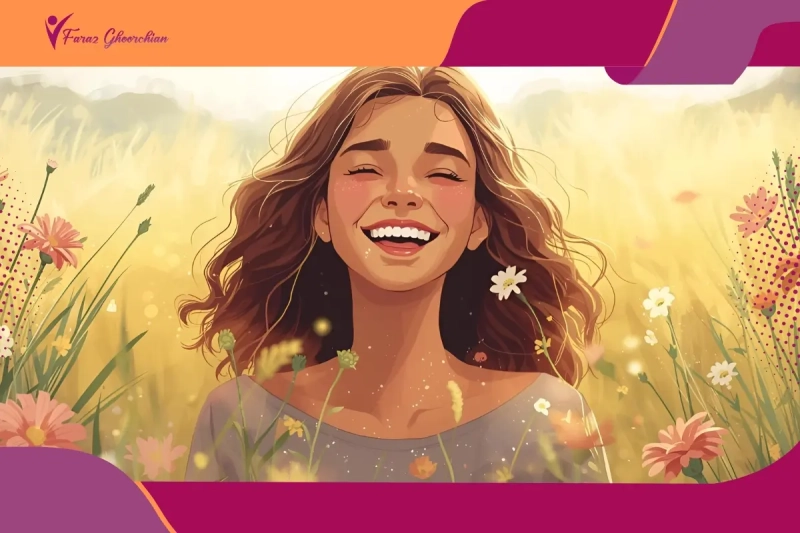
When people ask which emotion is associated with green, the answer is not a single feeling but a cluster of them that lean toward calmness and renewal. In color psychology green, this shade is often tied to the same comfort we feel in gardens, forests, or even small plants on a desk. It does not shout for attention but quietly steadies the mood.
Psychologists often note that what does the color green mean in psychology? depends on context, yet a few emotions come up repeatedly:
- A gentle calm that lowers tension after stressful moments
- Hope and renewal, the sense of a fresh start
- Trust, which makes people feel secure in relationships or spaces
- Balance, where emotions feel neither too heavy nor too light
Some designers even combine it with color psychology blue to create rooms that feel restorative. Understanding which emotion is associated with green shows why it continues to be used wherever peace and harmony are needed.
What Is the Psychology Behind People Who Like Green?
If you ask what is the psychology behind people who like green, the answer rarely comes from a textbook. It’s easier to notice it in daily life. People who feel drawn to this color often look for peace more than excitement. They enjoy surroundings that are calm and steady, like a quiet park or a room with soft natural tones. In color psychology green, that pull toward balance is seen as a reflection of personality itself.
Those who love this shade often share certain patterns:
- They lean toward harmony and dislike tension in relationships
- Patience comes naturally, and they let things unfold without forcing them
- Loyalty shows up strongly, whether in friendships or long-term commitments
- Being in nature feels less like a hobby and more like a need
These green color personality traits reveal a deeper layer of the psychology green color meaning personality. Choosing this color is not only about taste. It reflects an inner search for renewal, steadiness, and a life that feels grounded.
What Color Goes Green? Exploring Color Theory
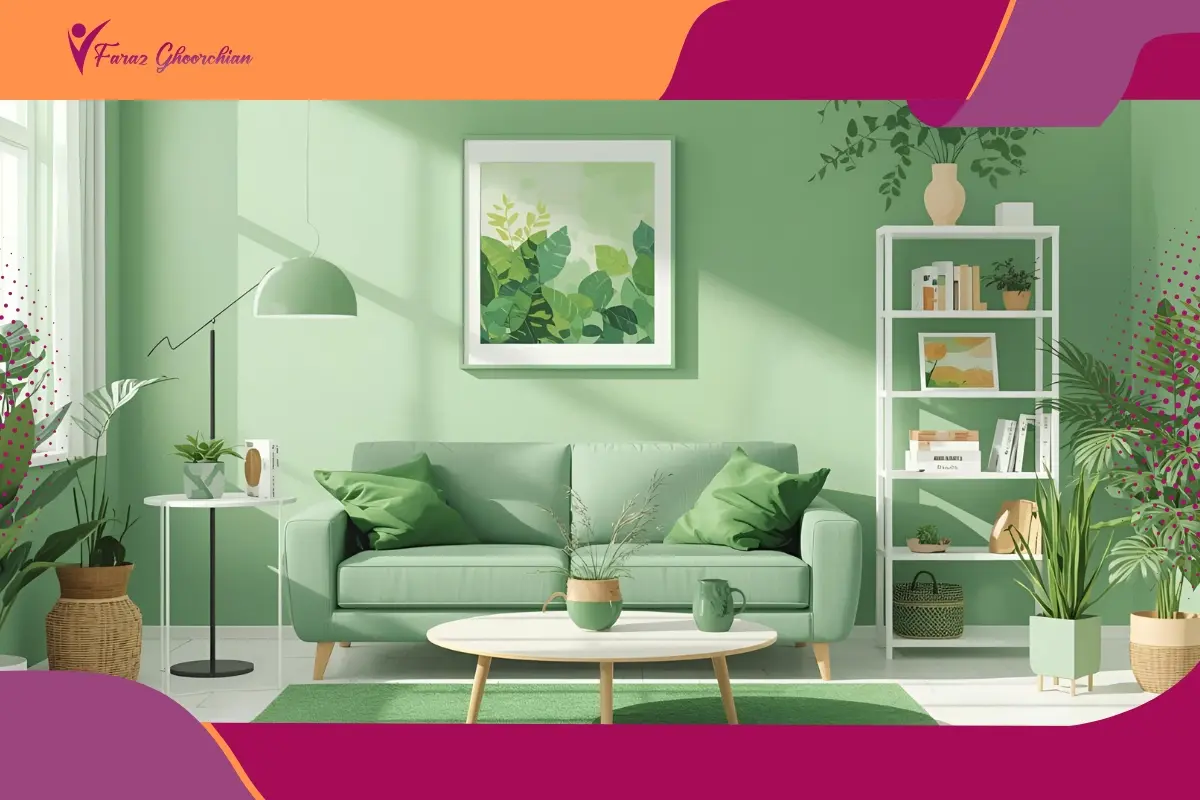
When people wonder what color goes green, the simplest place to look is outside. Grass against the sky shows how naturally it pairs with blue, and the bark of a tree proves how easily it works with browns. These combinations feel instinctive because we see them every day. In design, though, the answer is a little broader. According to what is the color theory for green, this shade can sit beside yellow for warmth or even red for contrast, depending on the effect someone wants to create.
In color psychology green, the mix matters as much as the color itself. A soft green with gray may encourage focus, while pairing it with creamy neutrals creates calm. Brighter combinations, like green with gold, can feel more energetic and optimistic. Designers often return to color psychology for green because it adapts so easily. Asking what color goes green is less about a fixed rule and more about understanding balance, mood, and the feelings each pairing can bring out.
Green Color Psychology in Business
When you look at green color psychology in business, it’s easy to see why so many companies lean on this shade. Banks often use it to suggest security, while health brands turn to it because people already connect green with nature and renewal. In color psychology green, this link to trust and balance makes customers feel they are making safer choices.
Marketers have long noticed how powerful it can be. A shop that uses green in its walls or displays may come across as more approachable. Food packaging with soft green tones hints at freshness, while darker greens suggest tradition or financial strength. These impressions work quietly but effectively.
Designers who study color psychology for green and what is the color theory for green often point out how it pairs with white for clarity or gold for prestige. Simple Color Psychology Tips like this show why the color has become so common in branding. Used well, green color psychology in business is not just decoration but a way to build trust and long-term loyalty.
Green Color Meaning in Love and Spirituality
Talking about the green color meaning in love often brings to mind the way relationships grow much like plants do. They need patience, care, and time. People who feel drawn to this shade usually prefer bonds that are steady and trustworthy. Within color psychology green, love is seen less as sudden passion and more as something that deepens slowly, like roots finding their ground.
When it comes to spirit, many ask what does the color green mean spiritually. Across cultures, it often points to healing, forgiveness, and the heart itself. It’s not unusual to find green in meditation rooms or sacred gardens, since the shade creates a quiet invitation to breathe and let go.
Writers exploring color psychology for green suggest that its energy reconnects people with both inner peace and outer balance. Understanding what does the color green mean spiritually can also guide someone toward a gentler way of living. In love, embracing these ideas reflects how to live a romantic life with more harmony, trust, and openness.
Green Color and Mental Health
Anyone who has taken a slow walk through a park knows the quiet effect of green. The green color and mental health connection is not just a theory in psychology books, it is something people notice in daily life. Sitting near trees or even keeping a small plant on a desk often softens stress. In color psychology green, this sense of balance is seen as a reset for the nervous system.
Researchers explain that the meaning of green color in psychology can be measured in lowered anxiety, better focus, and calmer breathing patterns. That is why schools, hospitals, and therapy rooms often weave this shade into their spaces.
Some of the benefits people often report include:
- Tension easing after time in nature
- Sharper focus when studying or working
- A steadier emotional state in stressful periods
- A general feeling of renewal and hope
Guides on How to Be Less Stressed often suggest more time outdoors for a reason. Within color psychology for green, nature offers one of the simplest and most reliable ways to restore balance.
Conclusion: Why Green Matters in Emotional Relationship Literacy
When we step back, it becomes clear why color psychology green carries so much weight. It is the shade people turn to when they need calm or when they want to show trust. Anyone who has asked what does the color green mean in psychology usually finds the answer in its steadying effect on the heart and mind. The meaning of green color in psychology is less about theory and more about what it teaches us in daily life: patience, balance, and growth.
Writers looking at color psychology for green often connect it with the quiet skills that hold relationships together. In the end, green reminds us that true Emotional relationship literacy is about steadiness, compassion, and the kind of care that makes bonds last.